Adam Lupton
Too Sure of the Sun
Die Tankstelle
1 May – 14 June 2026
1 May – 14 June 2026
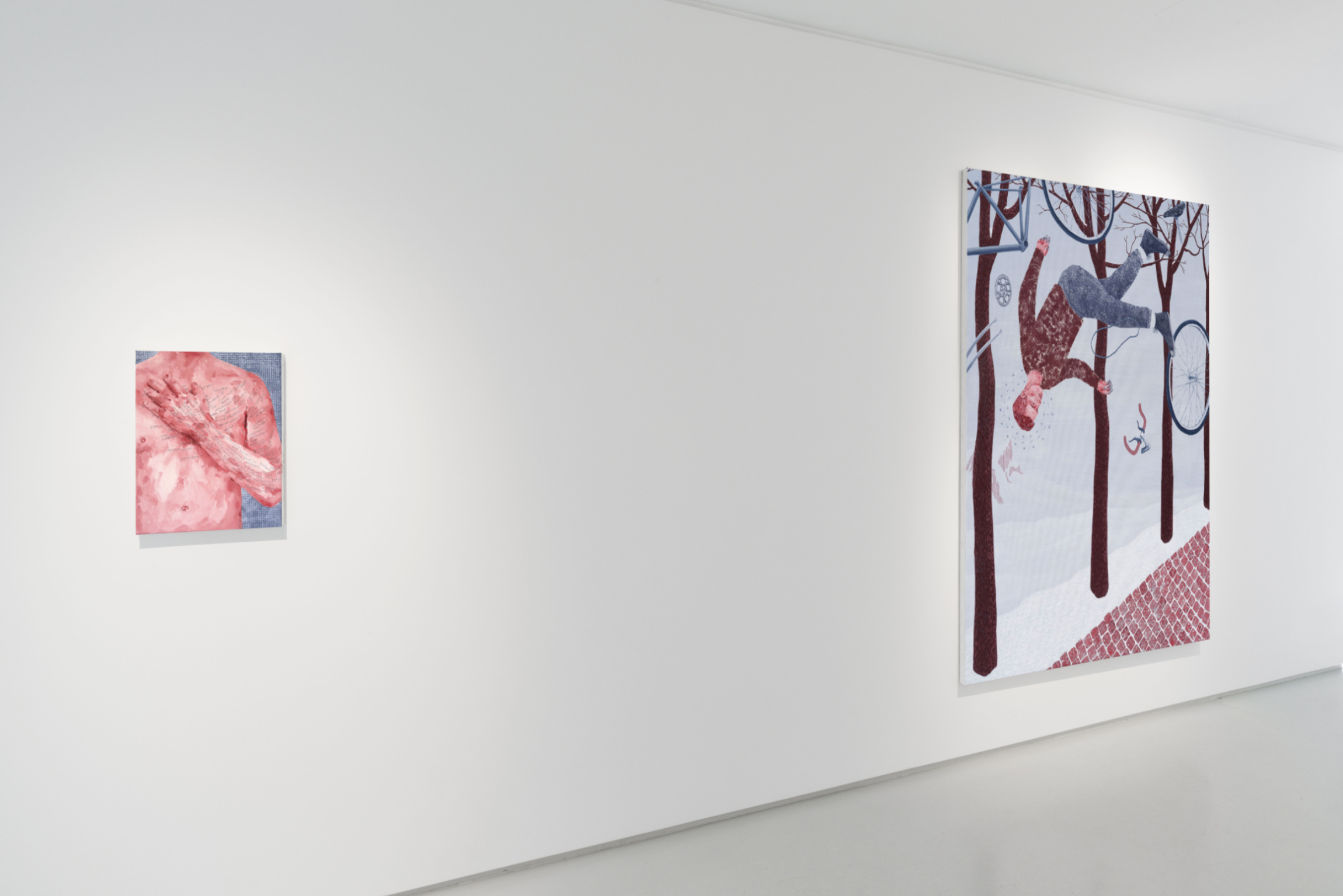
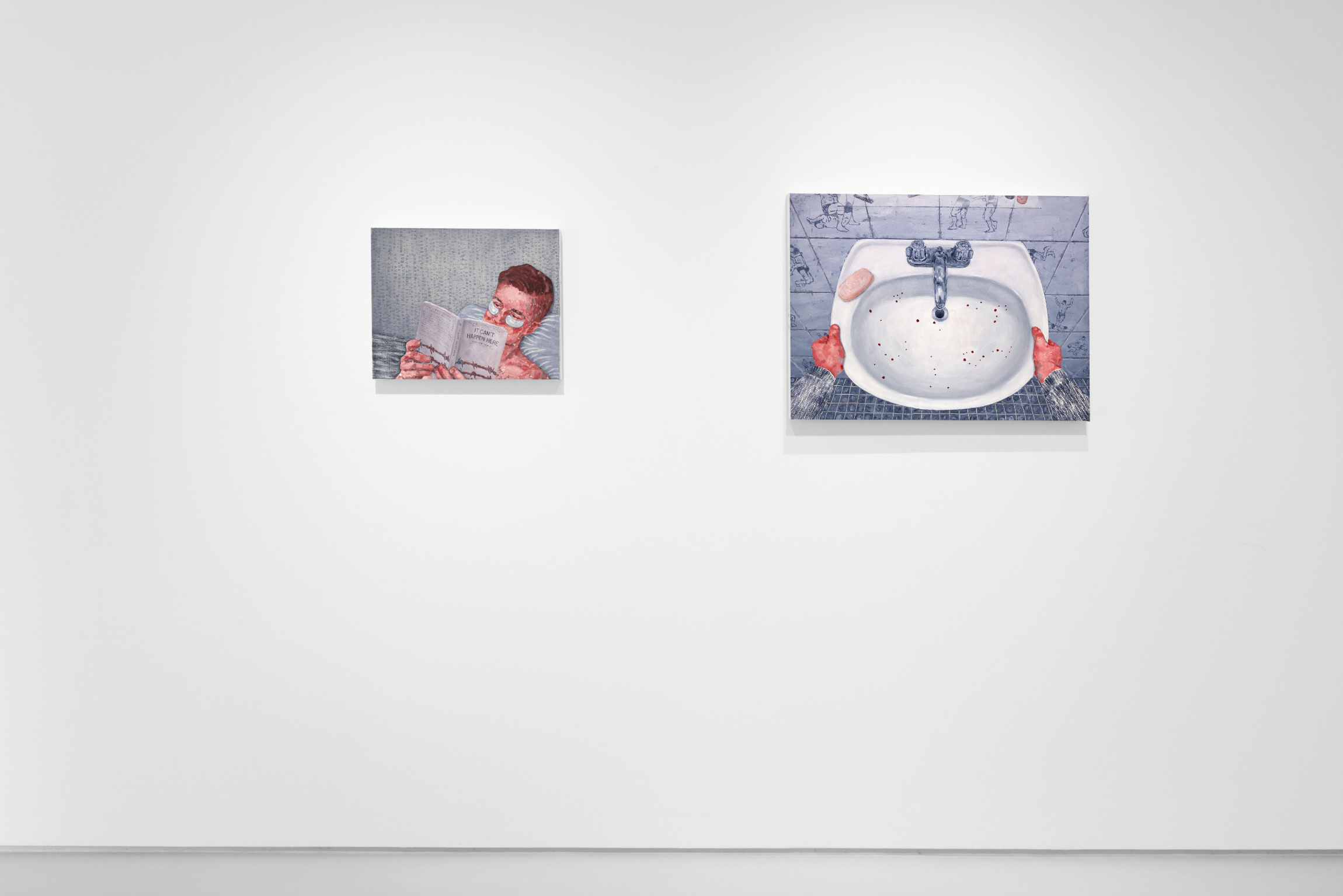
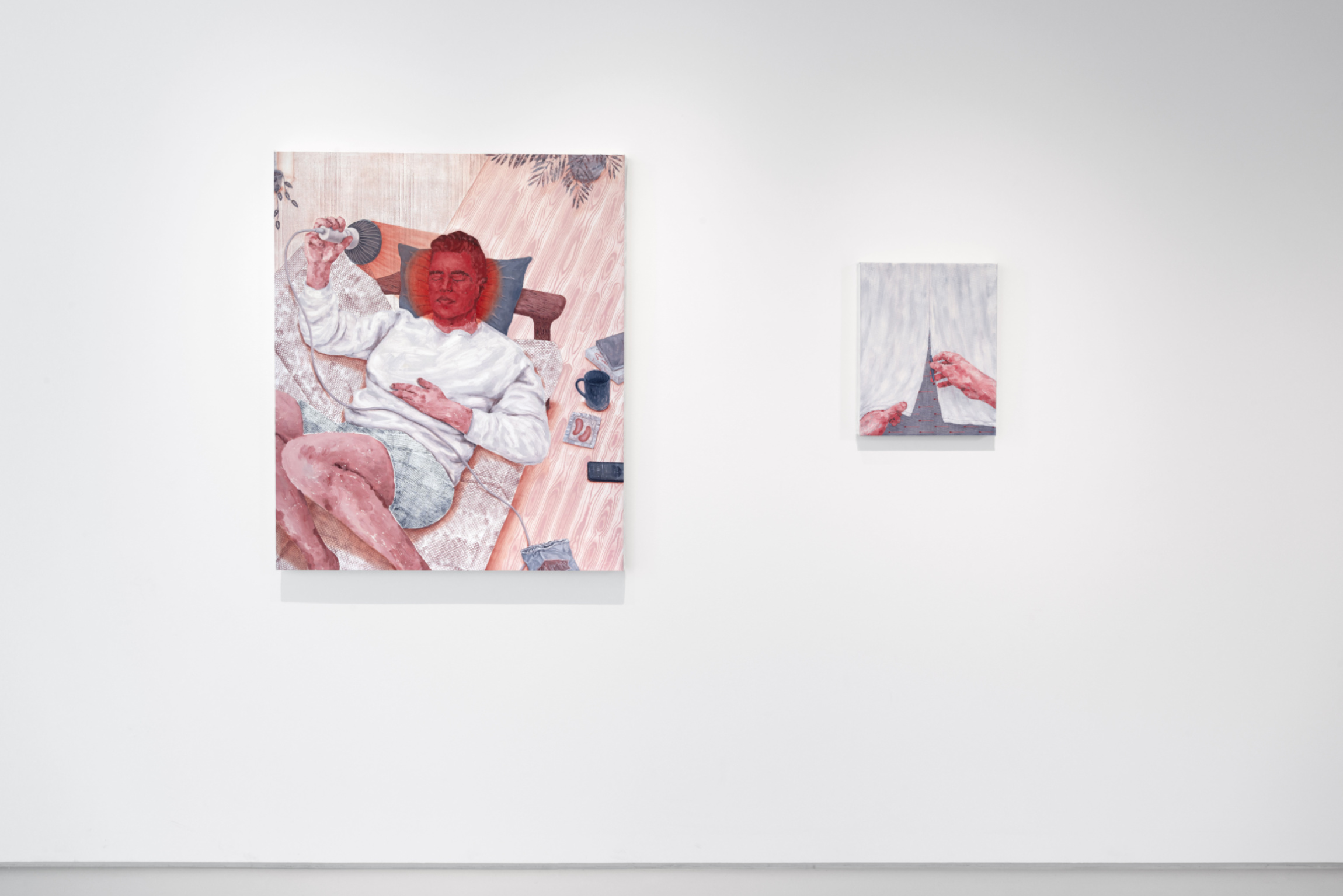
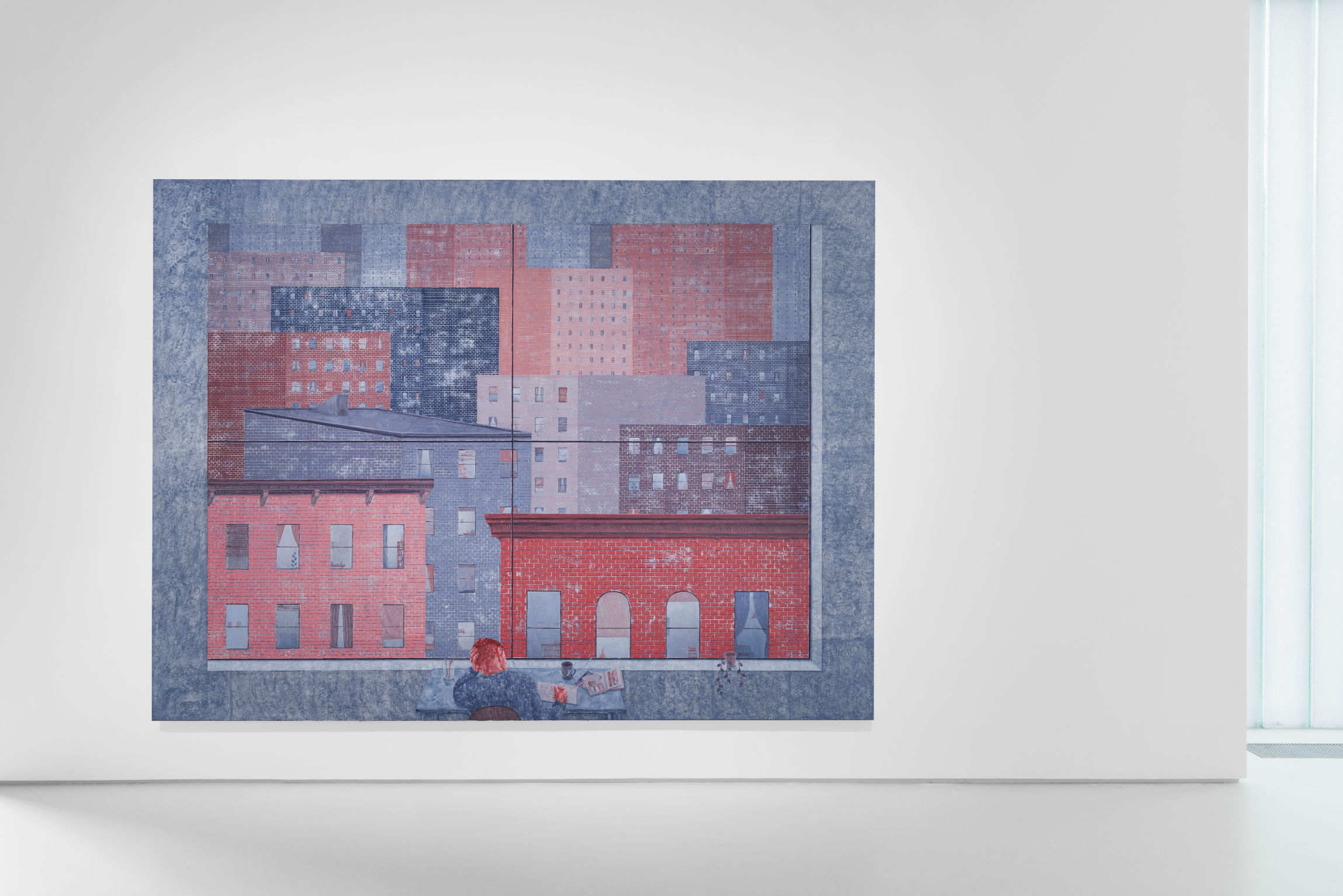


Works
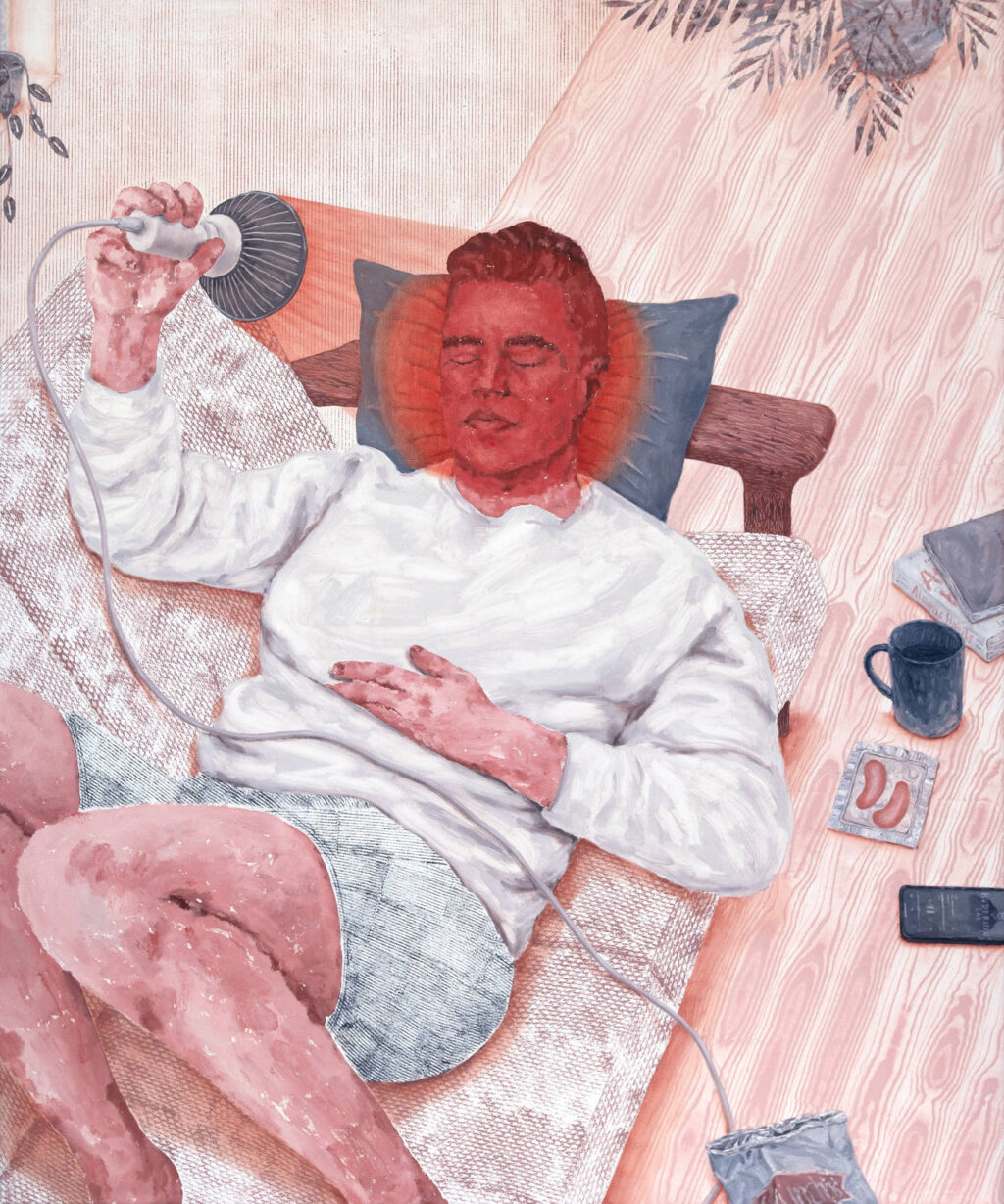
Betterment
2026
Oil on canvas
120 × 100 cm
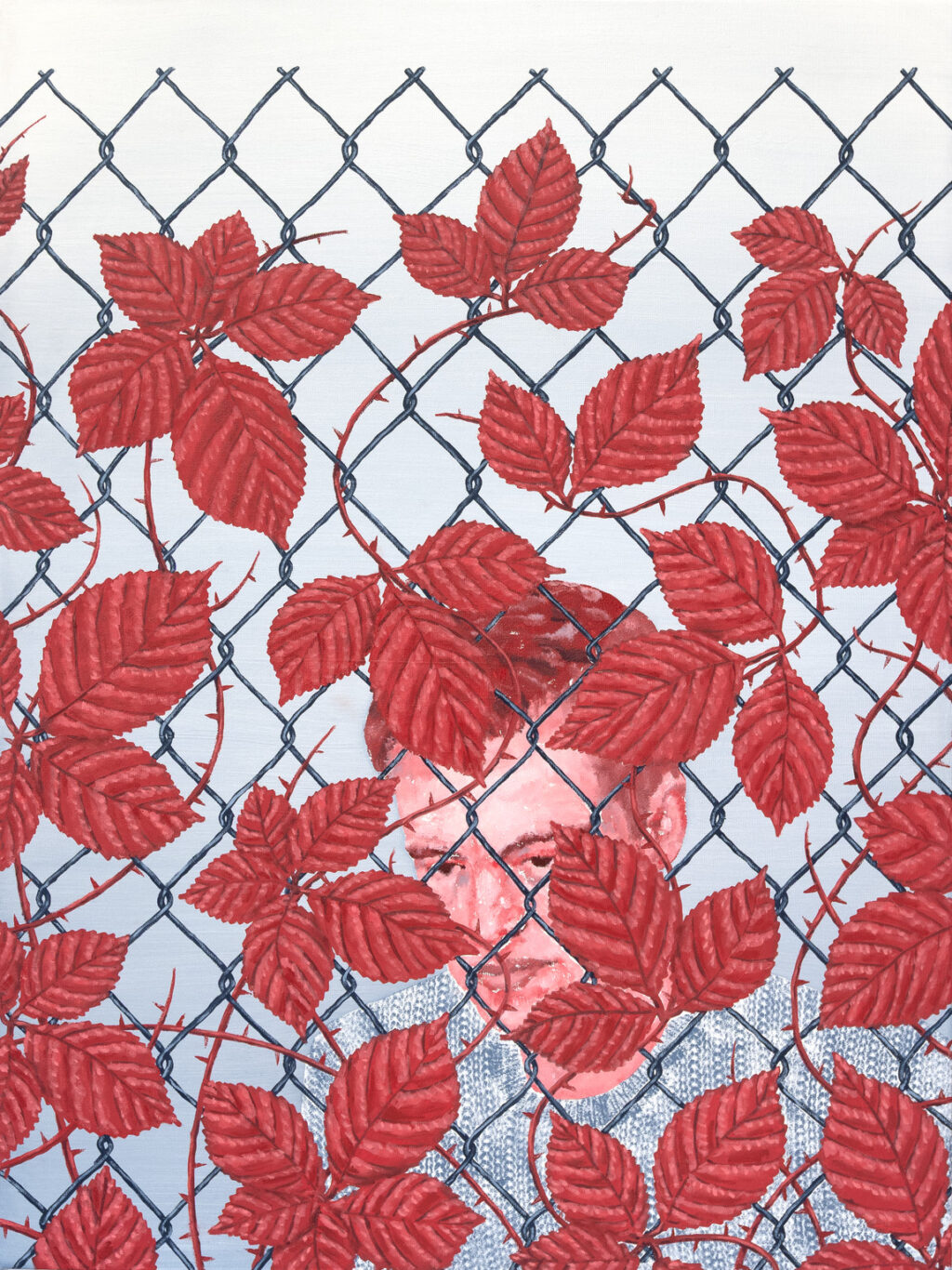
You’ll End Up Where You Were
2026
Oil on canvas
80 × 60 cm
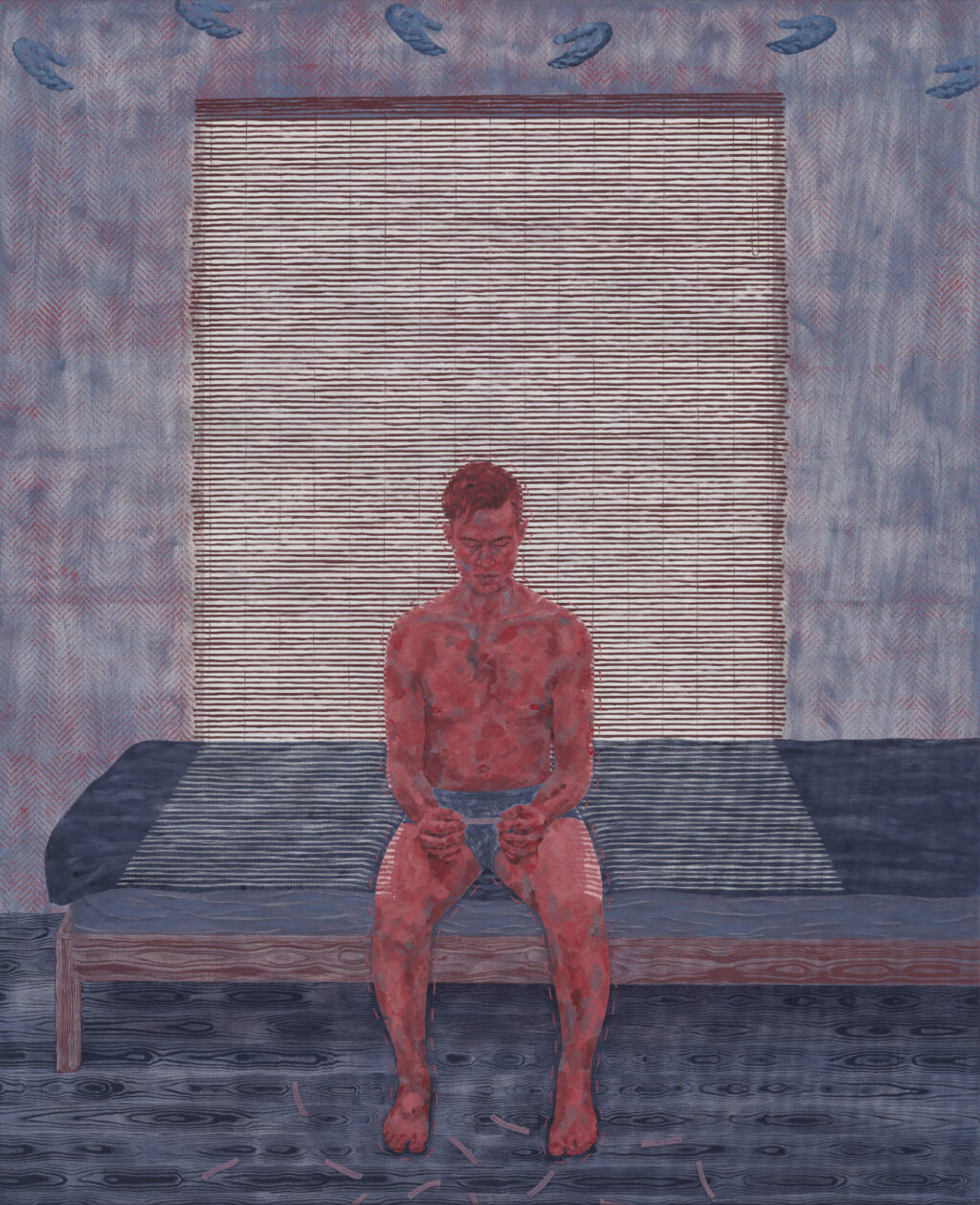
The Space Between Myself and Myself
2026
Oil on canvas
220 × 180 cm
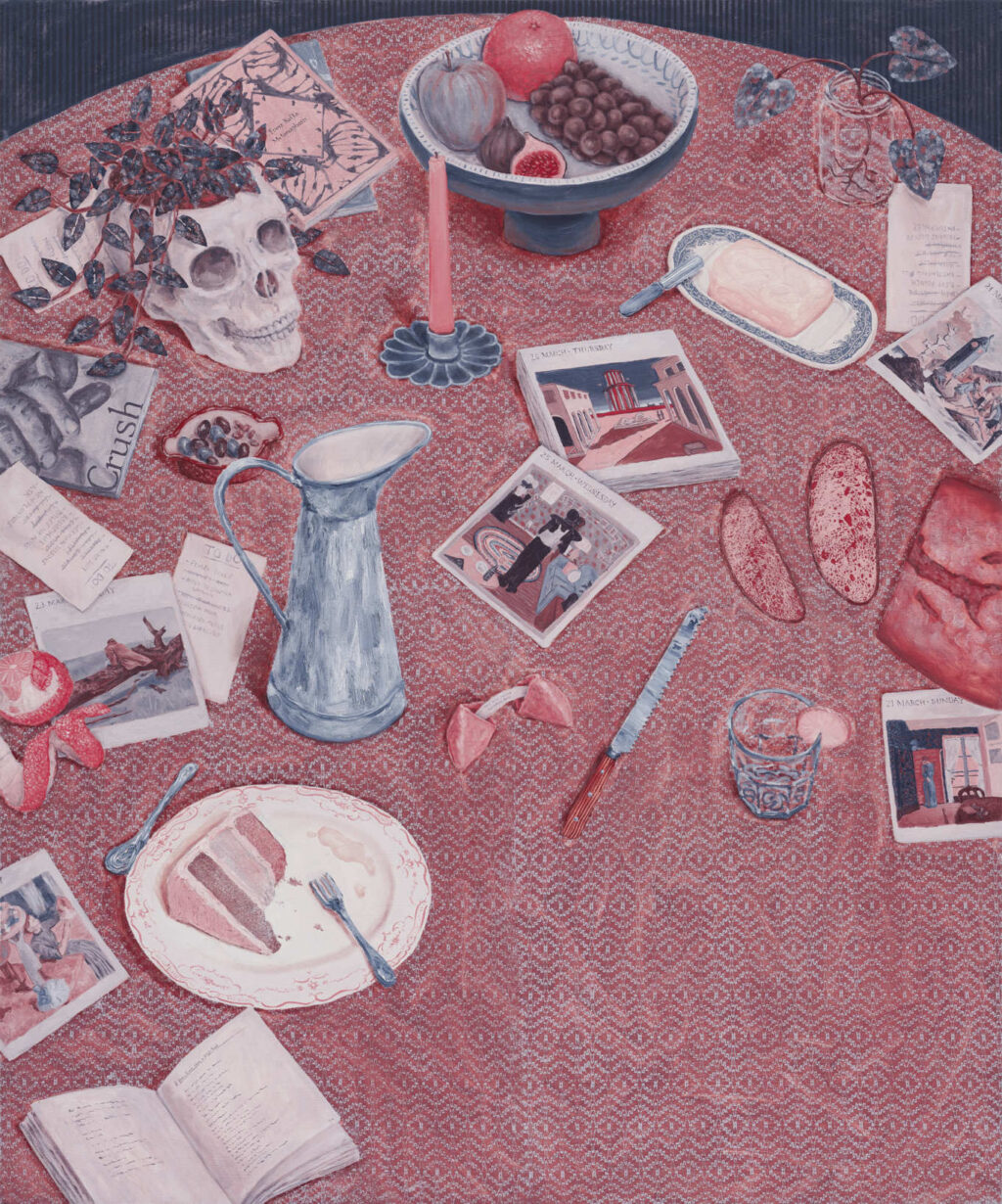
The Song Is Over
2026
Oil on canvas
120 × 100 cm
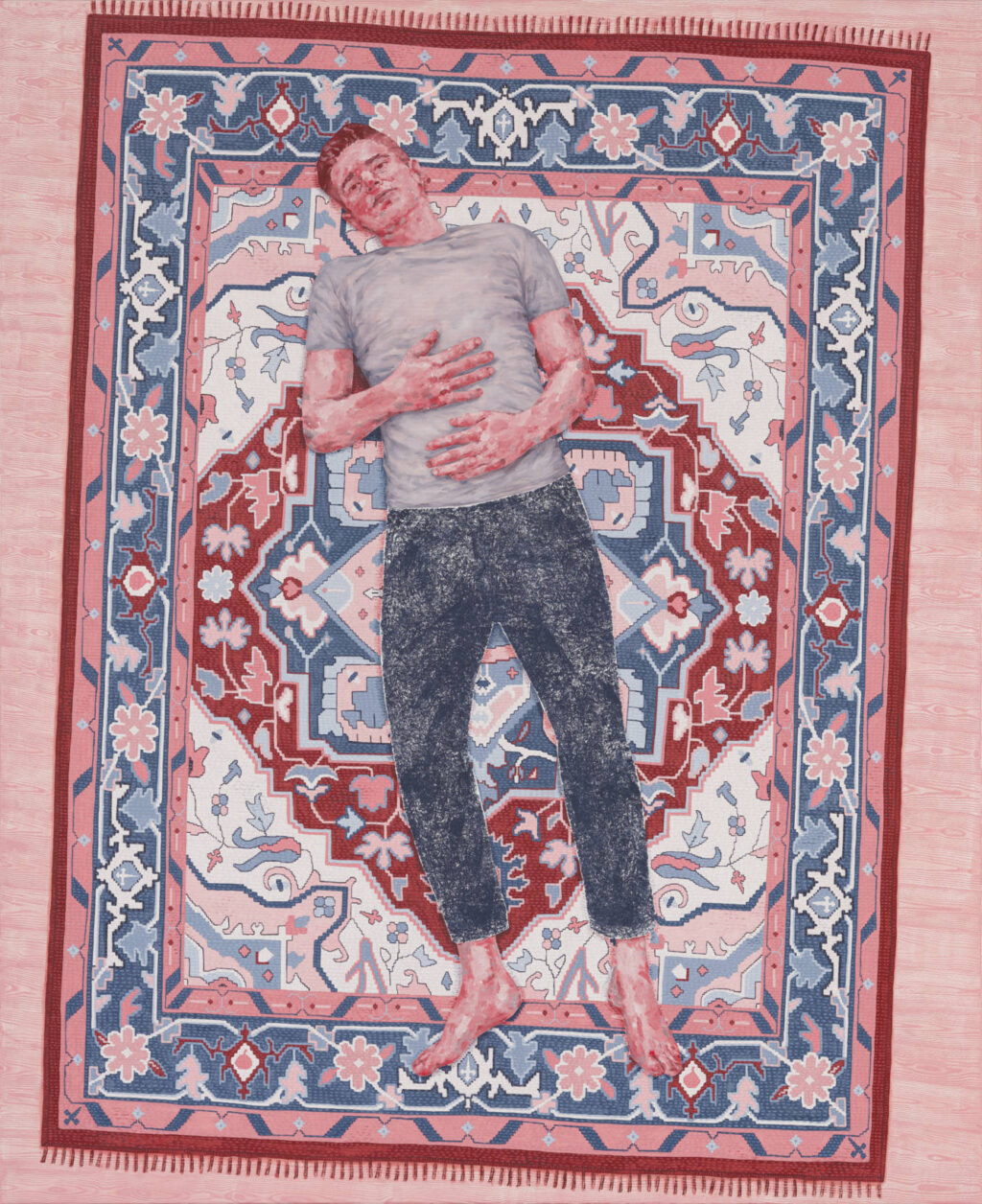
Atlas
2025
Oil on canvas
220 × 180 cm
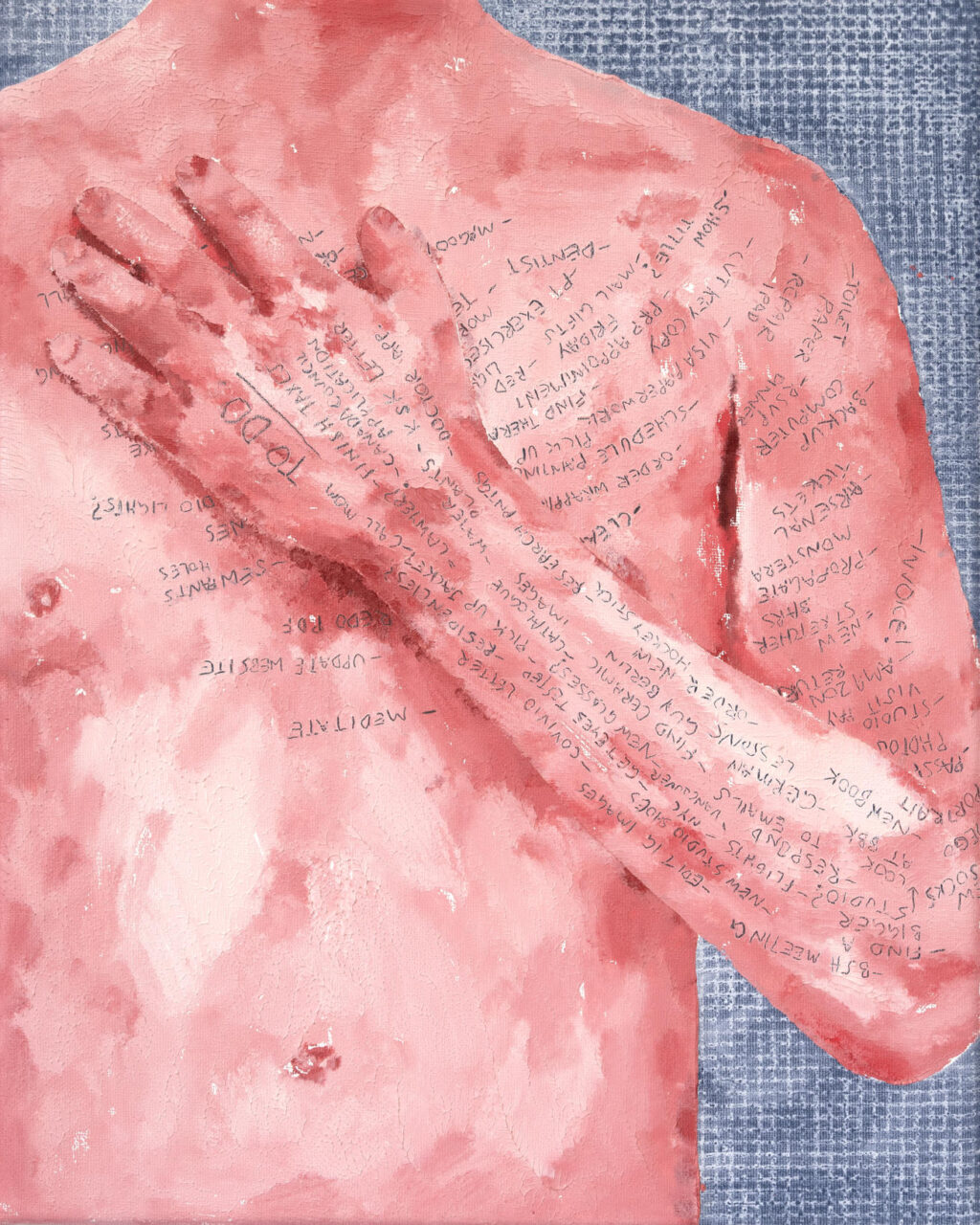
Order of Operations
2025
Oil on canvas
50 × 40 cm
 Show more works
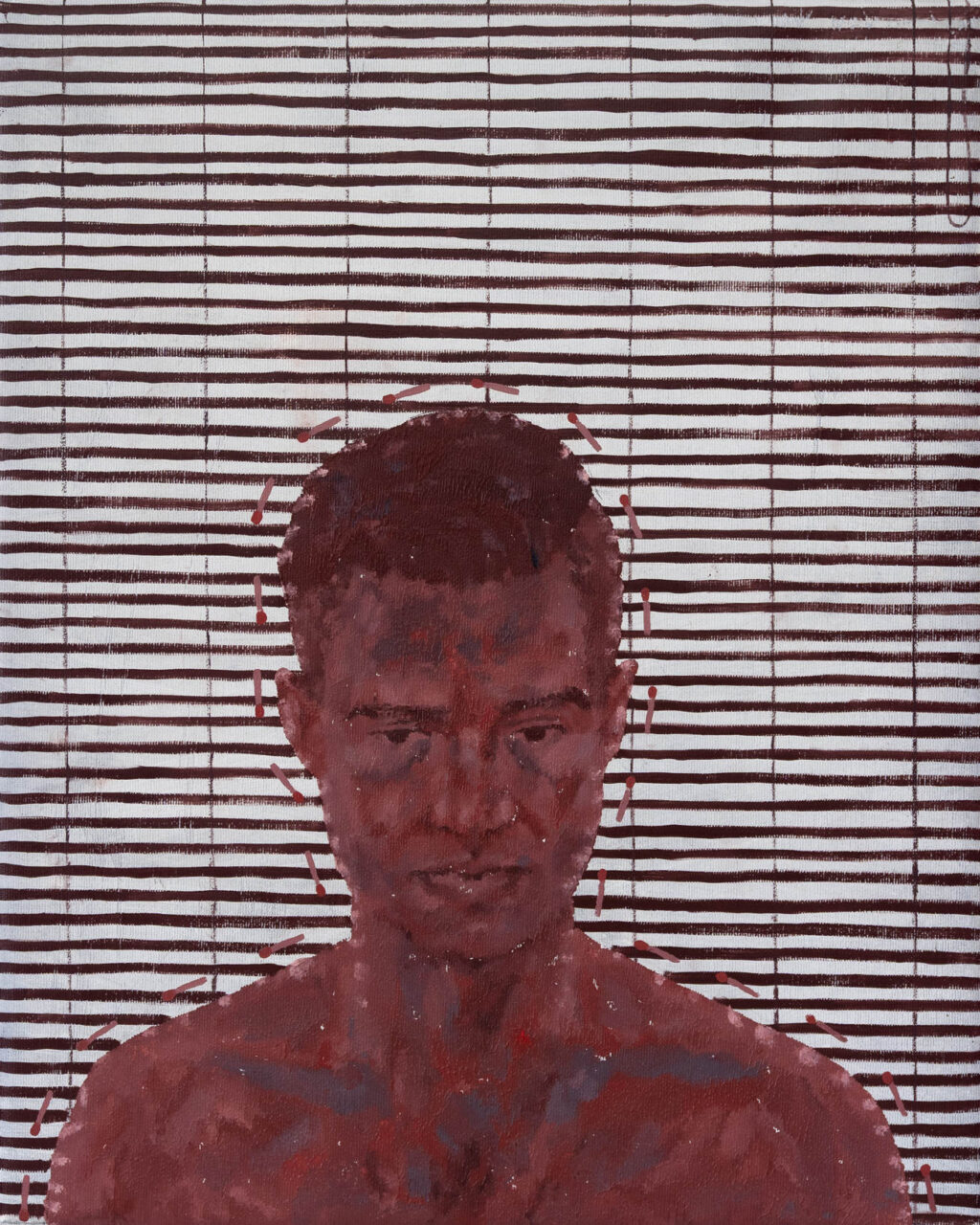
Blind Spot
2025
Oil on canvas
50 × 40 cm
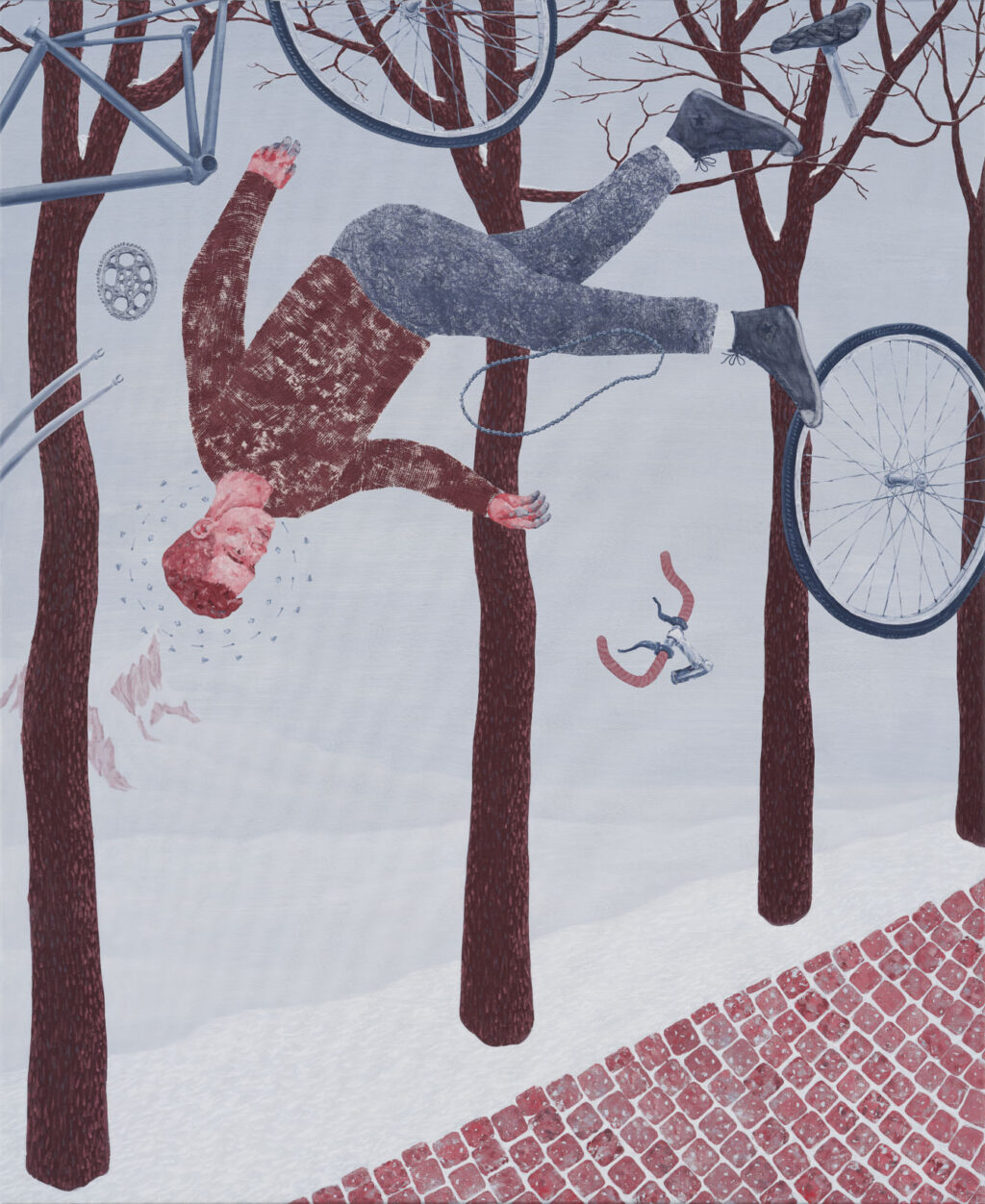
Gravity Rides Everything
2026
Oil on canvas
220 × 180 cm
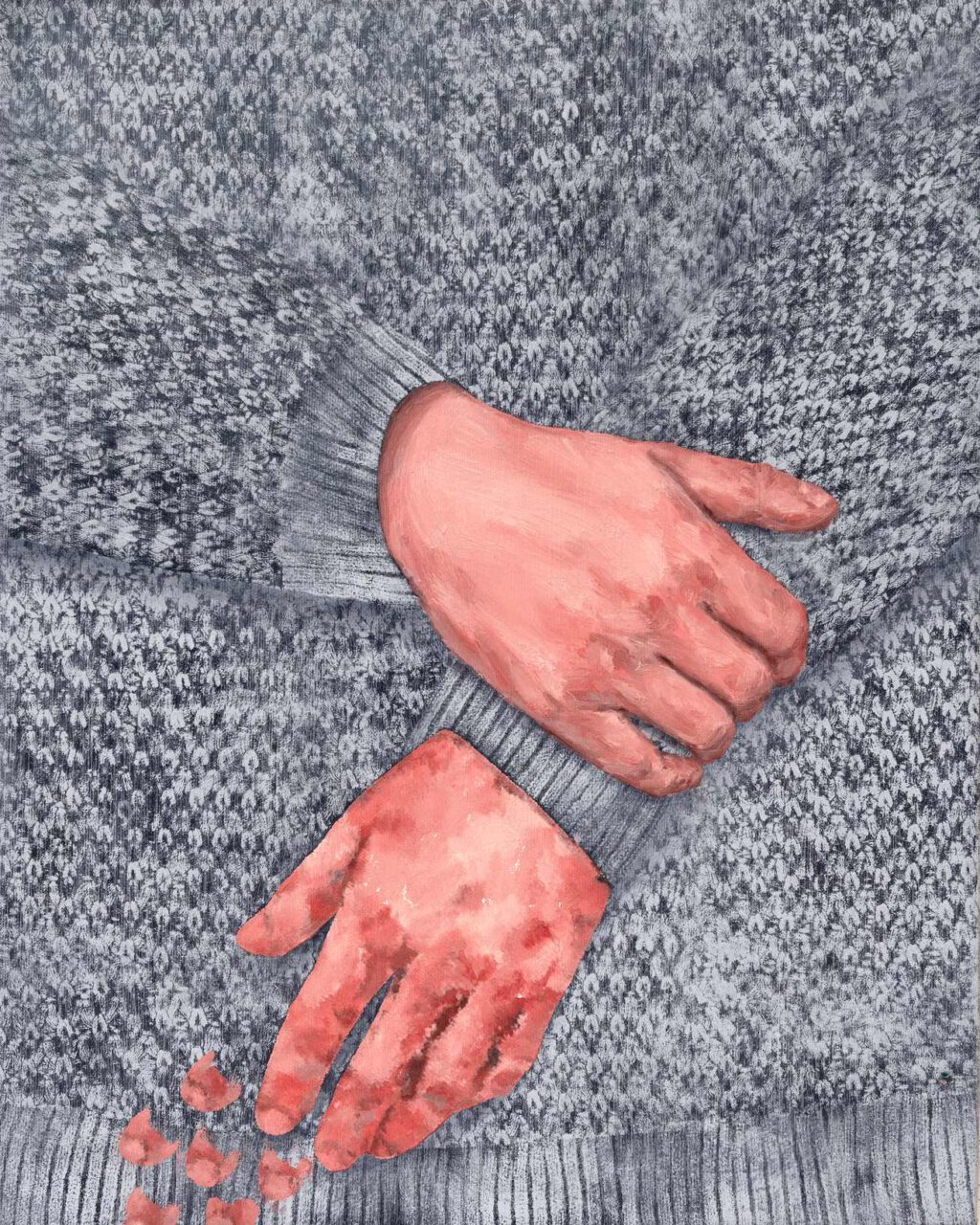
The Length of Tomorrow
2026
Oil on canvas
50 × 40 cm
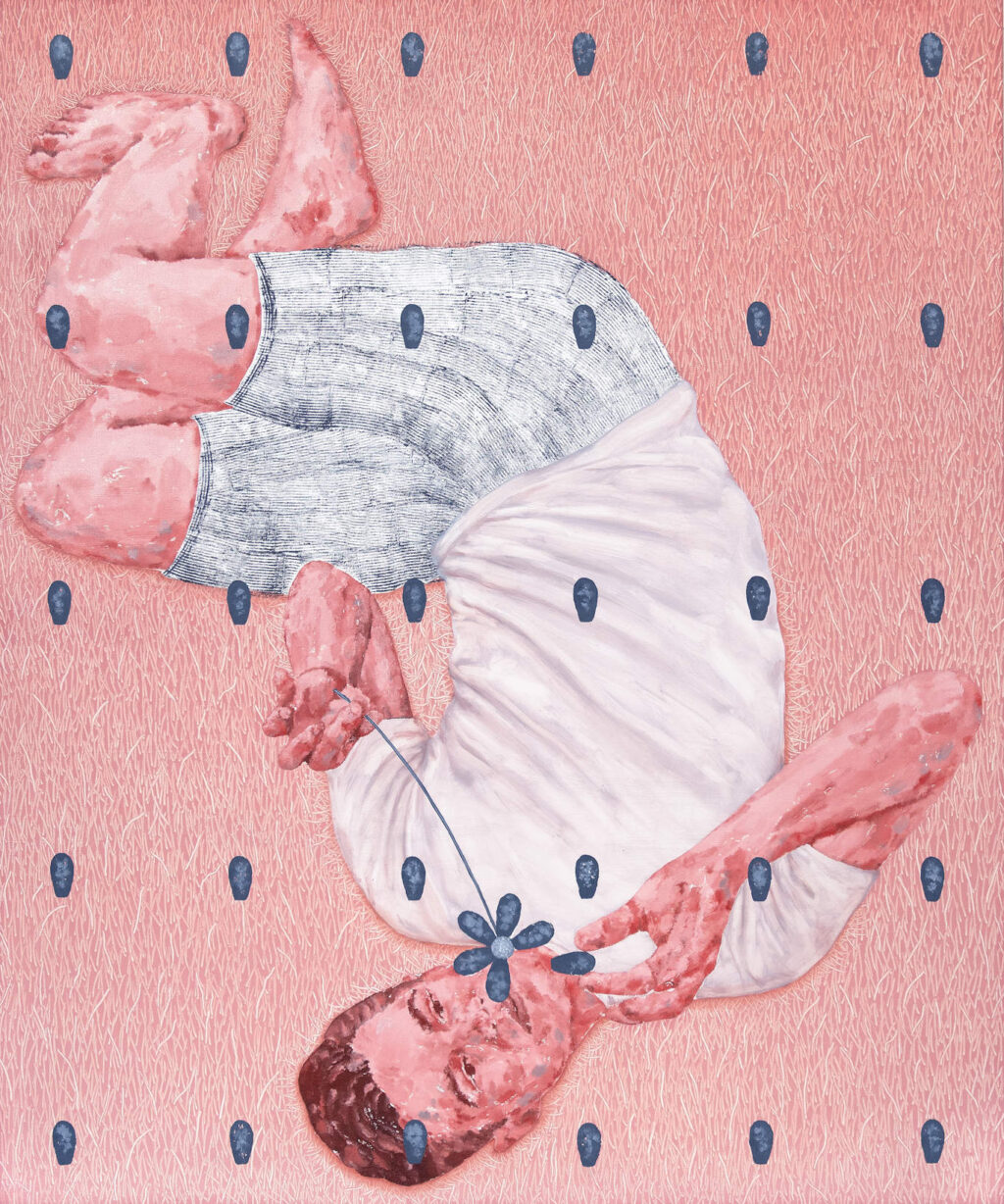
Conditional Equation
2026
Oil on canvas
120 × 100 cm
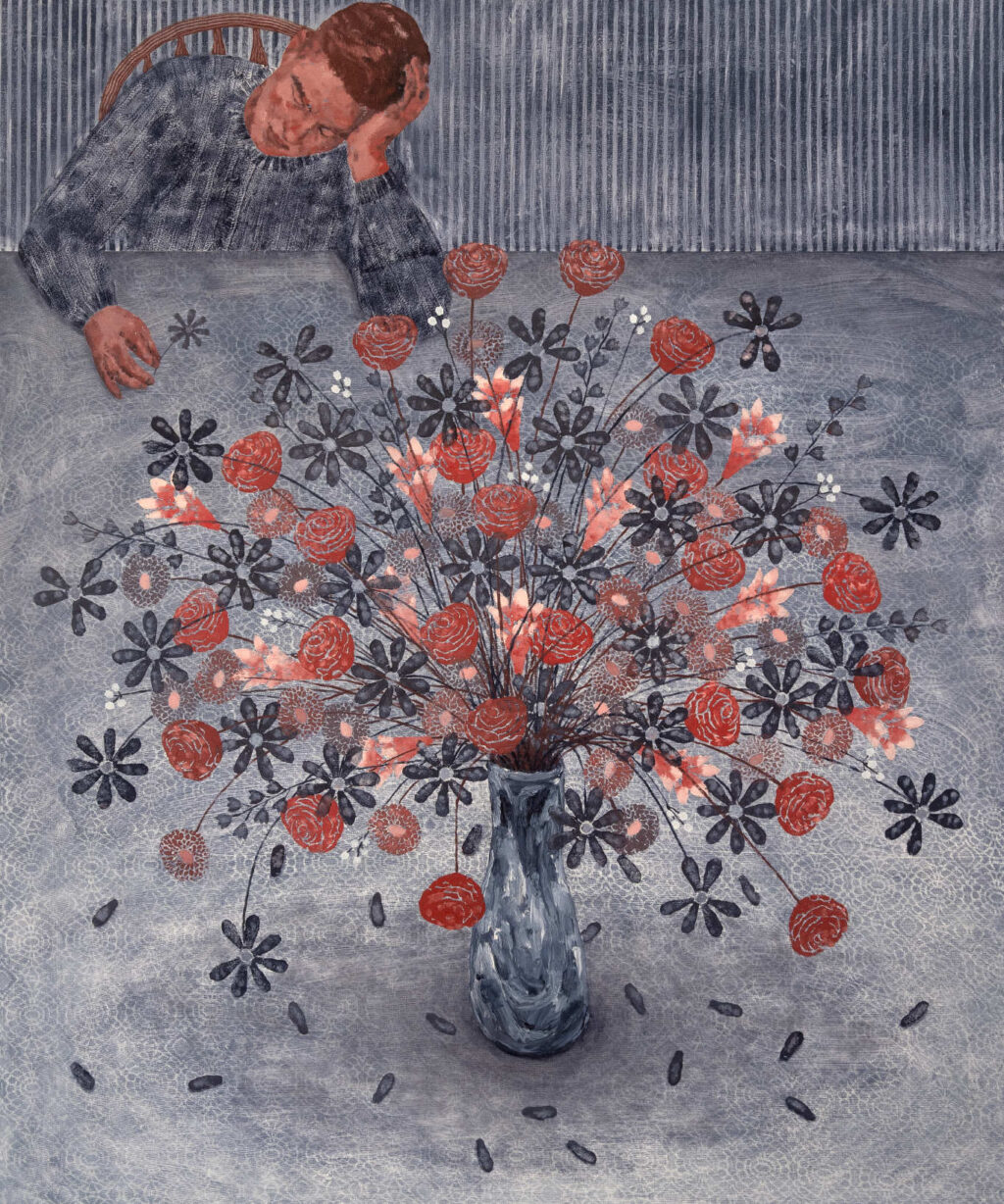
Roses Are Red
2025
Oil on canvas
120 × 100 cm
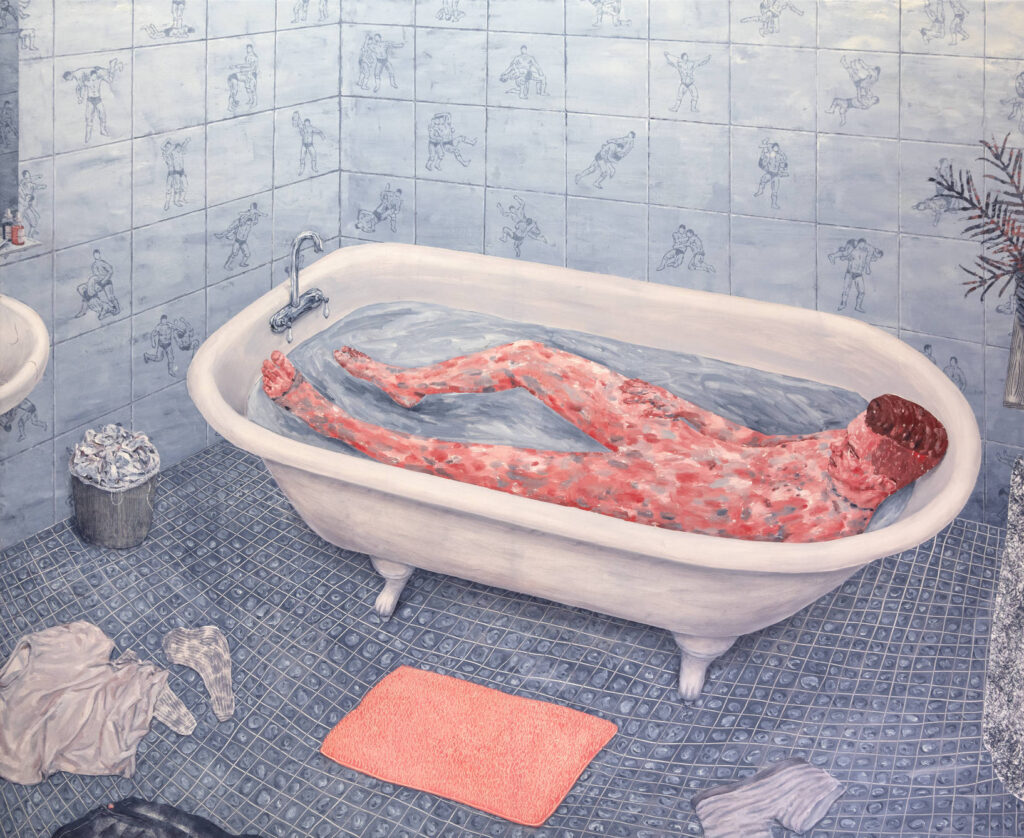
Unmoor
2025
Oil on canvas
180 × 220 cm
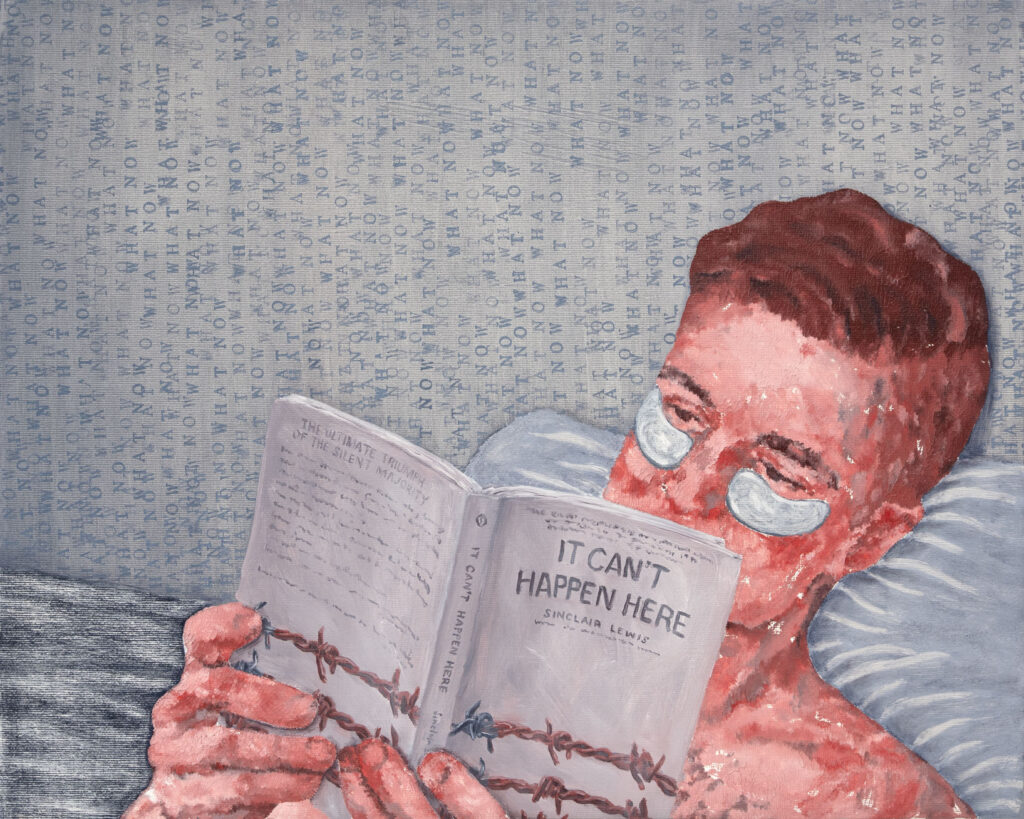
What Now/Now What
2026
Oil on canvas
40 × 50 cm
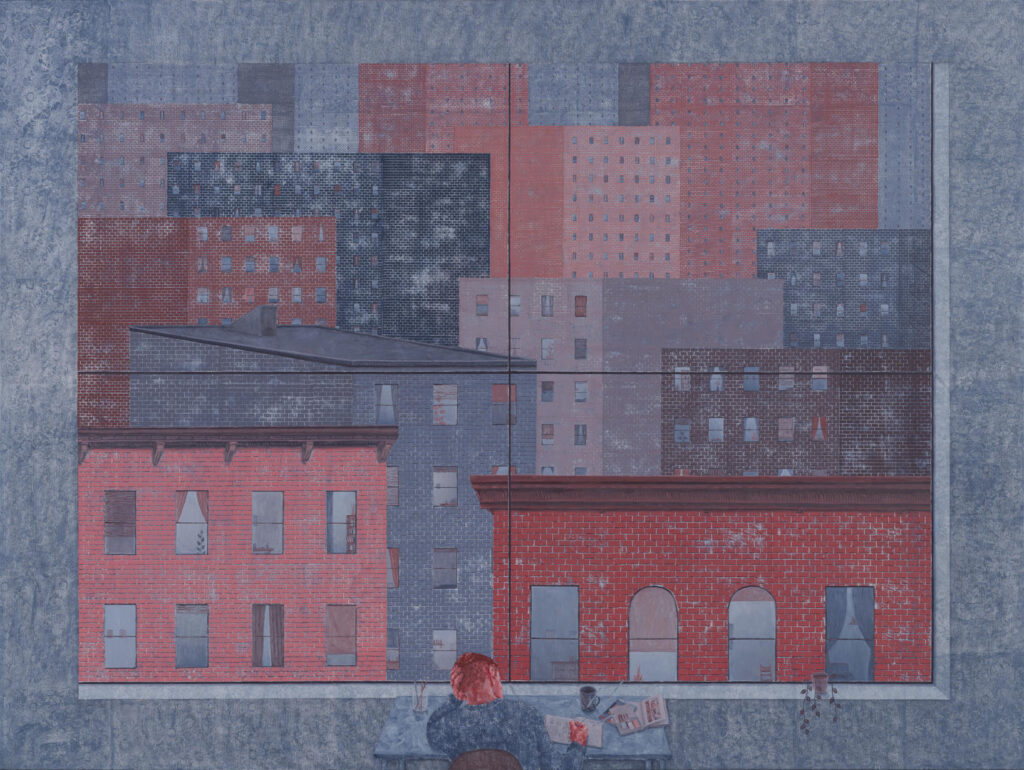
The Past Is No Place to Rest Your Eyes
2026
Oil on canvas
240 × 320 cm
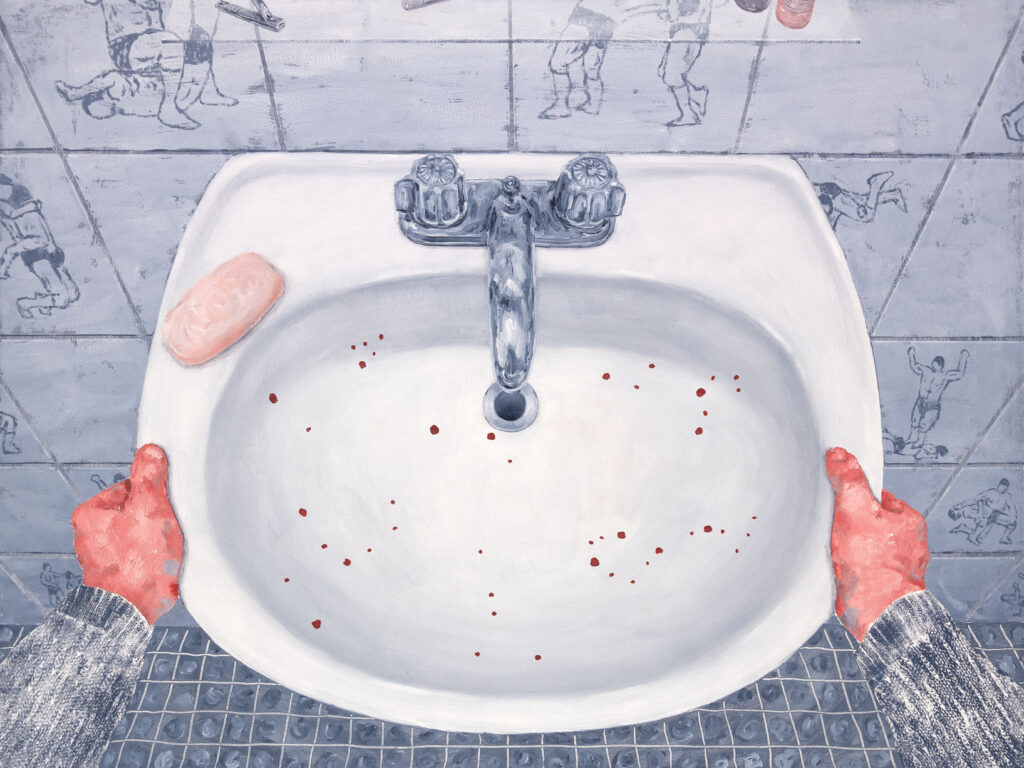
Horoscope (You‘re Gonna Have a Shit Day)
2026
Oil on canvas
60 × 80 cm
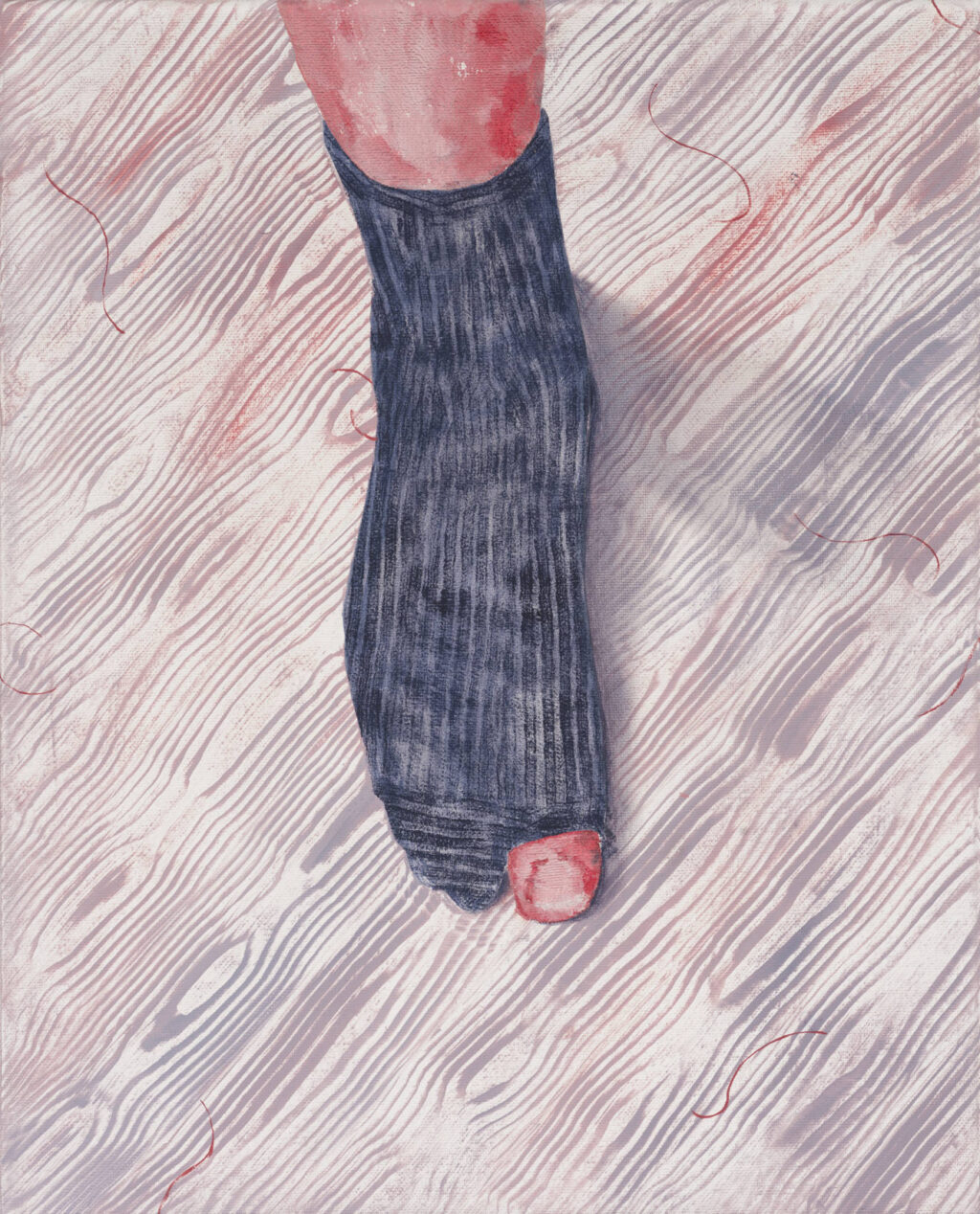
Sign of the Times
2025
Oil on canvas
50 × 40 cm
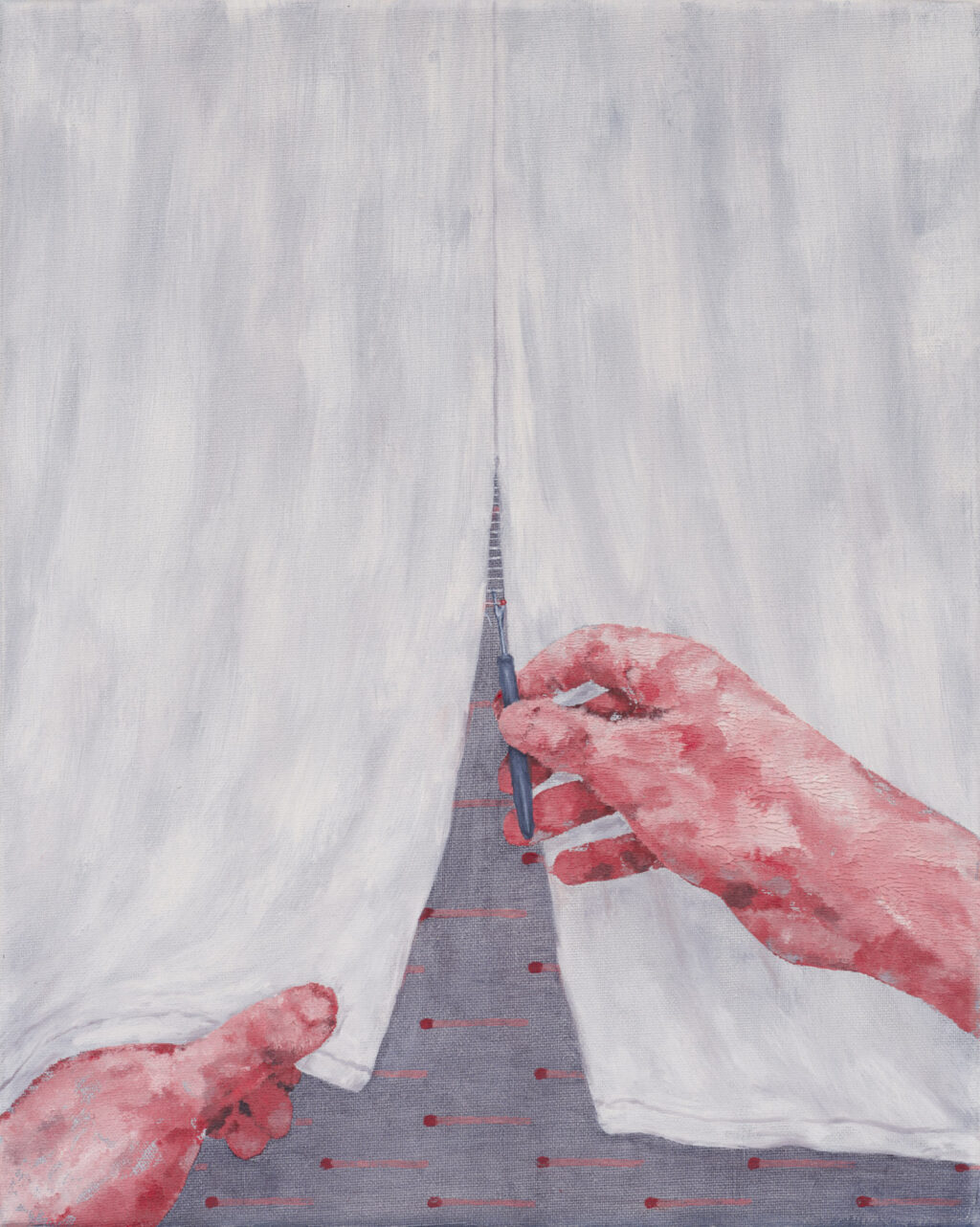
Unseeming
2025
Oil on canvas
50 × 40 cm
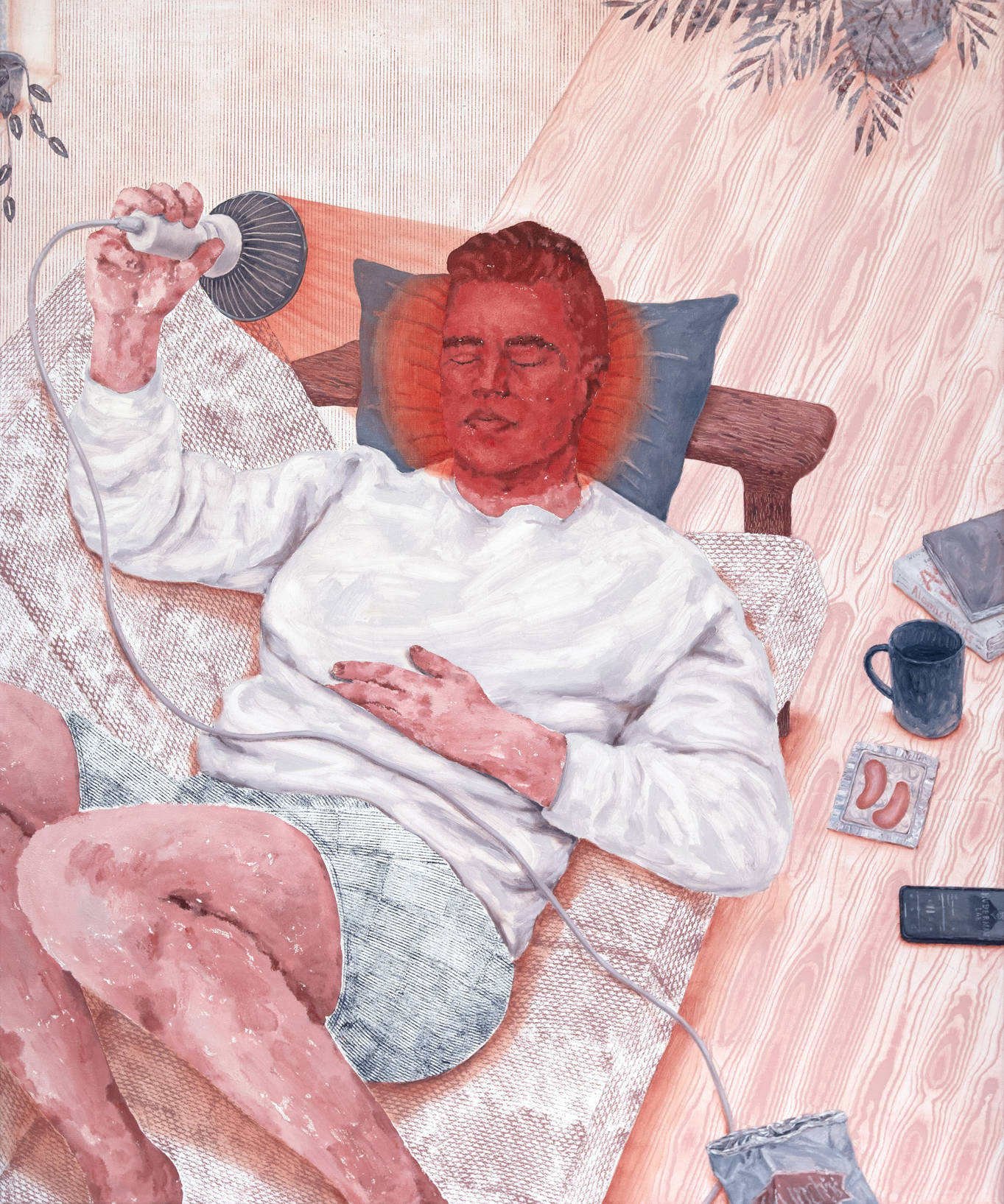
Betterment 2026 Oil on canvas 120 × 100 cm
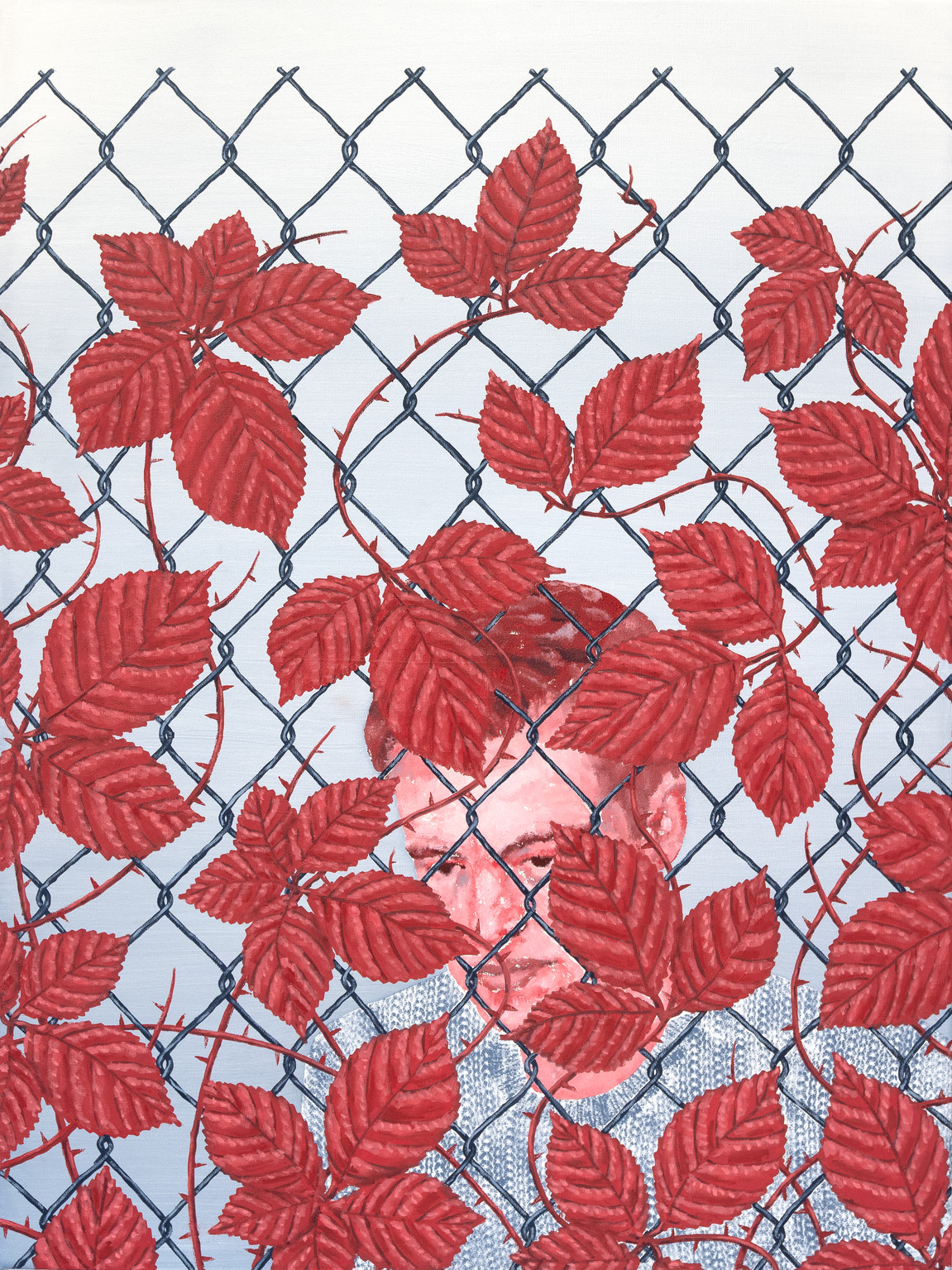
You’ll End Up Where You Were 2026 Oil on canvas 80 × 60 cm
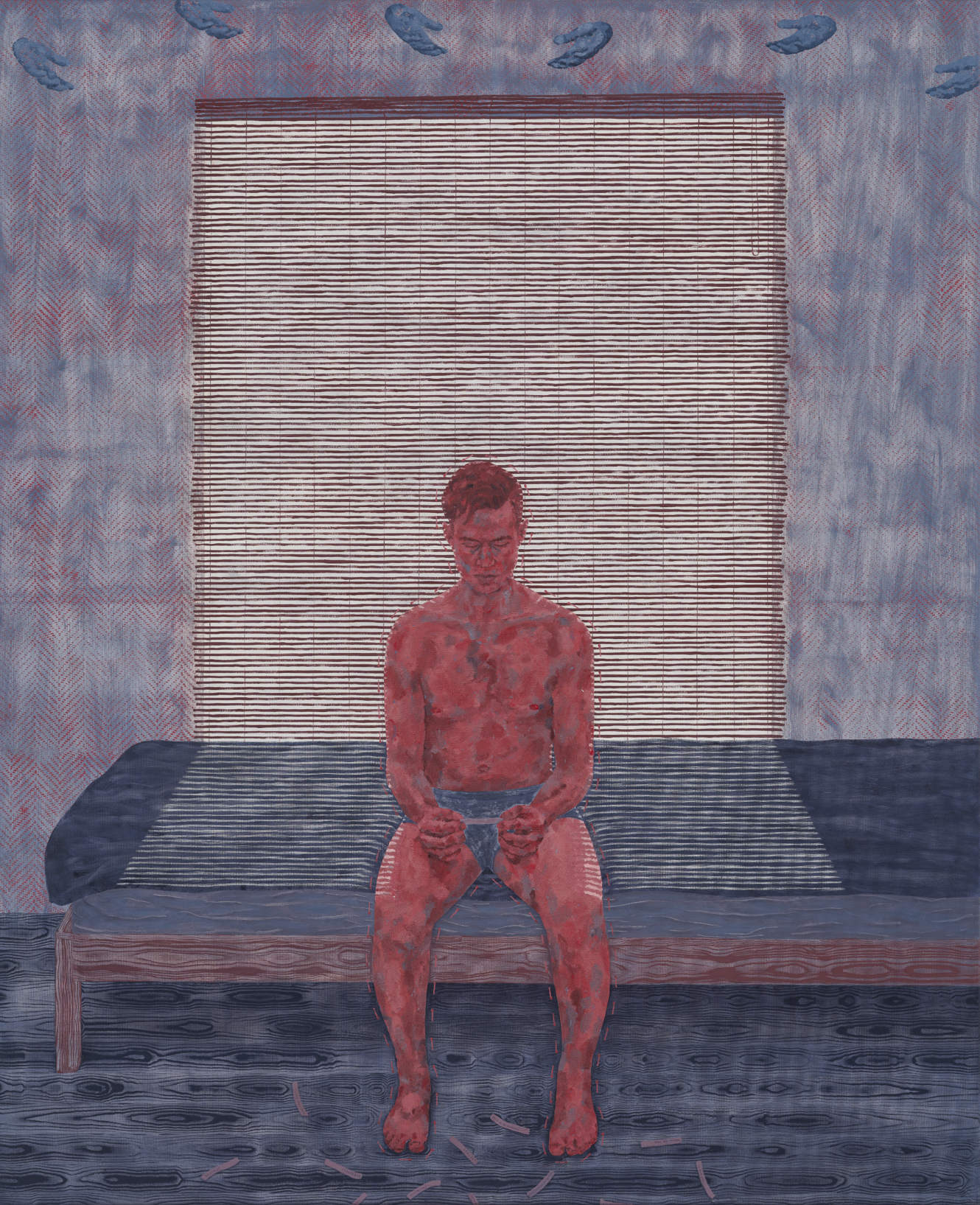
The Space Between Myself and Myself 2026 Oil on canvas 220 × 180 cm
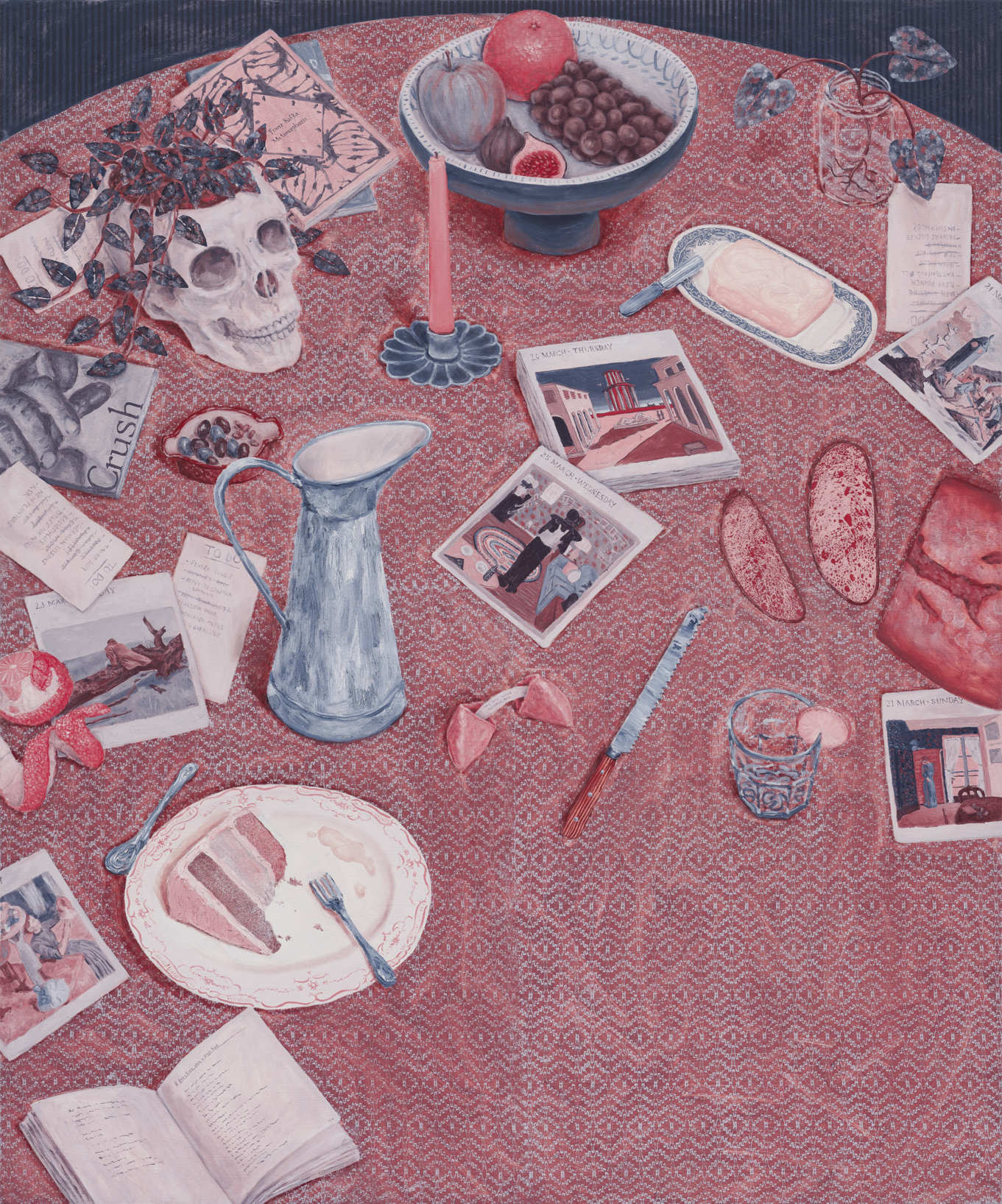
The Song Is Over 2026 Oil on canvas 120 × 100 cm
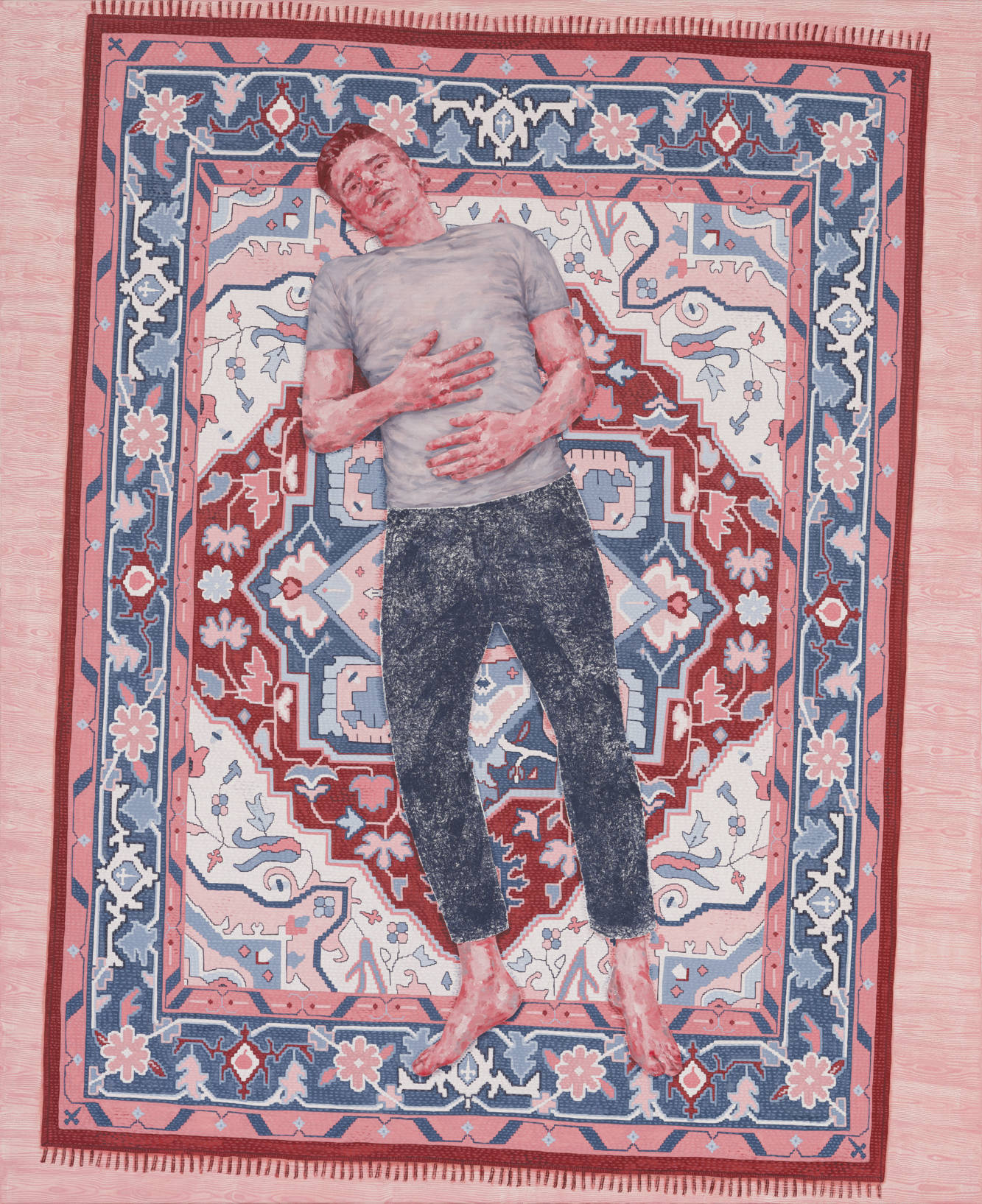
Atlas 2025 Oil on canvas 220 × 180 cm
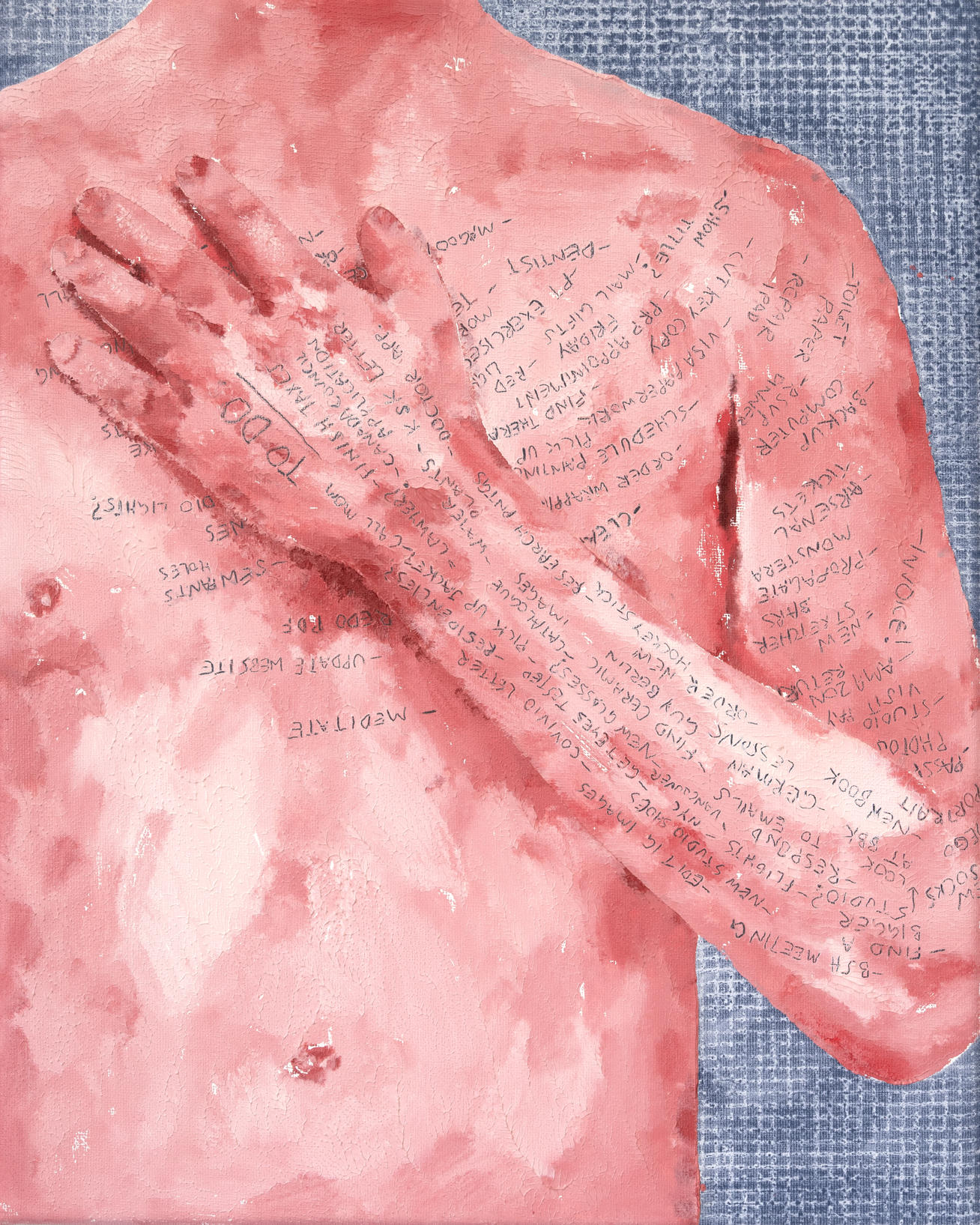
Order of Operations 2025 Oil on canvas 50 × 40 cm
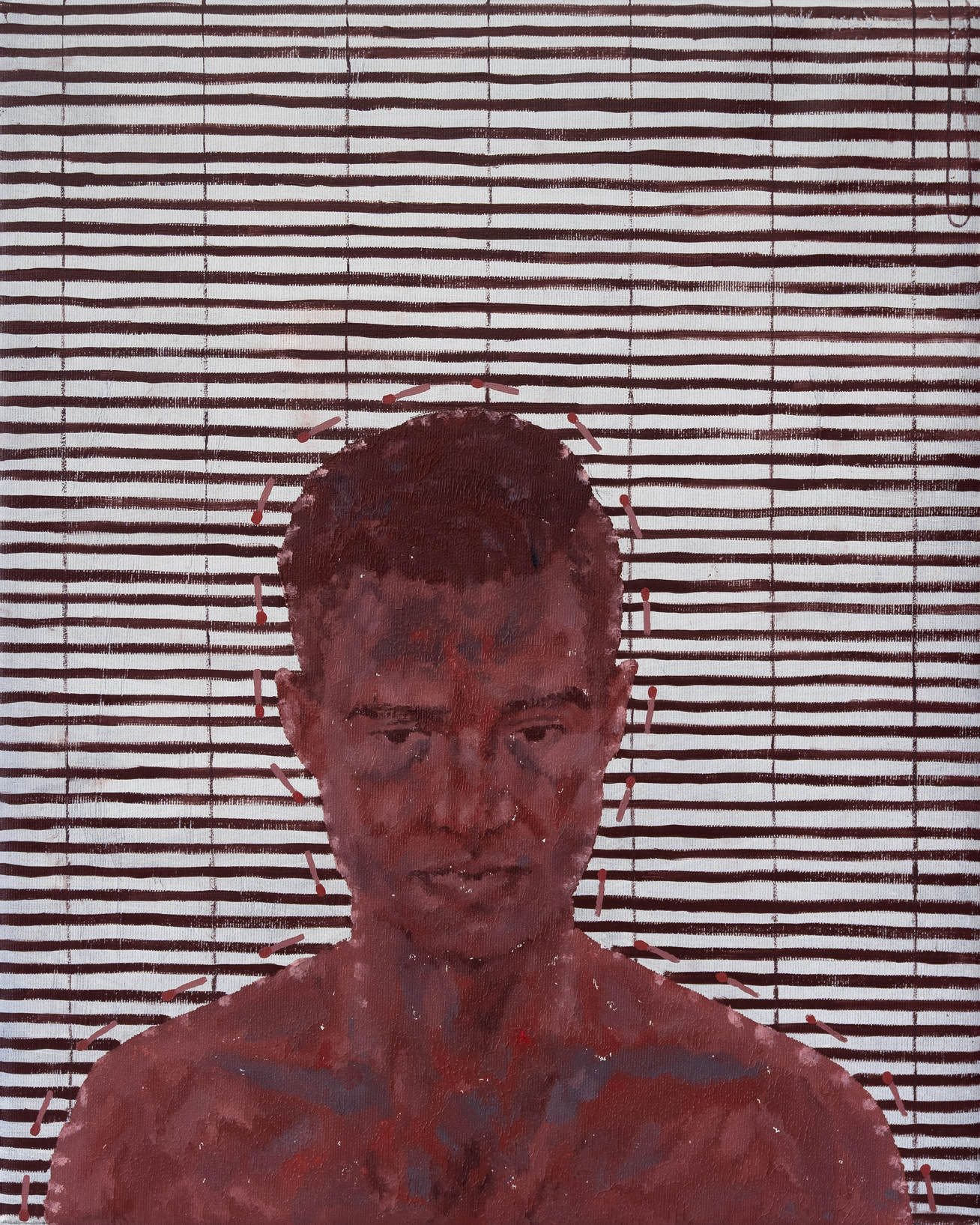
Blind Spot 2025 Oil on canvas 50 × 40 cm
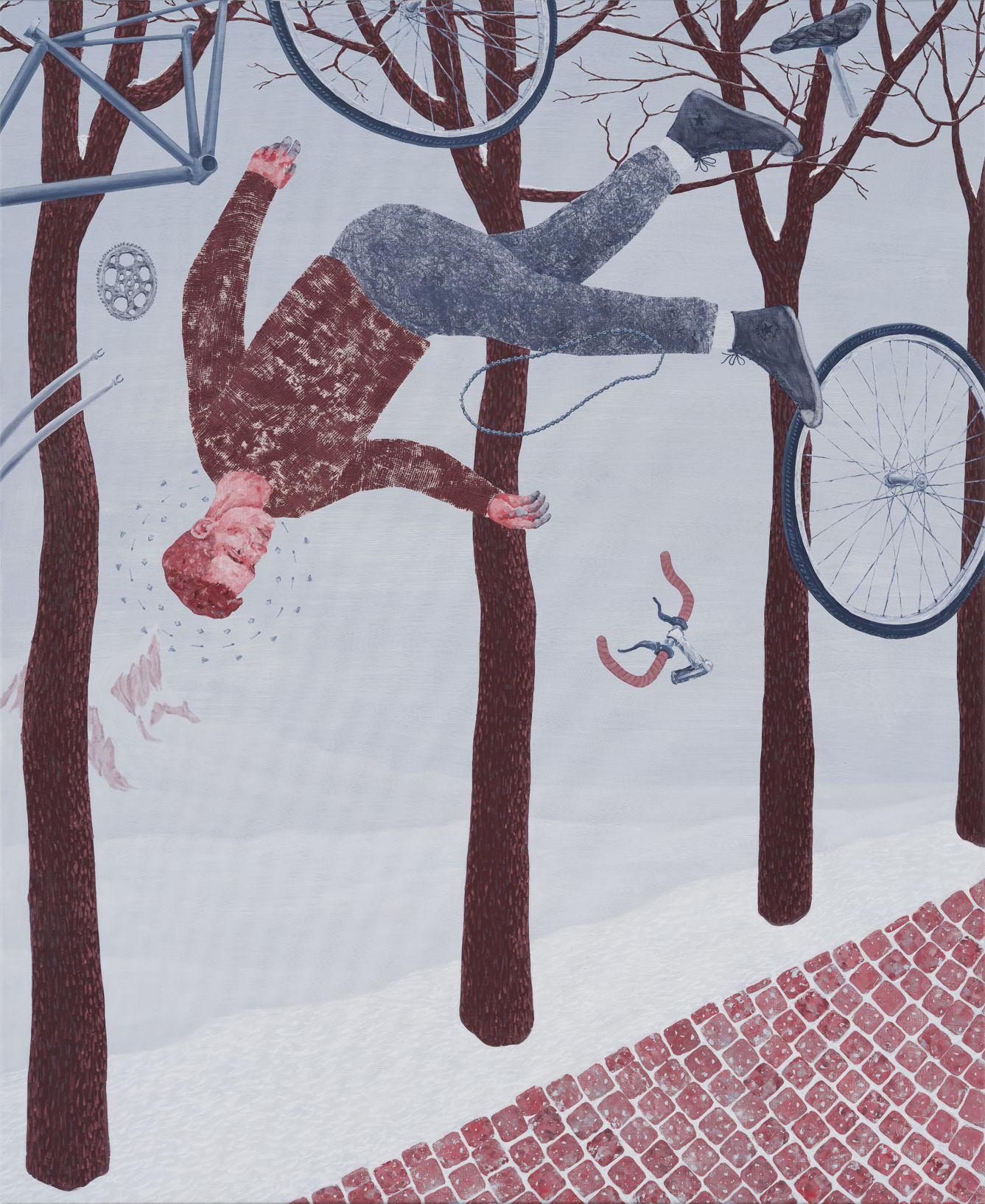
Gravity Rides Everything 2026 Oil on canvas 220 × 180 cm
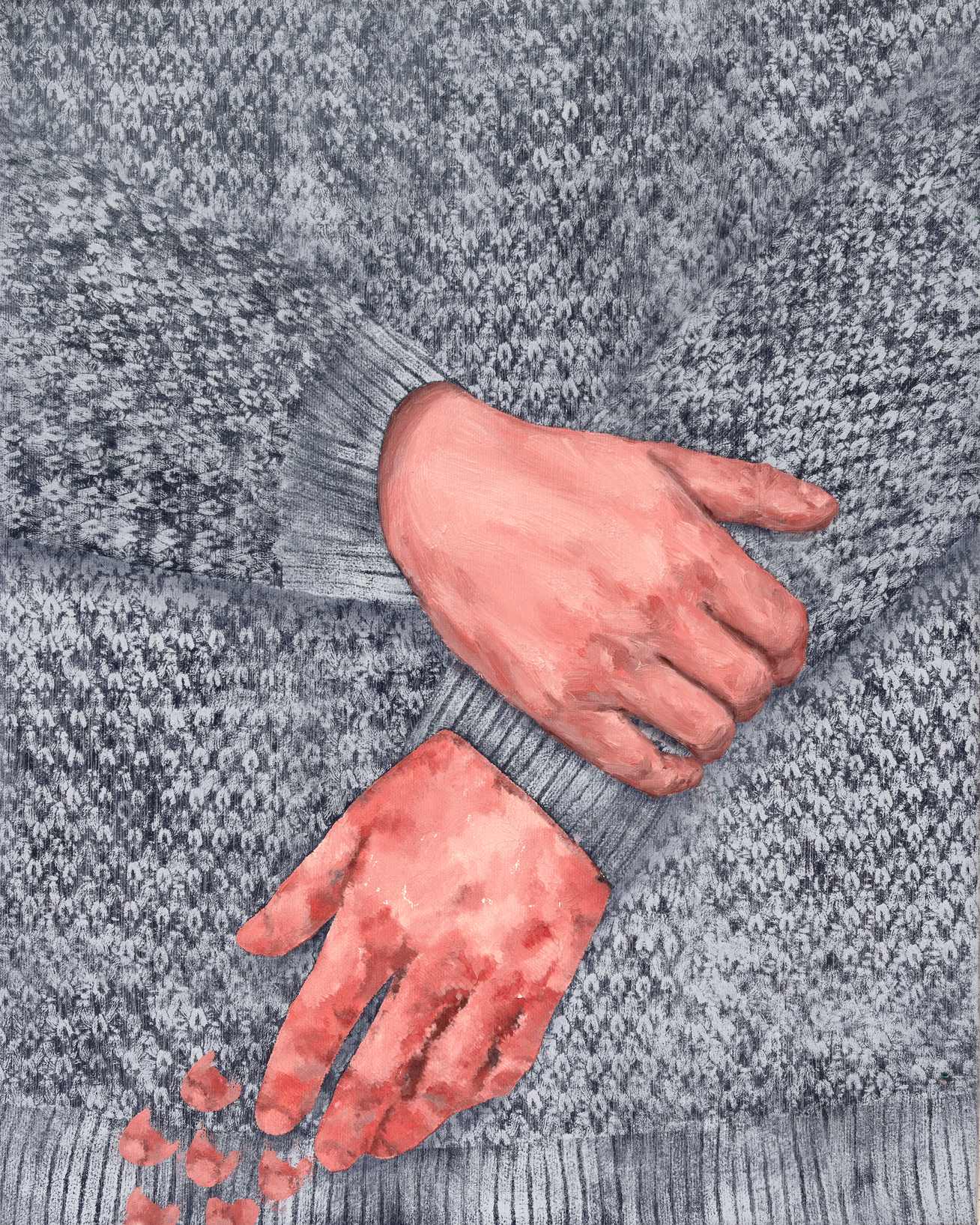
The Length of Tomorrow 2026 Oil on canvas 50 × 40 cm
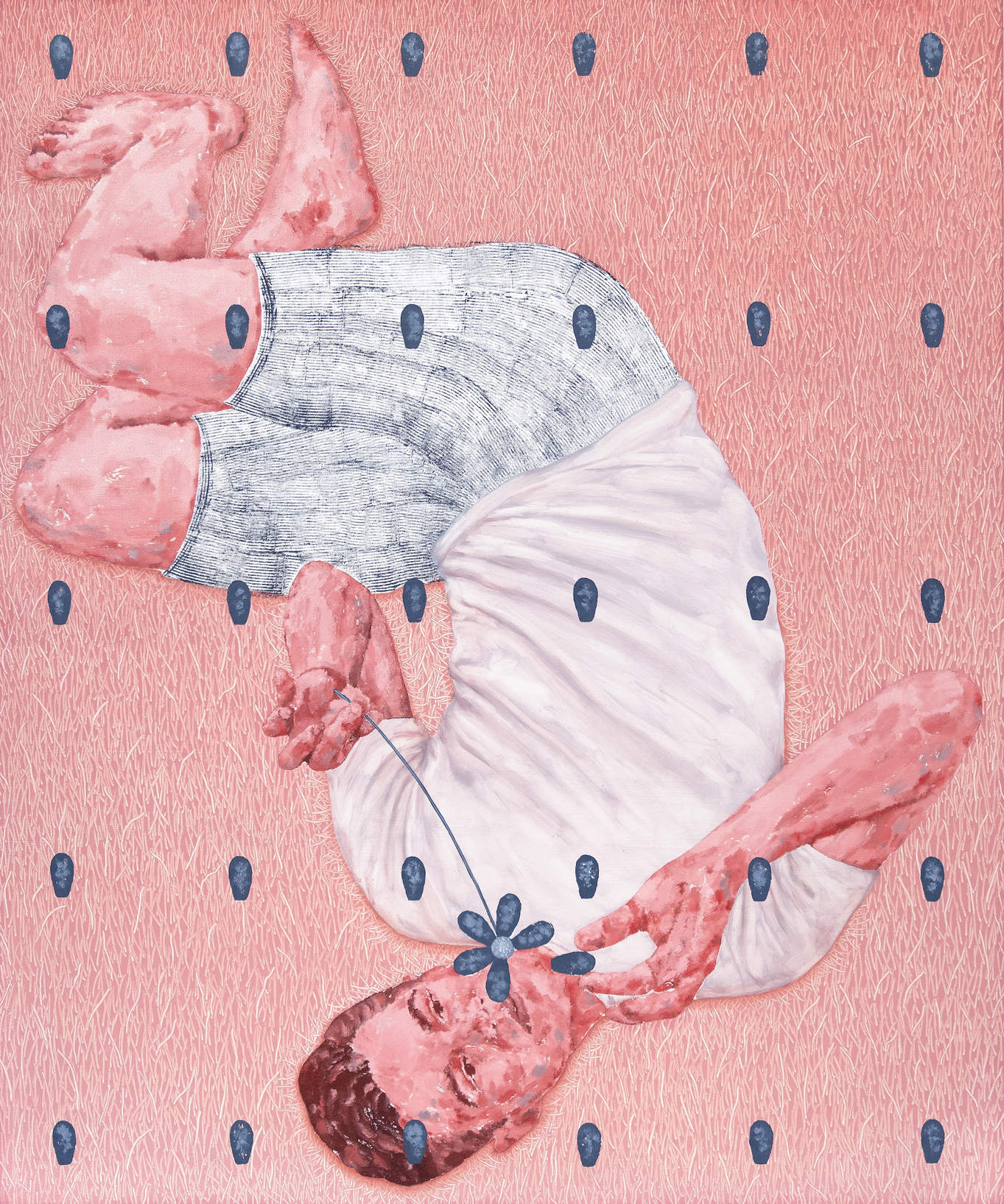
Conditional Equation 2026 Oil on canvas 120 × 100 cm
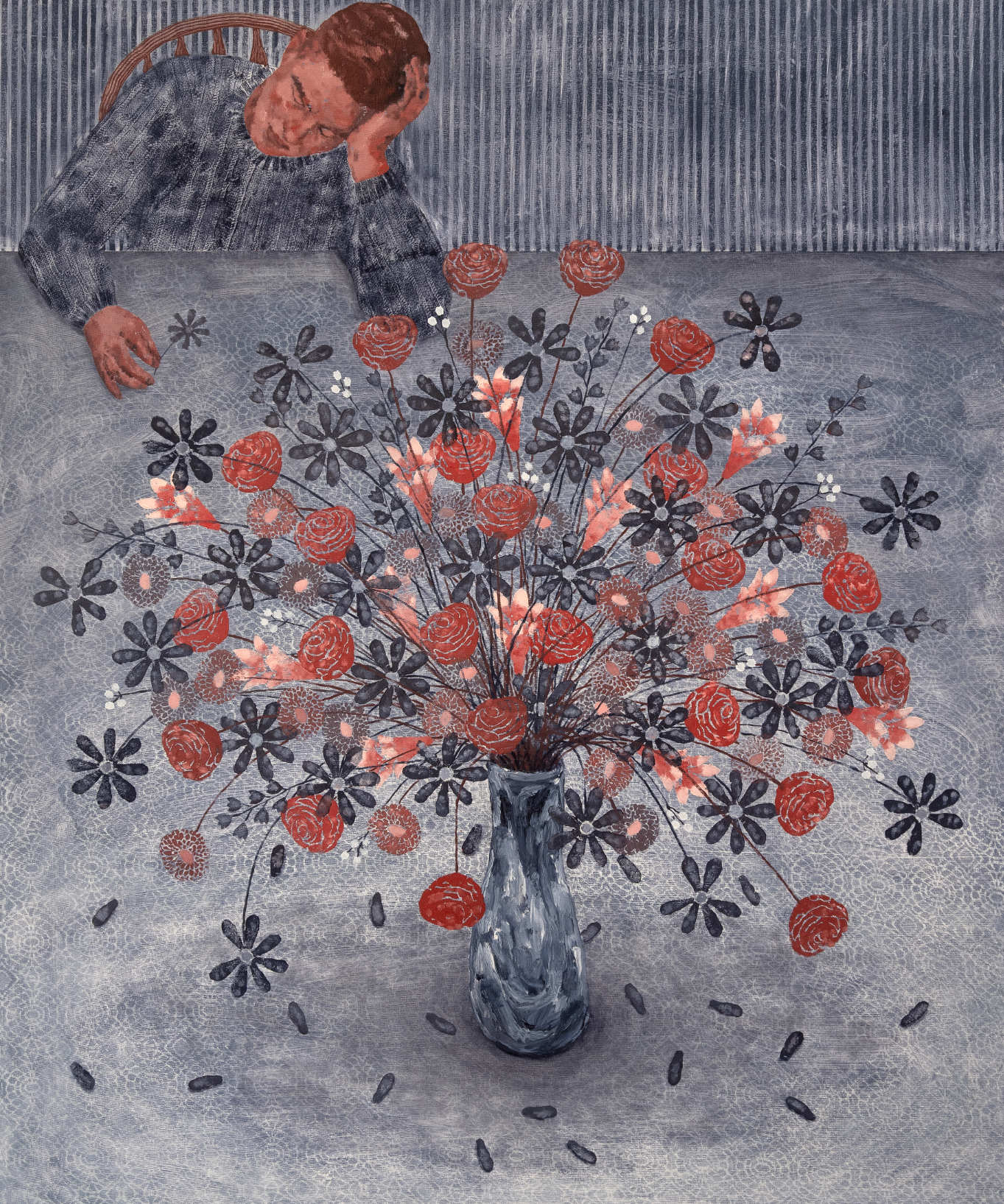
Roses Are Red 2025 Oil on canvas 120 × 100 cm
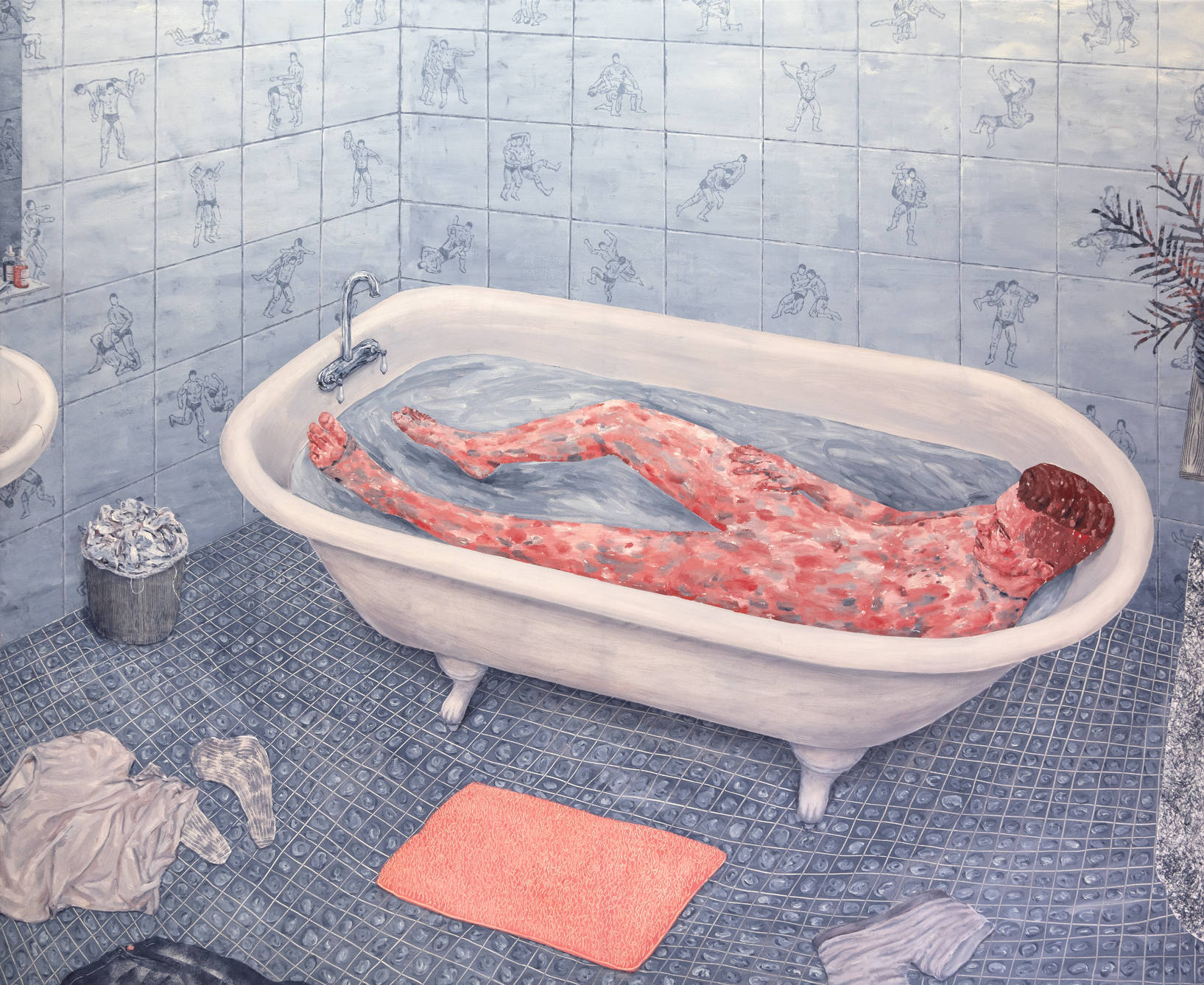
Unmoor 2025 Oil on canvas 180 × 220 cm
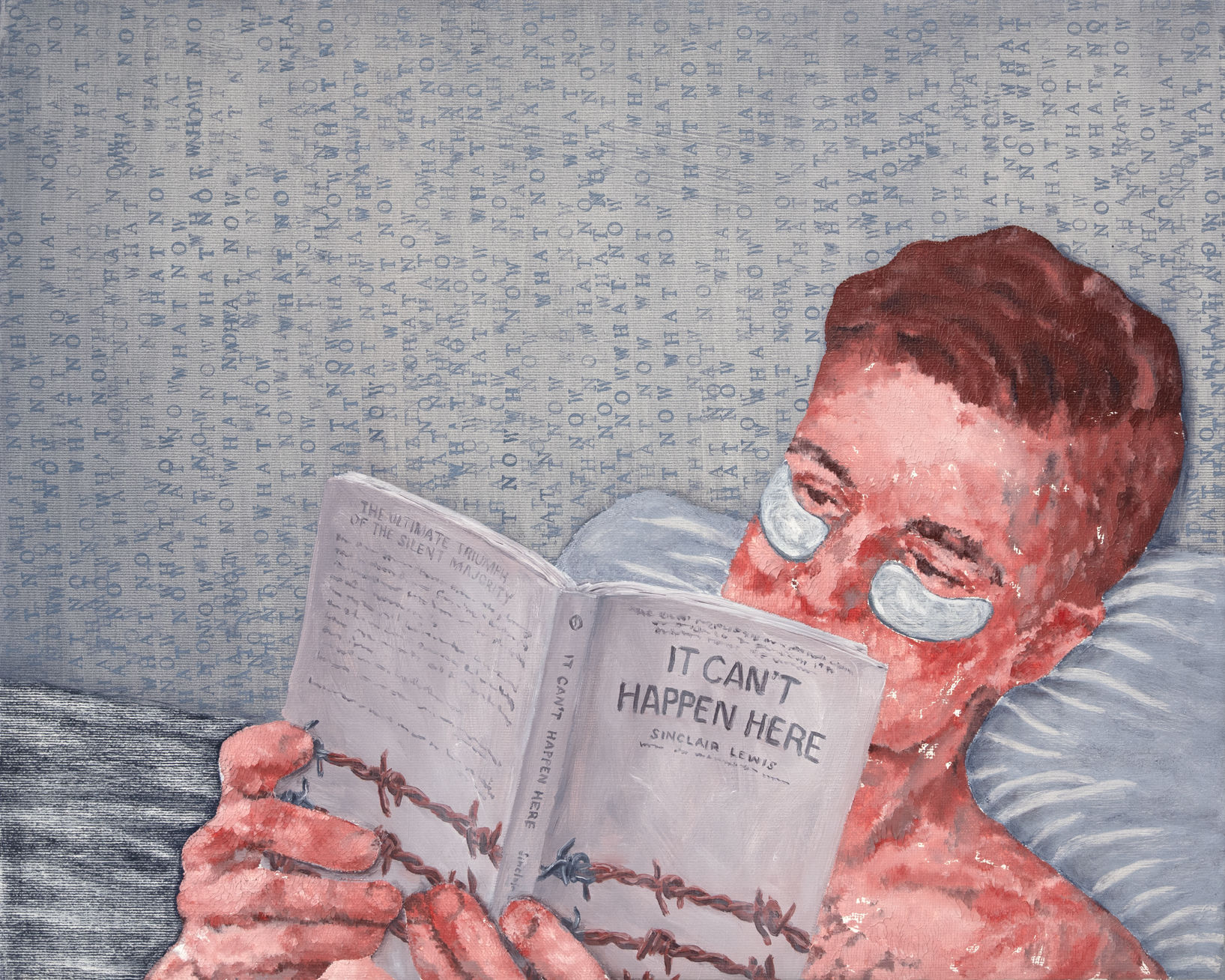
What Now/Now What 2026 Oil on canvas 40 × 50 cm
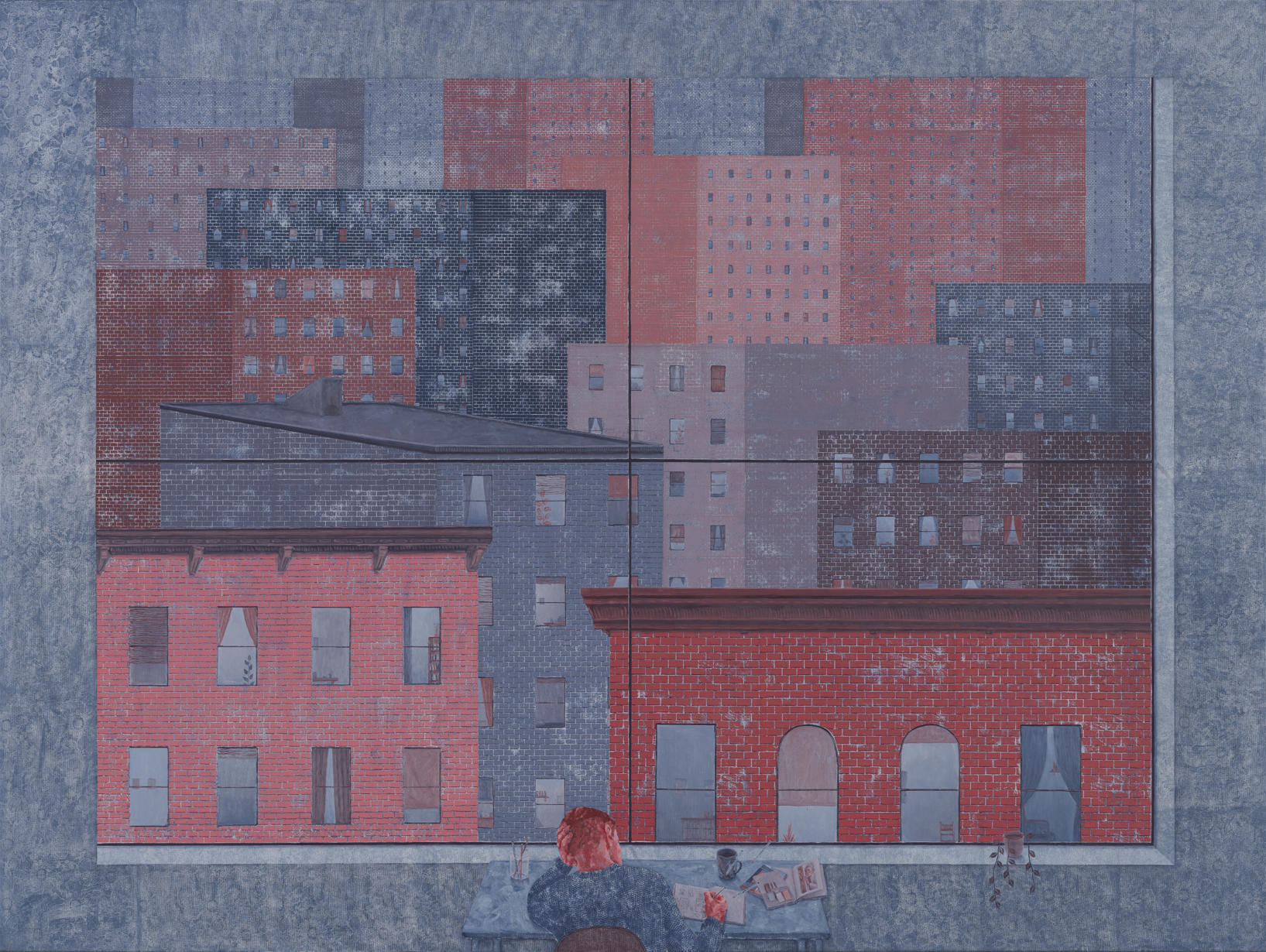
The Past Is No Place to Rest Your Eyes 2026 Oil on canvas 240 × 320 cm
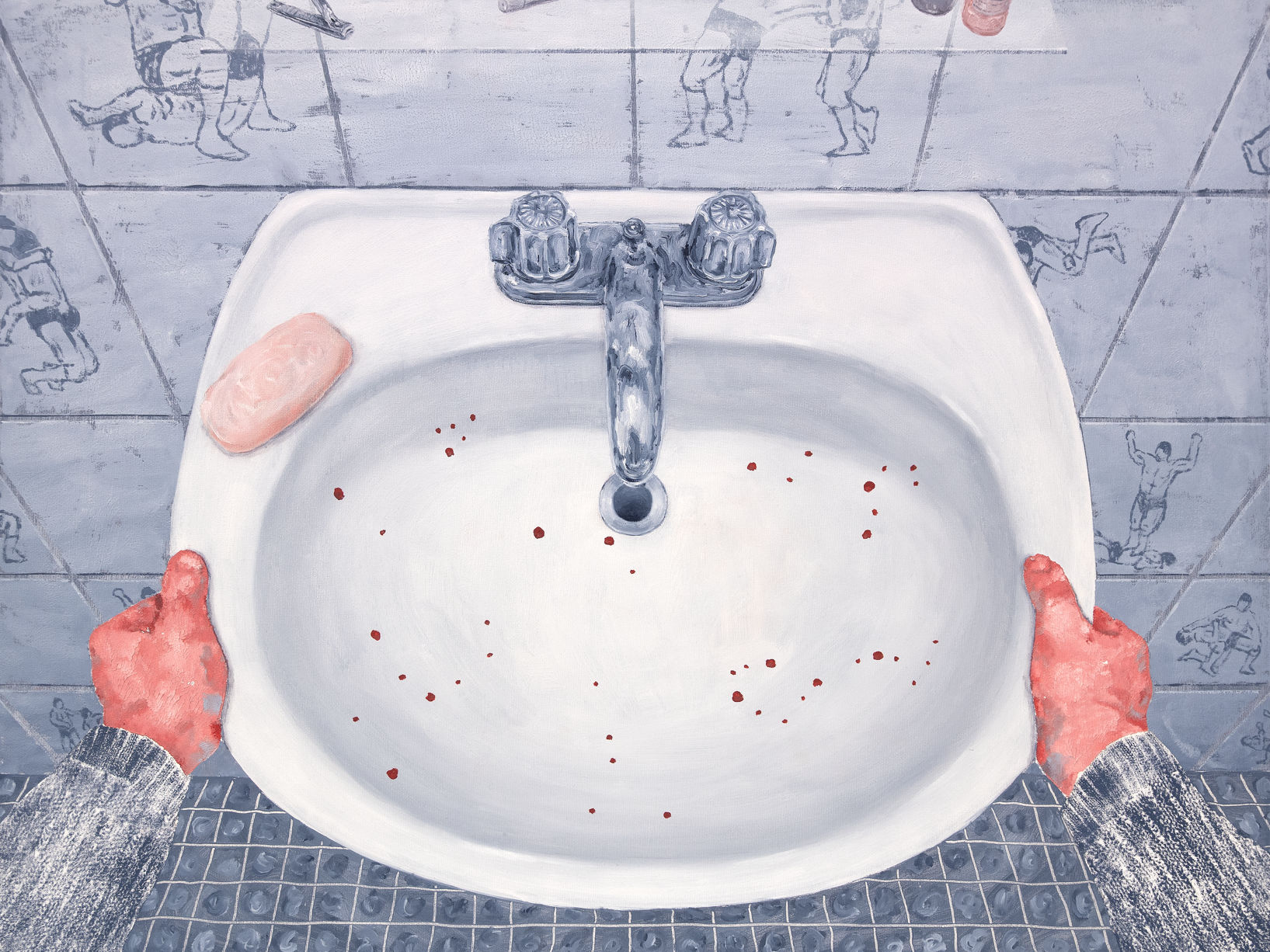
Horoscope (You‘re Gonna Have a Shit Day) 2026 Oil on canvas 60 × 80 cm
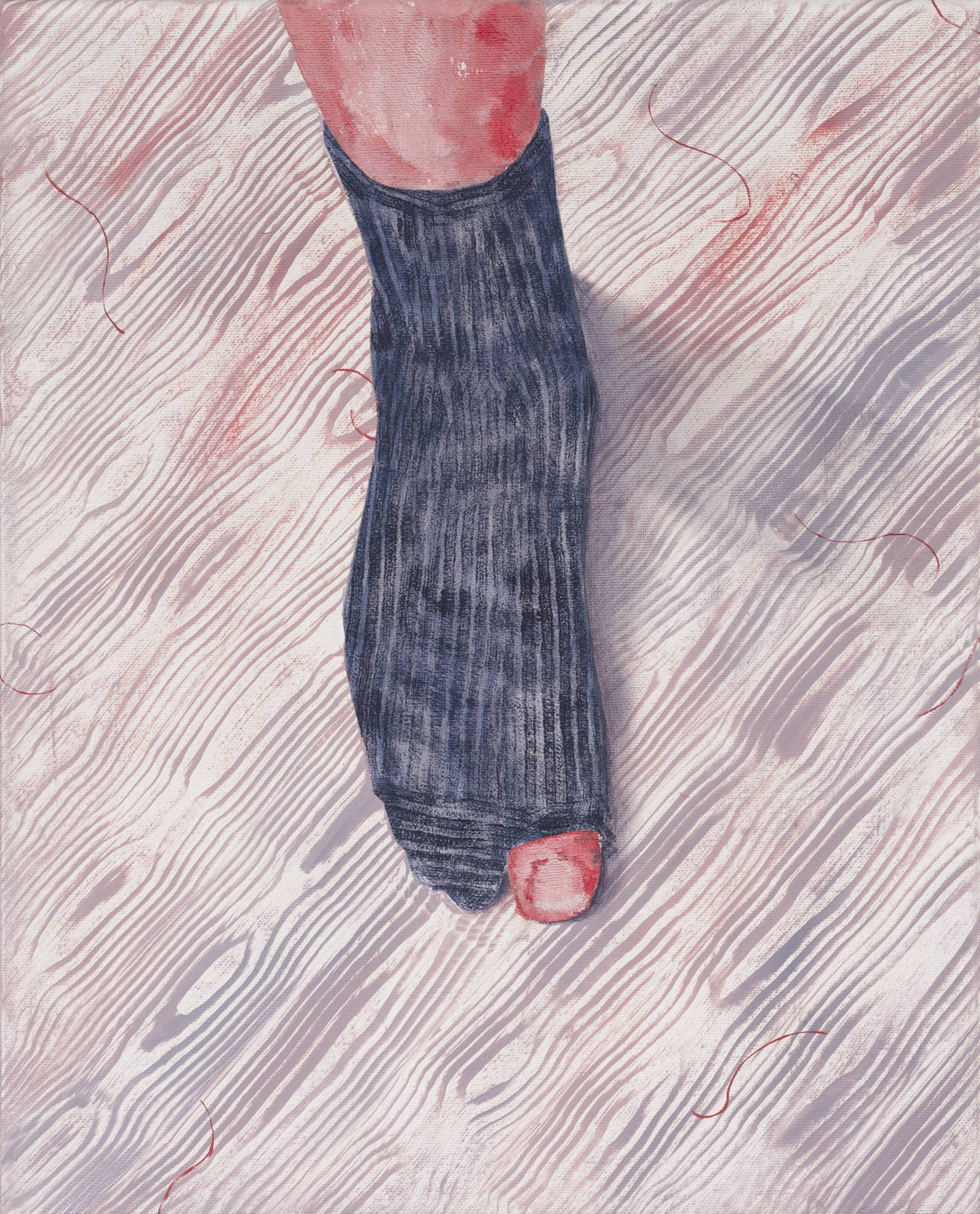
Sign of the Times 2025 Oil on canvas 50 × 40 cm
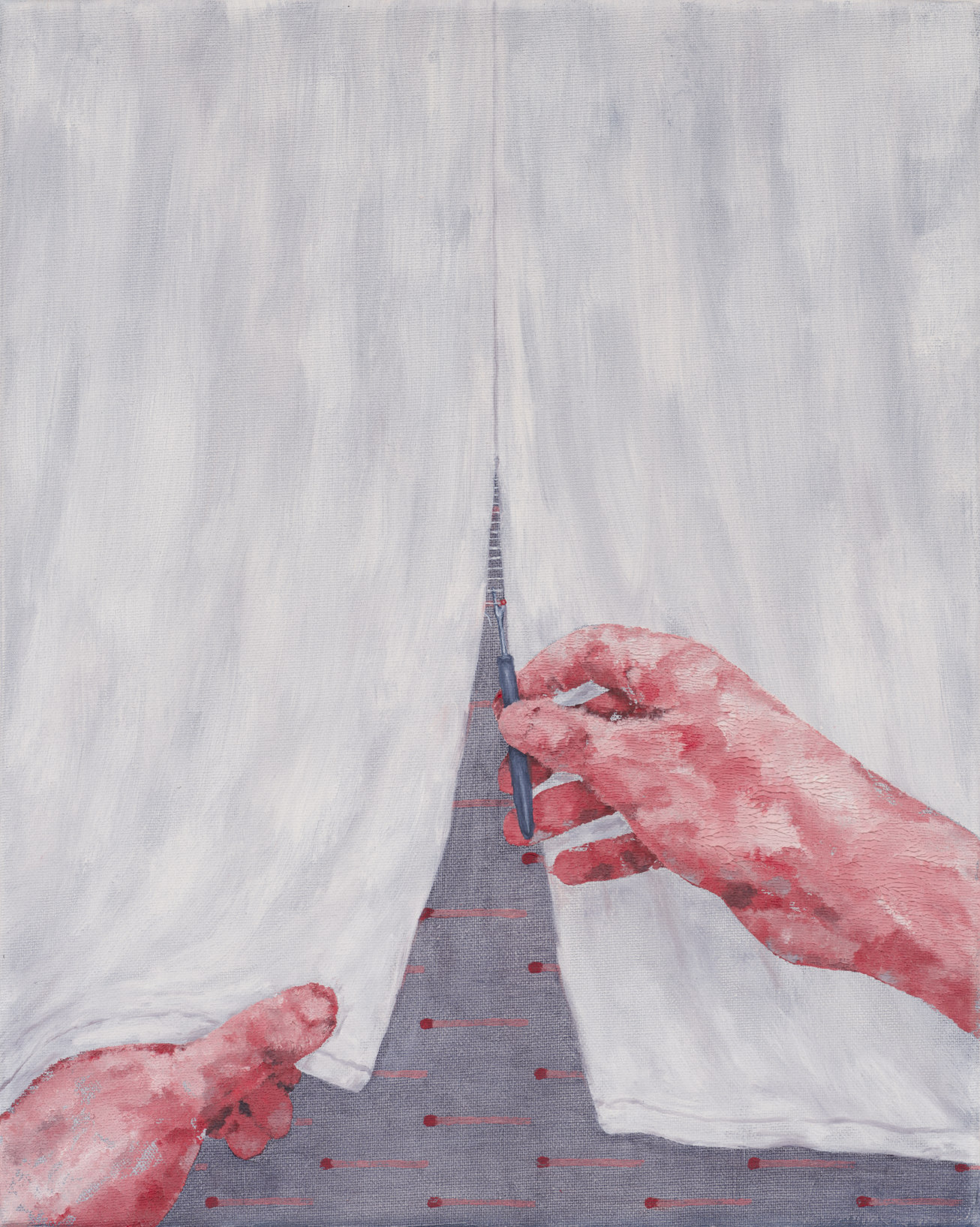
Unseeming 2025 Oil on canvas 50 × 40 cm

Text
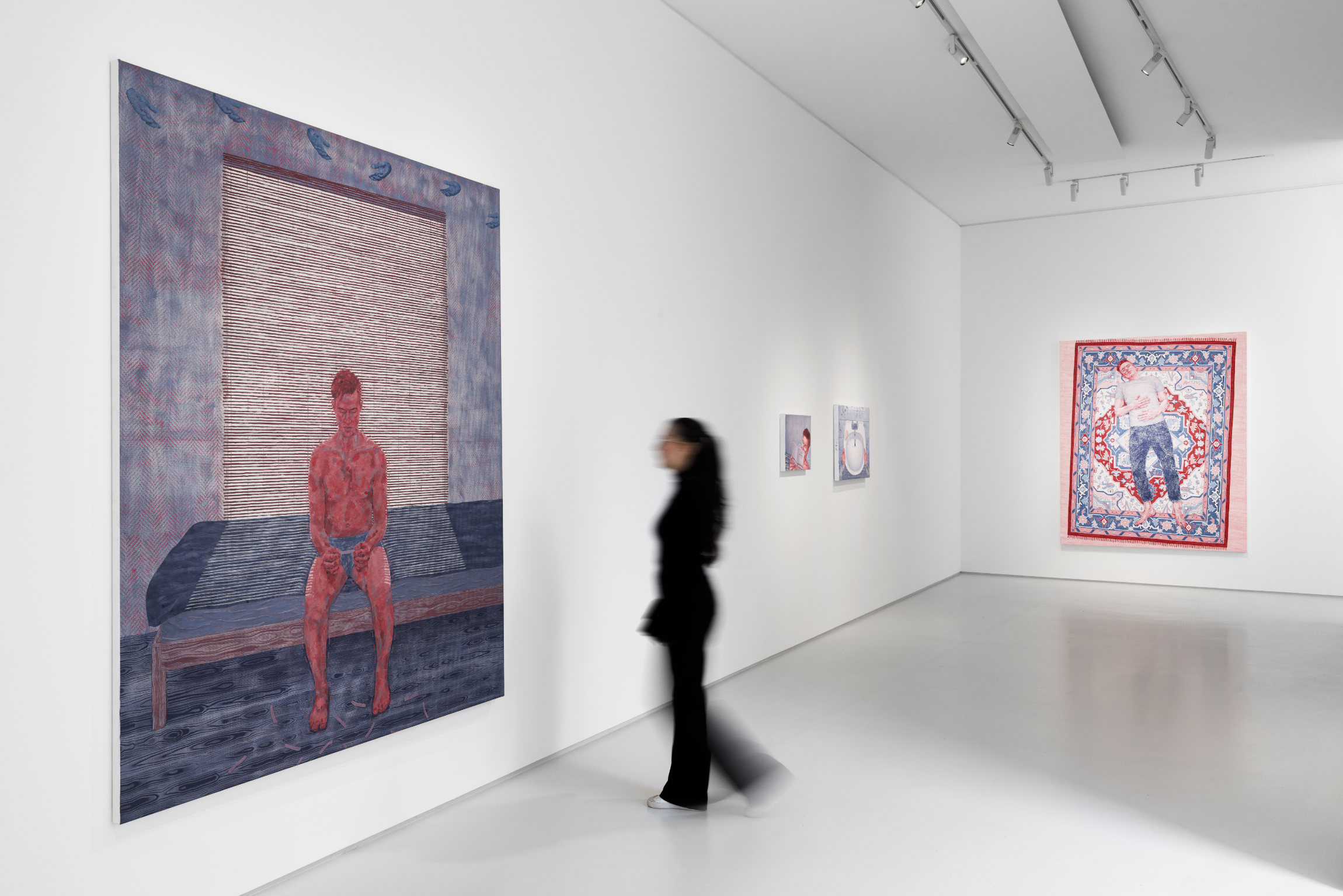
When working in his studio, Adam Lupton wears blue coveralls on which he wipes his brushes and hands. Over time, it gradually assumes the same palette as the paintings he creates. Were he to stand before one of them, he would at first glance almost disappear—only his head would remain visible.
This merging with his own paintings reveals much about his practice. His work frequently engages with his inner life, which in turn is shaped by his obsessive-compulsive disorder (OCD). On the surface, this concerns people who feel an overwhelming urge to check five to fifteen times that the stove is switched off before leaving home, who must rigorously follow rituals and rules to function in daily life. Internally, however, it concerns far more: uncertainty, control, and the perception of the self. Themes of isolation, anxiety, and the simple negotiation of everyday existence flow through the work. What we encounter in Lupton is the quiet thrownness of the human being into the world—an experience shared even by those without compulsive disorders.
Lupton’s paintings are expressions of a collective zeitgeist. The present moment is marked by anxiety and a steady loss of control, often countered by retreat into the private sphere. Accordingly, his works depict domestic scenes. As viewers, we are granted glimpses into bedrooms and bathrooms; we find ourselves seated at kitchen tables and on the edges of beds.
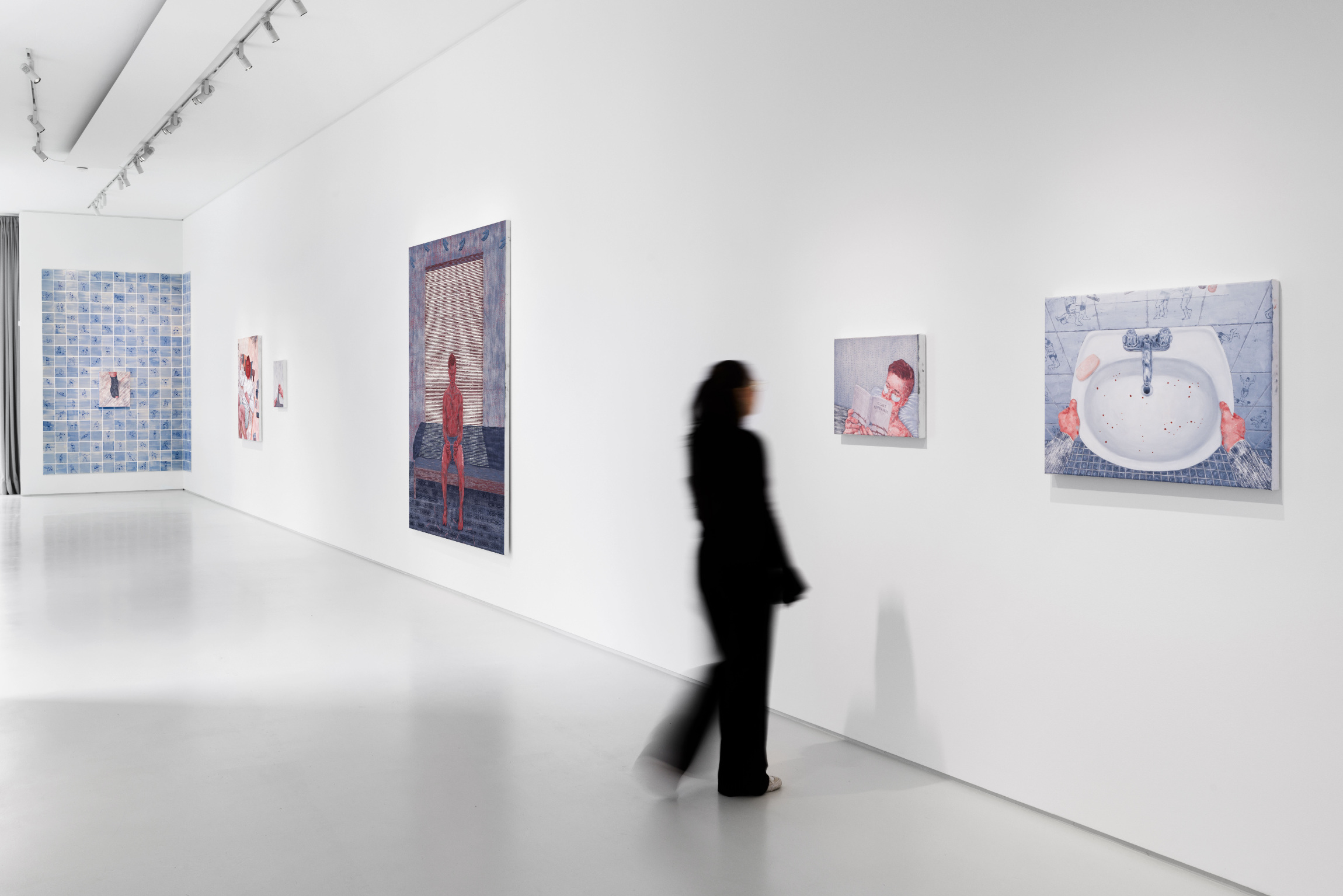
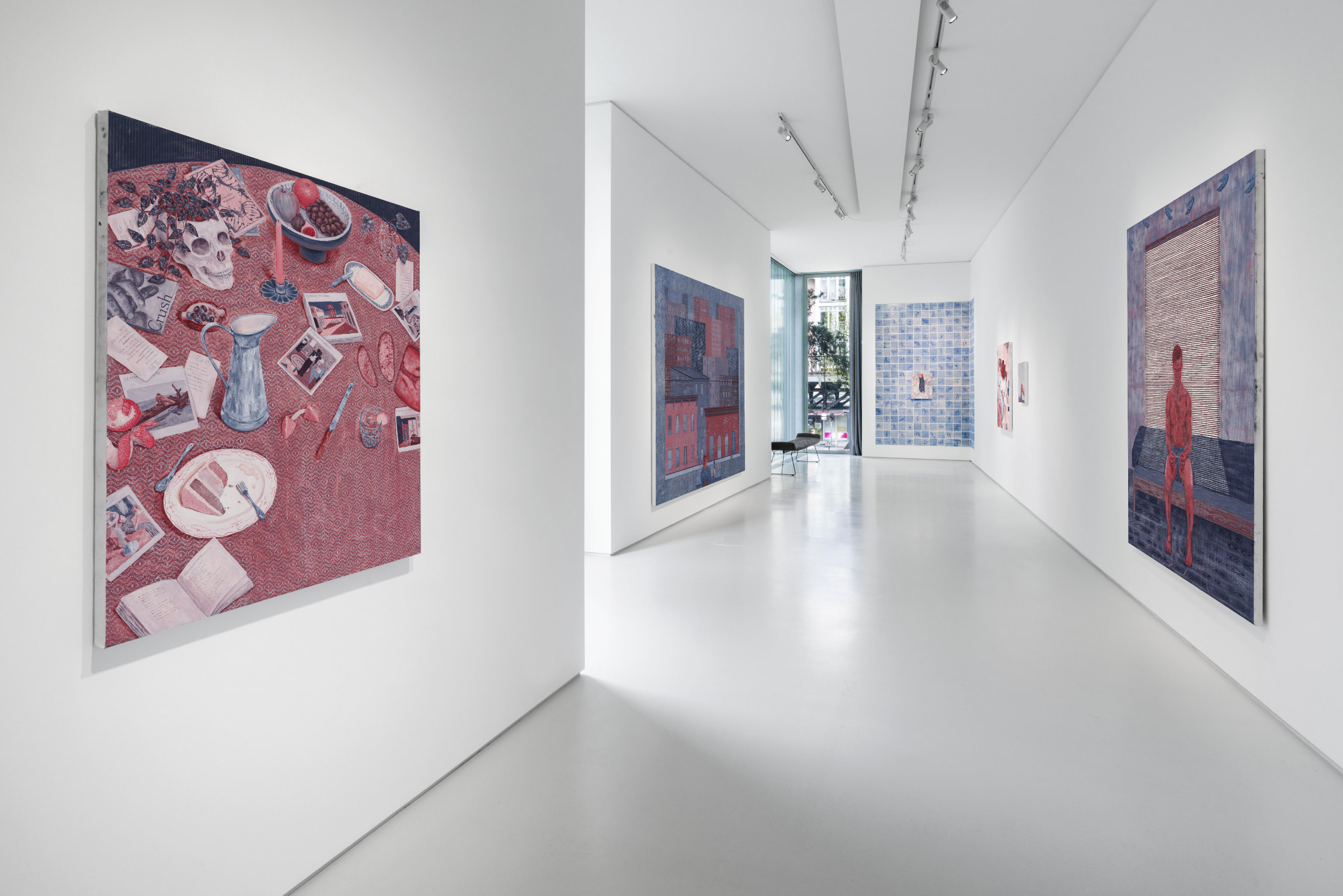
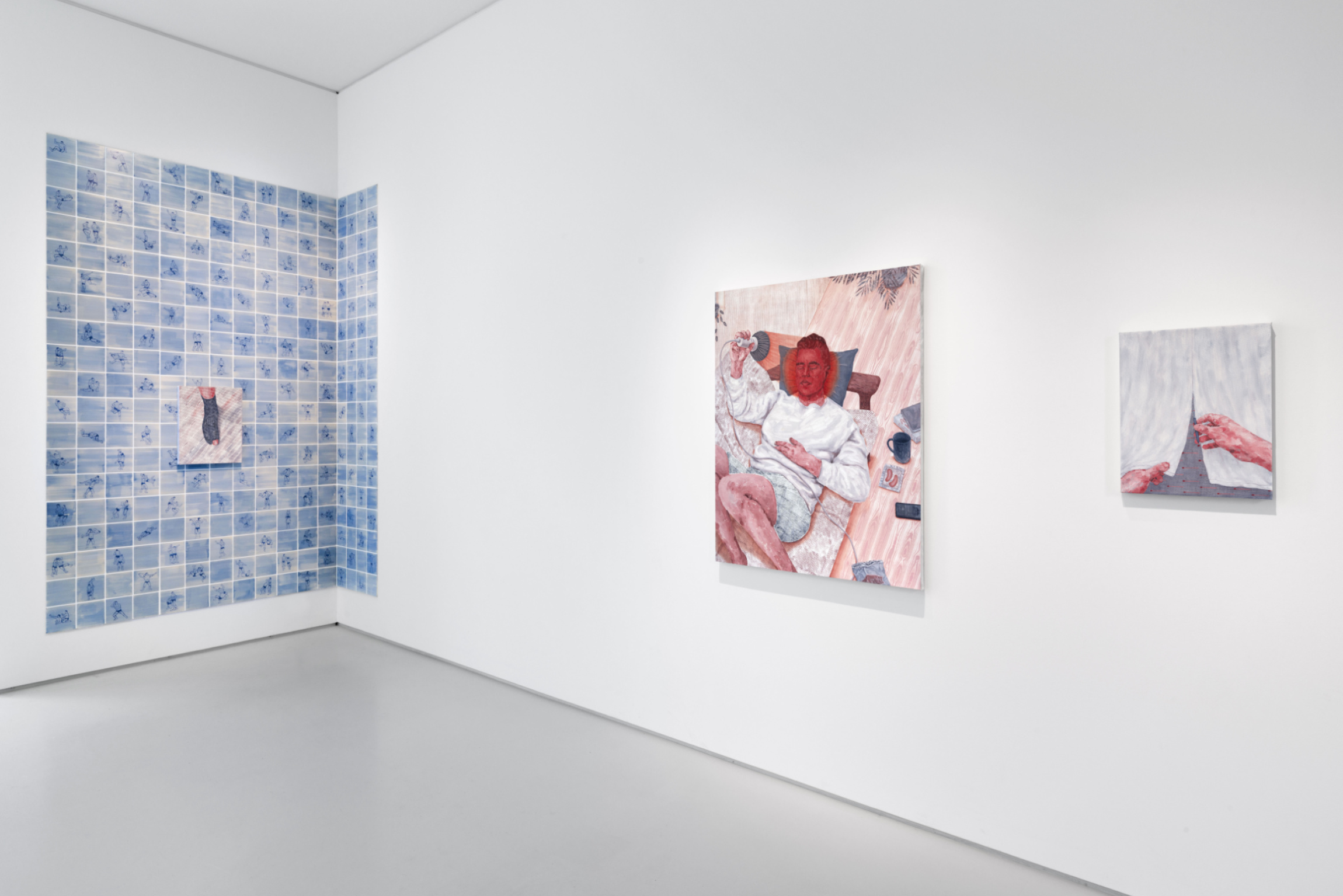
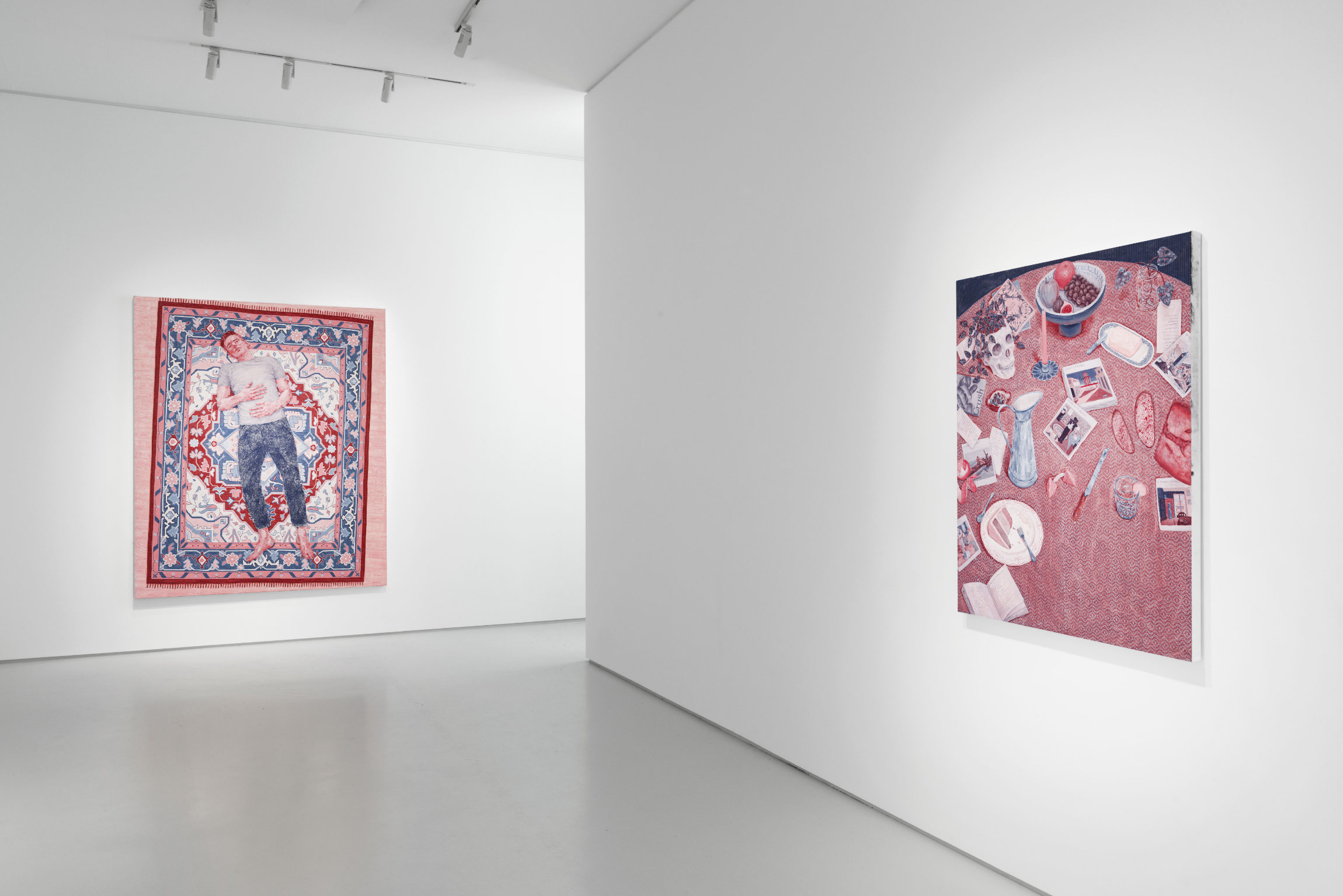
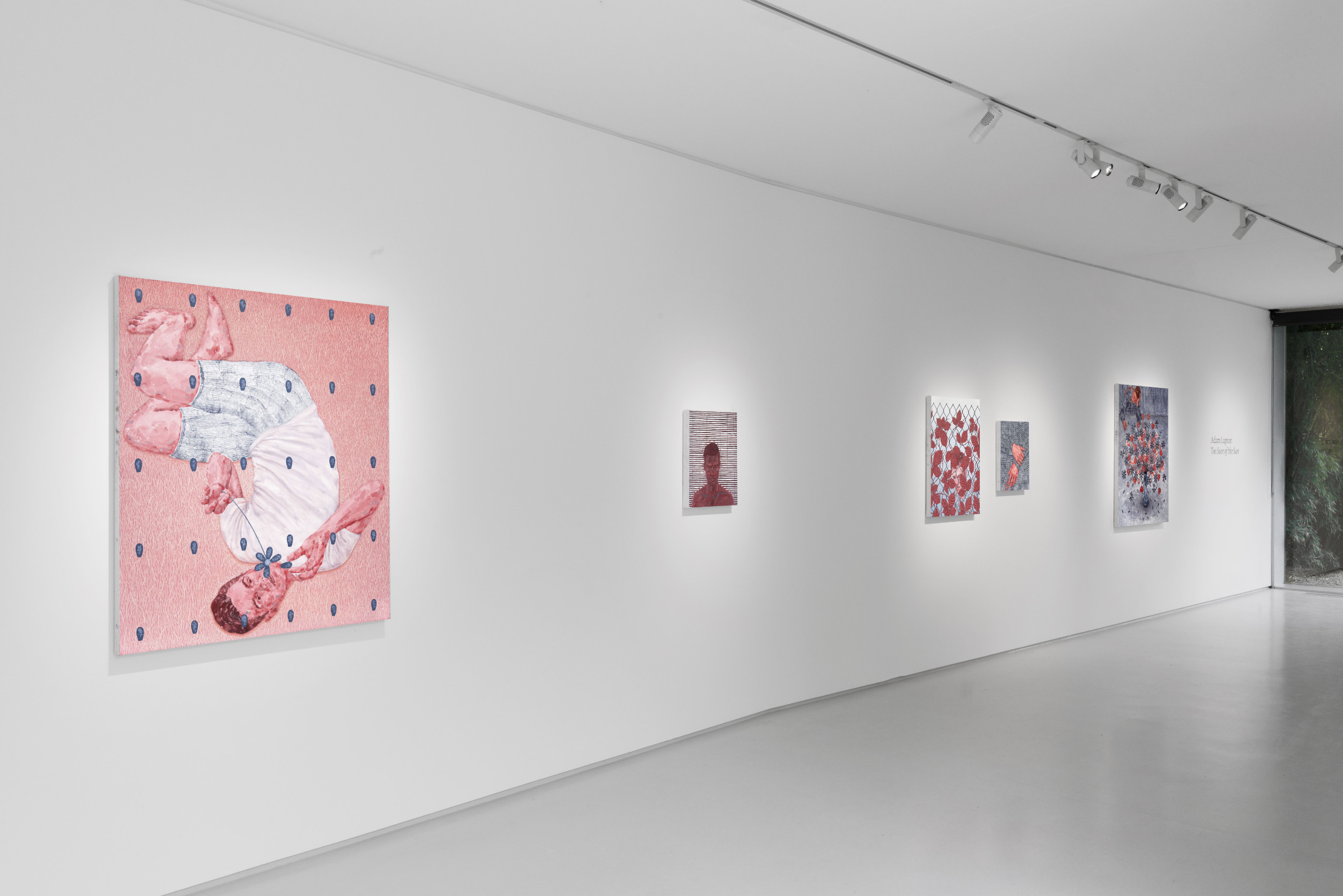
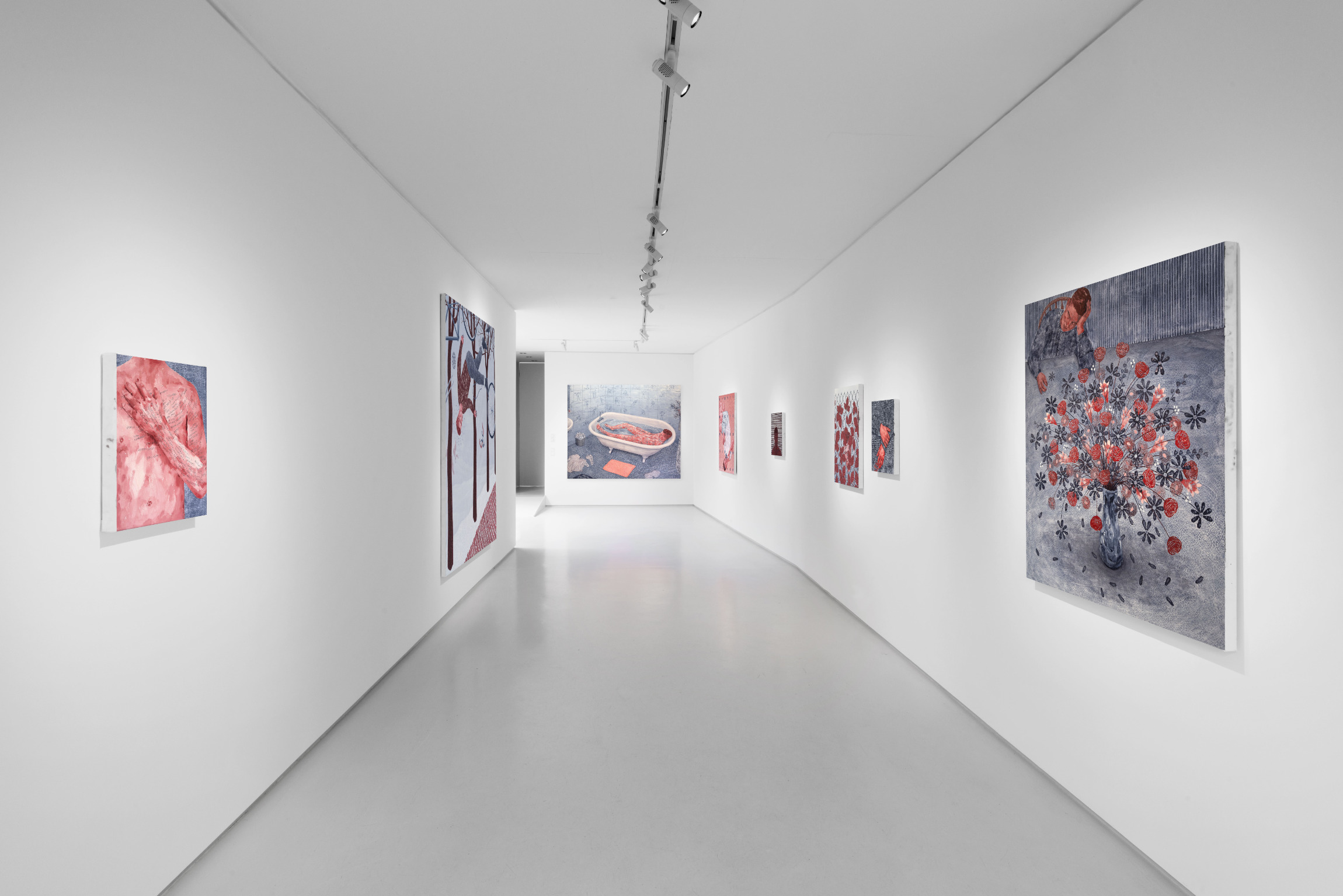
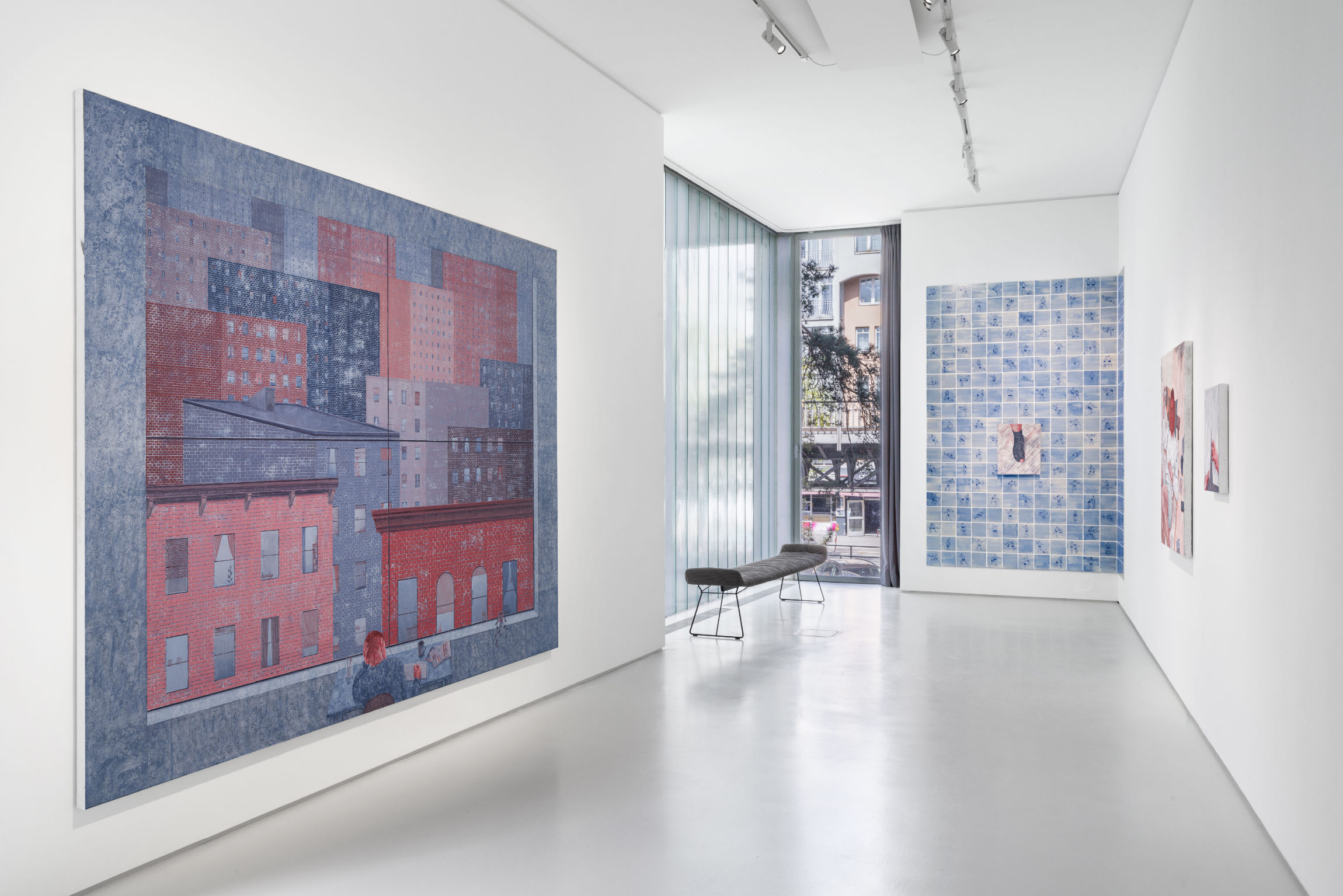
Formally, the figures depicted are variations of Lupton himself, yet one instinctively identifies with the body, often shown lying prone. They appear reading on the floor, on the sofa, or in the bathtub, surrounded by painted tiles on which one wrestler carries another across his shoulders (Unmoor, 2025). The nude male body in the bath automatically enters into tension with performative representations of masculinity. The protagonist lies relaxed, one leg slightly bent, seemingly studying the tiles closely—grappling with the muscular physiques he himself does not possess, and reflecting on an idea of male intimacy expressed only through combat.
Although the protagonist in Lupton’s work is formally always himself, the paintings extend far beyond the genre of self-portraiture. What these images allow is the recognition of the universal within the particular. Previously, Lupton worked with models, until during the pandemic he began to question why he was using other people to articulate his own concerns.
Since arriving in Berlin, Lupton has moved to work exclusively with two colors: blue and red. Within this self-imposed limitation lies his true freedom. For him, the real beauty resides in the challenge of working with only these two colors and discovering all that can be achieved through them.
This voluntary restriction and the intimate depiction of living spaces may be interpreted further. Our era is characterized by excess and by the continual accumulation of more, even when there is already more than enough. The objects that surround life must be organized, sorted, and maintained; one easily becomes the full-time administrator of one’s own possessions. As early as 1965, George Perec addressed this condition in his novel “Things,” and in 2022, Vincenzo Latronico revisited it in “The Perfections.” Both novels explore how consumption determines who we are, and how the objects we own come to define us.
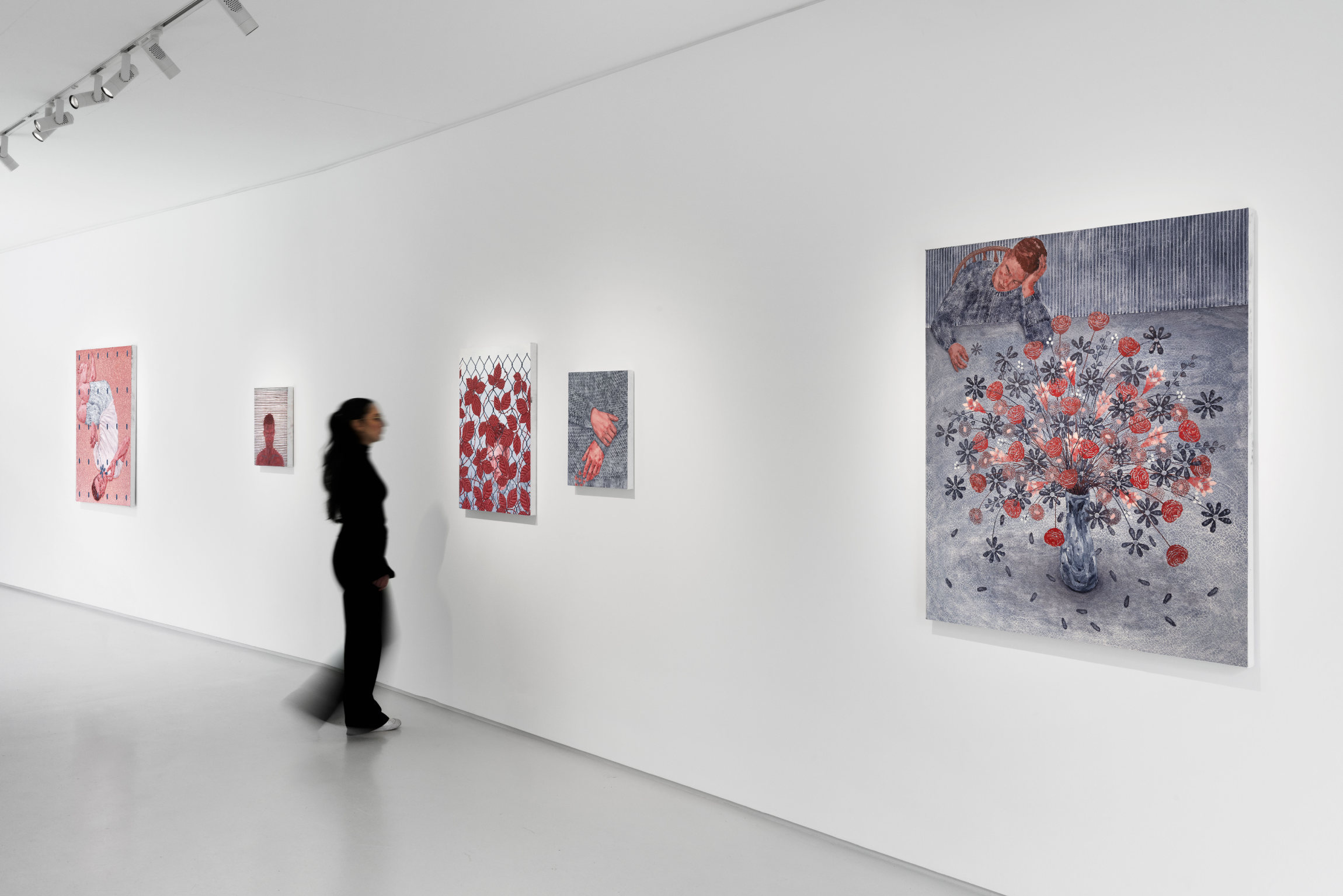
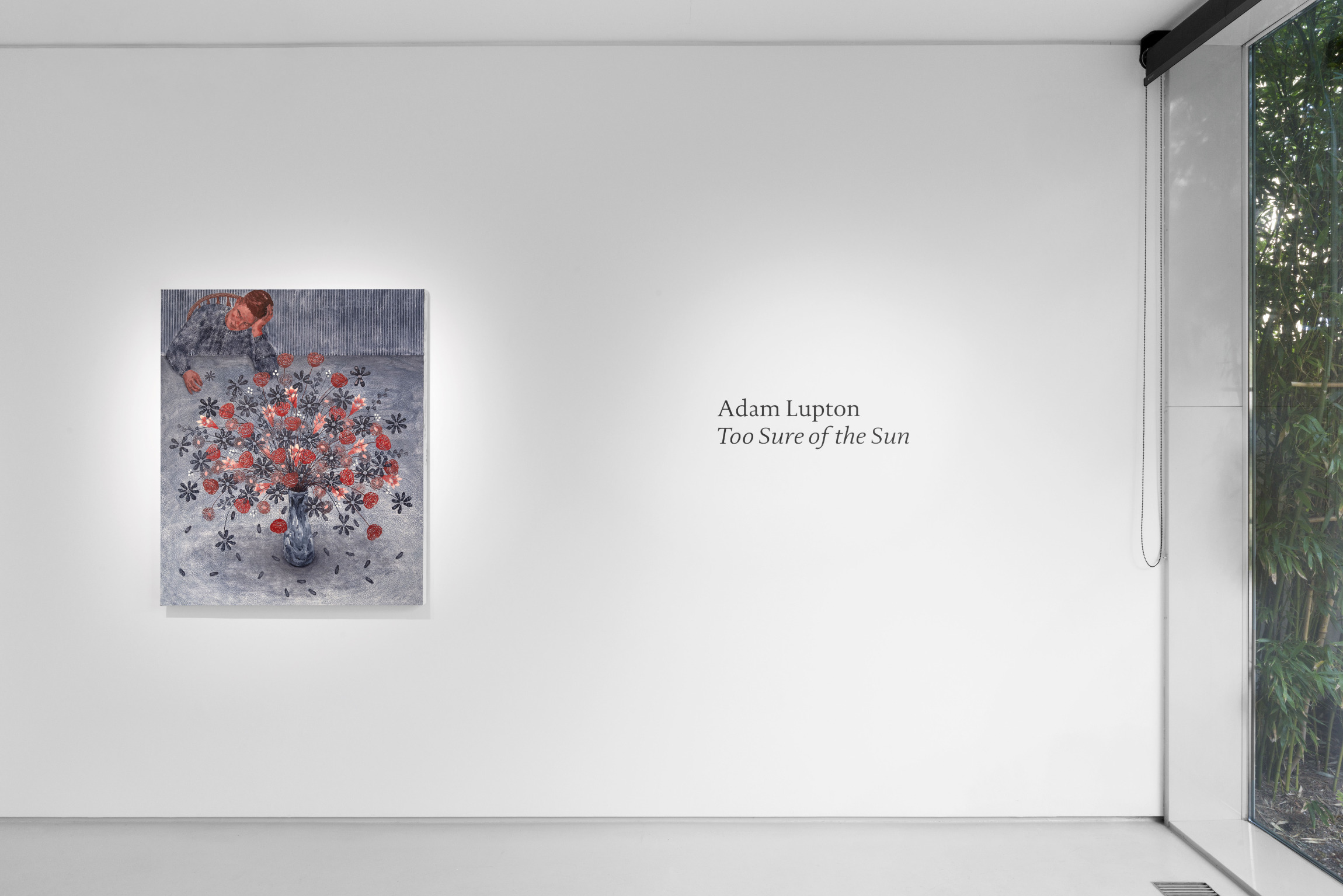
Lupton’s paintings align with this narrative. He does not merely paint them; one might say he furnishes them. The domestic scenarios he depicts show not only a person in a familiar environment, but also aesthetic decisions shaped by advertising, by notions of belonging, and by consumption. In Roses are Red (2025), a young man rests his head in his hands, seated at the far left of the composition, while an enormous bouquet of flowers dominates the foreground. The young man is almost indistinguishable, blending heavily into the background.
Continue reading
In Romanticism, the monk in “Der Mönch am Meer” by Caspar David Friedrich nearly dissolves into the surrounding landscape. Standing before the original, one must squint one’s eyes to discern the small figure. Drawing this parallel, it becomes evident that that period, too, was marked by profound political upheavals; industrialization was on the verge of transforming all aspects of life, and these shifts became manifest in the art of the time. Today, similar upheavals are underway. Digitalization is fundamentally reshaping how we live and, above all, how we work. As a consequence, the spaces in which we live are changing, too. At the same time, multiple wars and significant political transformations are taking place. Art—even when it depicts something ostensibly private—always reveals the context in which it emerges.
Upon closer inspection of the bouquet of roses and wildflowers, one notices that the blossoms were not painted by hand but stamped onto the canvas, and that the background is not monochrome but bears a delicate embroidery pattern. These patterns are not painted, either. Lupton works with stamps and textiles to transfer such effects onto the surface of his canvases. He produces the stamps himself— at one time using potatoes, now synthetic materials, particularly when he anticipates reusing a pattern.
On the one hand, this simplifies and accelerates the act of painting; on the other, it introduces an element of repetition that echoes the repetitions of obsessive-compulsive disorder. Furthermore, these techniques create a wealth of layers on the canvas.
These layers can also be read as layers of habitation. The first layer is the skin, separating us from the environment; then clothing; then the room, the apartment, the house. All these zones must be traversed to reach the human core. In a sense, Lupton re-clothes his figures employing textiles, to shape the domestic sphere of his protagonists. There is something almost architectural in the way he constructs these interiors—he does not simply paint them but equips them with texture and depth. Each painting is furnished as a small world, a small home. It is to this home that one returns after confronting the urgencies of the day. The endlessly long to-do list winding across the body in Order of Operations (2025) speaks of this. It even occupies parts of the upper torso that clothing would normally conceal. The point is not to have the list at hand later, but the act of writing and inscribing it onto the body itself. Here, the blurring becomes particularly visible: the blurring of body and living space, foreground and background, the blurring of bodily boundaries threatened by dissolution.
Before Lupton begins to paint, he plans his images meticulously. He is not an impulsive painter: sketches precede each work. Viewed together in a row, these small, fully realized paintings resemble a graphic novel—a continuous story. Perhaps Lupton’s oeuvre can indeed be read in this way. Each image functions independently, yet collectively they reveal a narrative.
There is something inherently cinematic about these scenes. As if one had pressed pause while watching a movie, the viewer is granted time to study the setting before the action resumes.
There is this common misconception about lonely figures depicted in paintings. Edward Hopper repeatedly painted individuals sitting alone in diners. The widely held assumption is that they are lonesome, longing for company they do not receive, imbued with melancholy. Yet the opposite may be true. Perhaps they have just slipped away from a party, relieved to have escaped dreadful company. Or perhaps they have experienced the most beautiful first date imaginable and now sit quietly in the diner, replaying the evening in contented reflection.
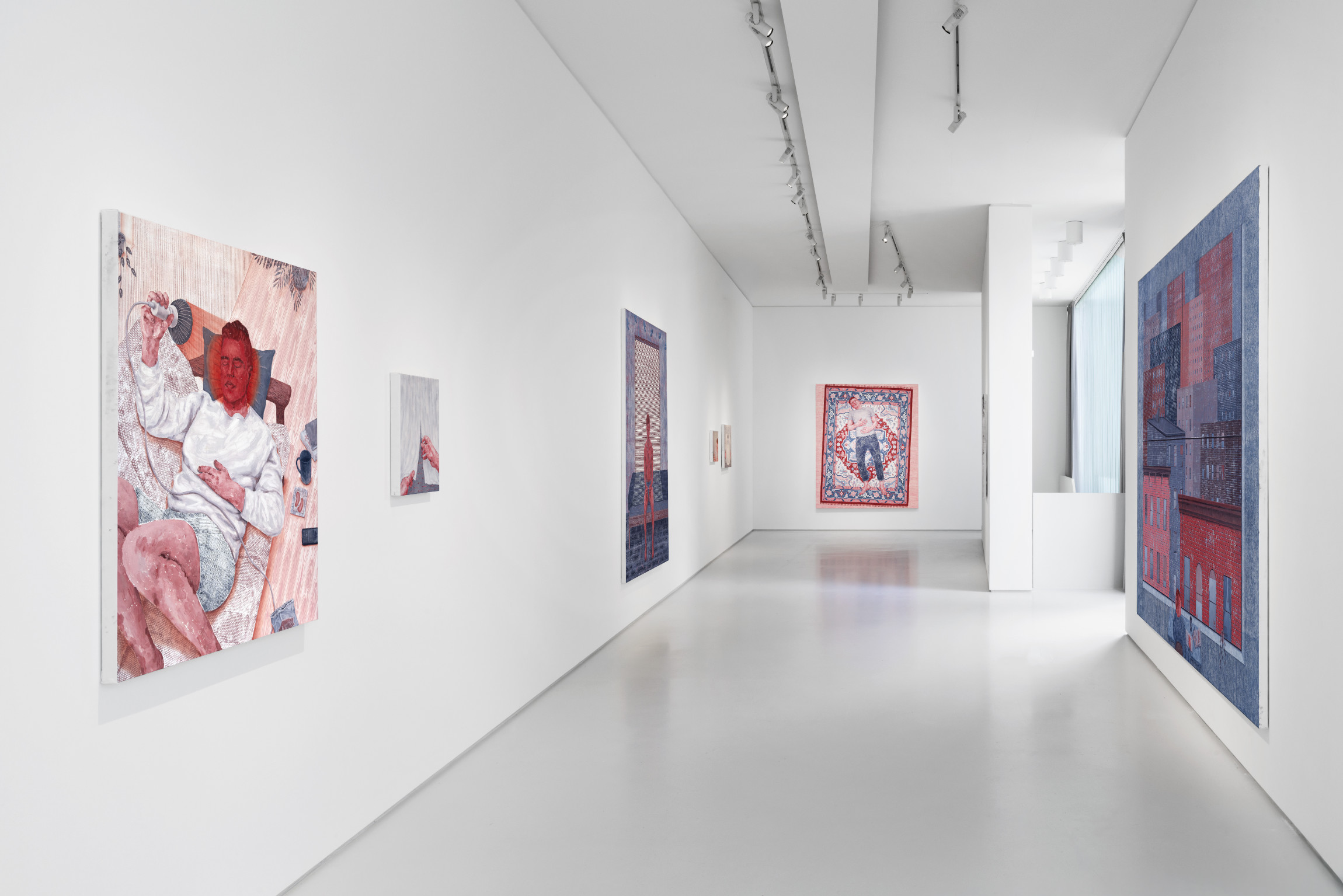
This is to say that we do not truly know the inner condition of a person, especially when granted only a fragmentary glimpse. We are taught that joy must be expressed through laughter, in company, and in bright colors. Anything that diverges from this is categorized as sad or lonely. Yet joy also exists in solitude and in muted tones. It is precisely this ambivalence of inner life that Lupton addresses in his domestic scenes: a man in the bathtub (Unmoor, 2025); someone lying on a sofa attempting to counter the winter with a red-light lamp (Betterment, 2026); a sock through which a large toe emerges (Sign of the Times, 2025).
These are moments of transition that Lupton captures—moments of quiet human transformation. Transformations we all experience daily: when we crawl out of bed to face the day; when we put on the layers that protect us from the world and its demands; when we perform the small rituals that provide structure and security. Lupton preserves the resonance of these transitions, these continuous shifts, in his paintings.
– Laura Helena Wurth
Video
Exhibition Tour
Video Art/Beats