Nikification. Niki de Saint Phalle and Germany
Mercator Höfe
4 July – 22 August 2026
4 July – 22 August 2026


Text
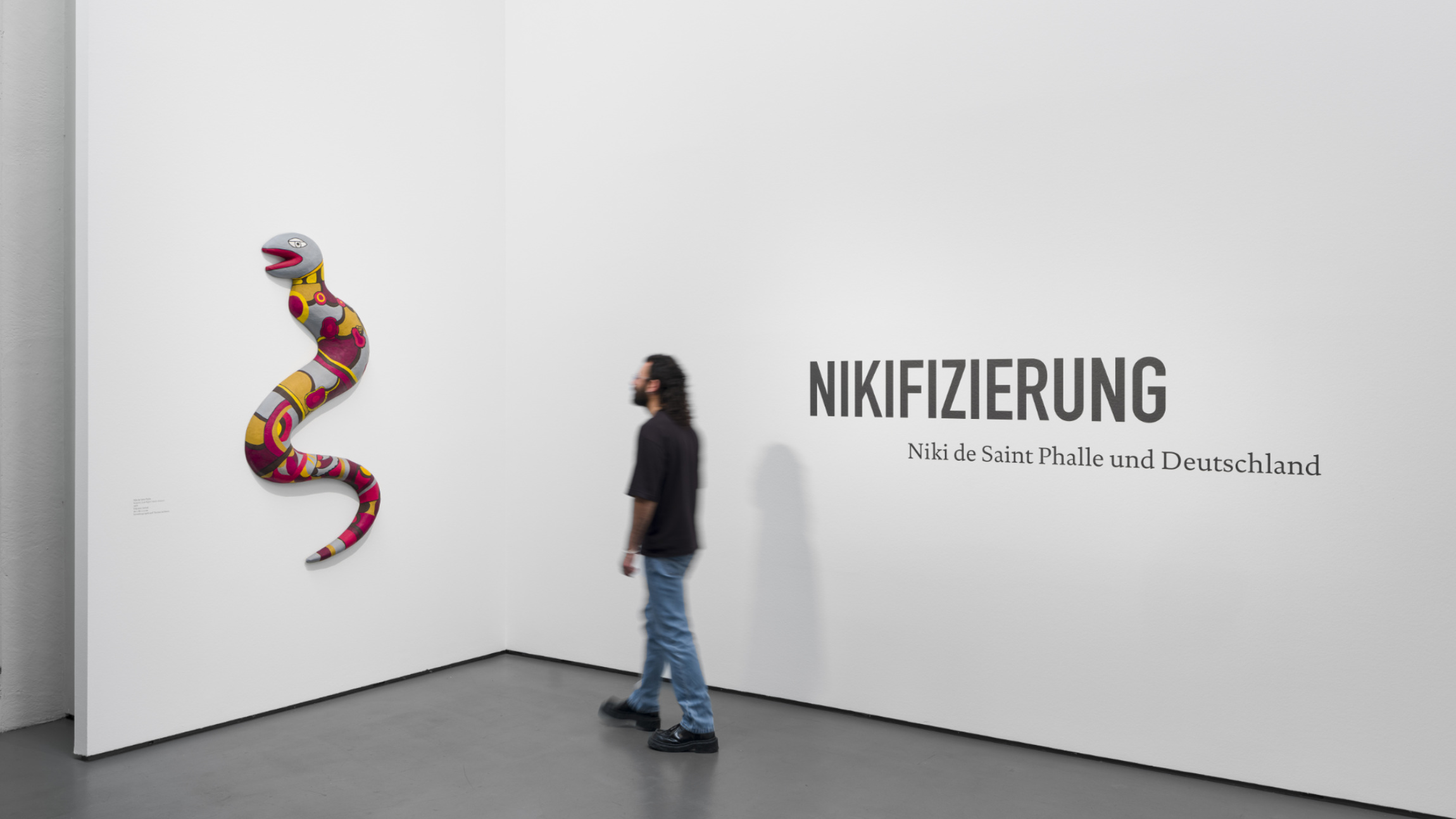
Galerie Judin is pleased to announce Nikification. Niki de Saint Phalle and Germany, the gallery’s first collaboration with the late artist‘s foundation.
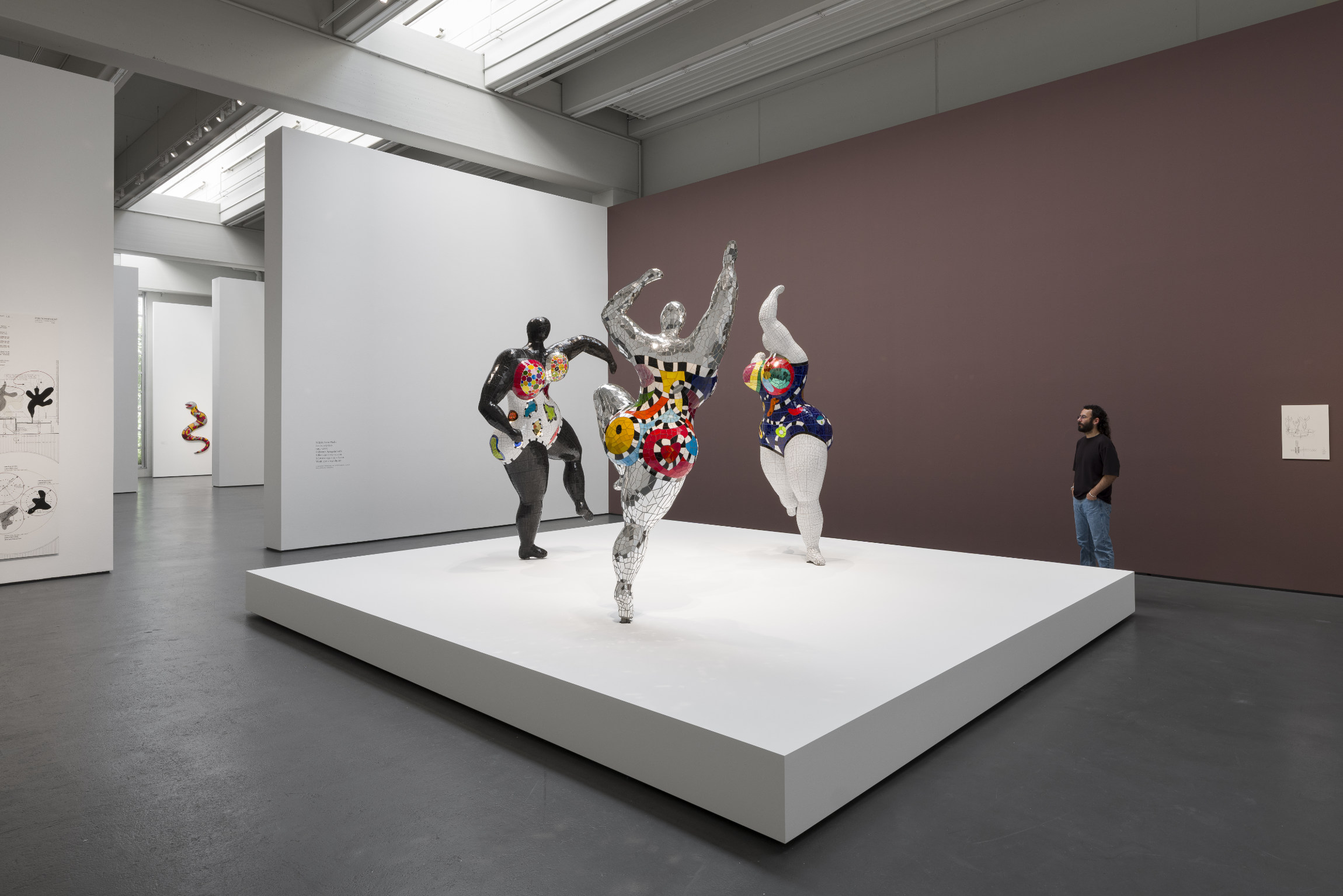
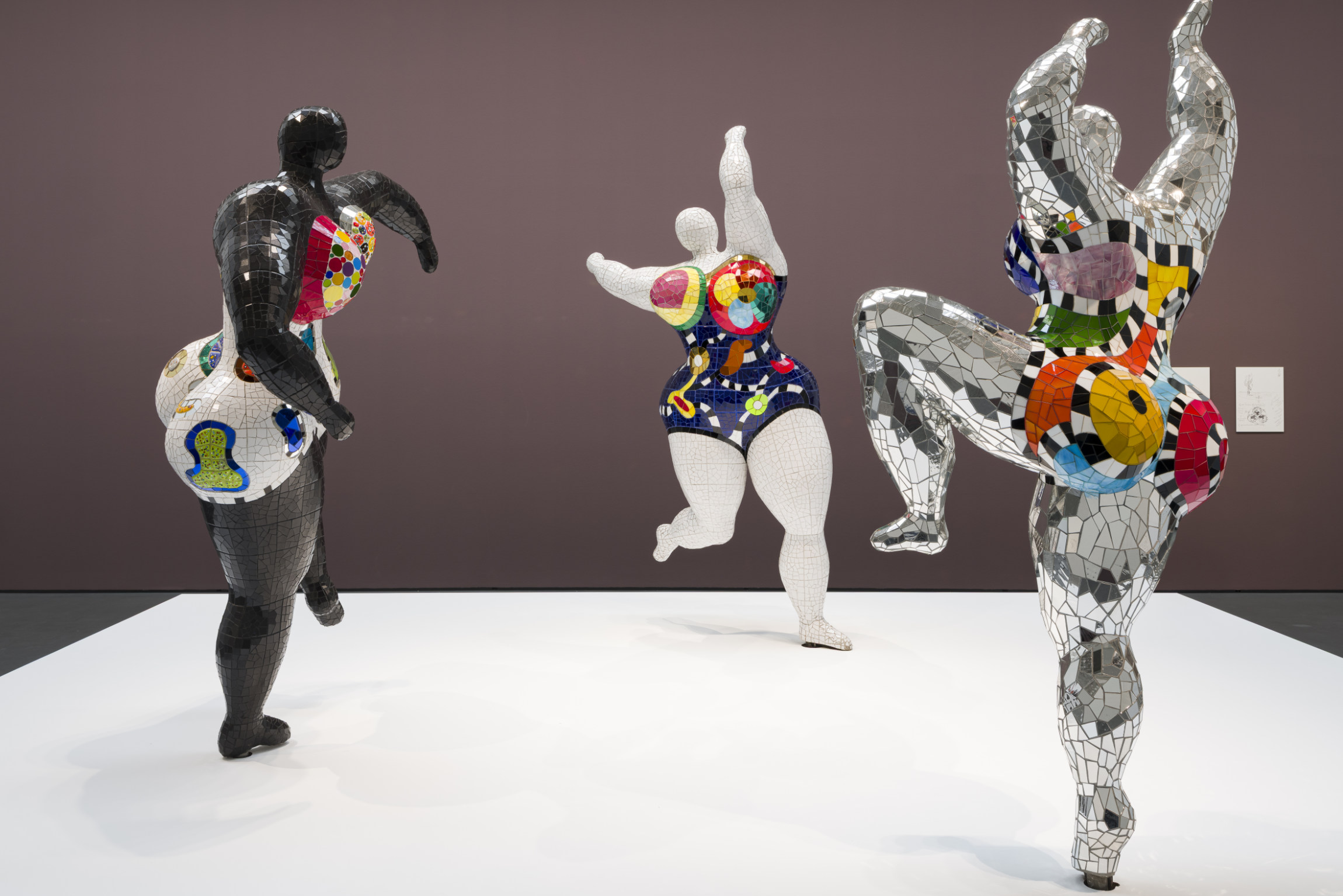
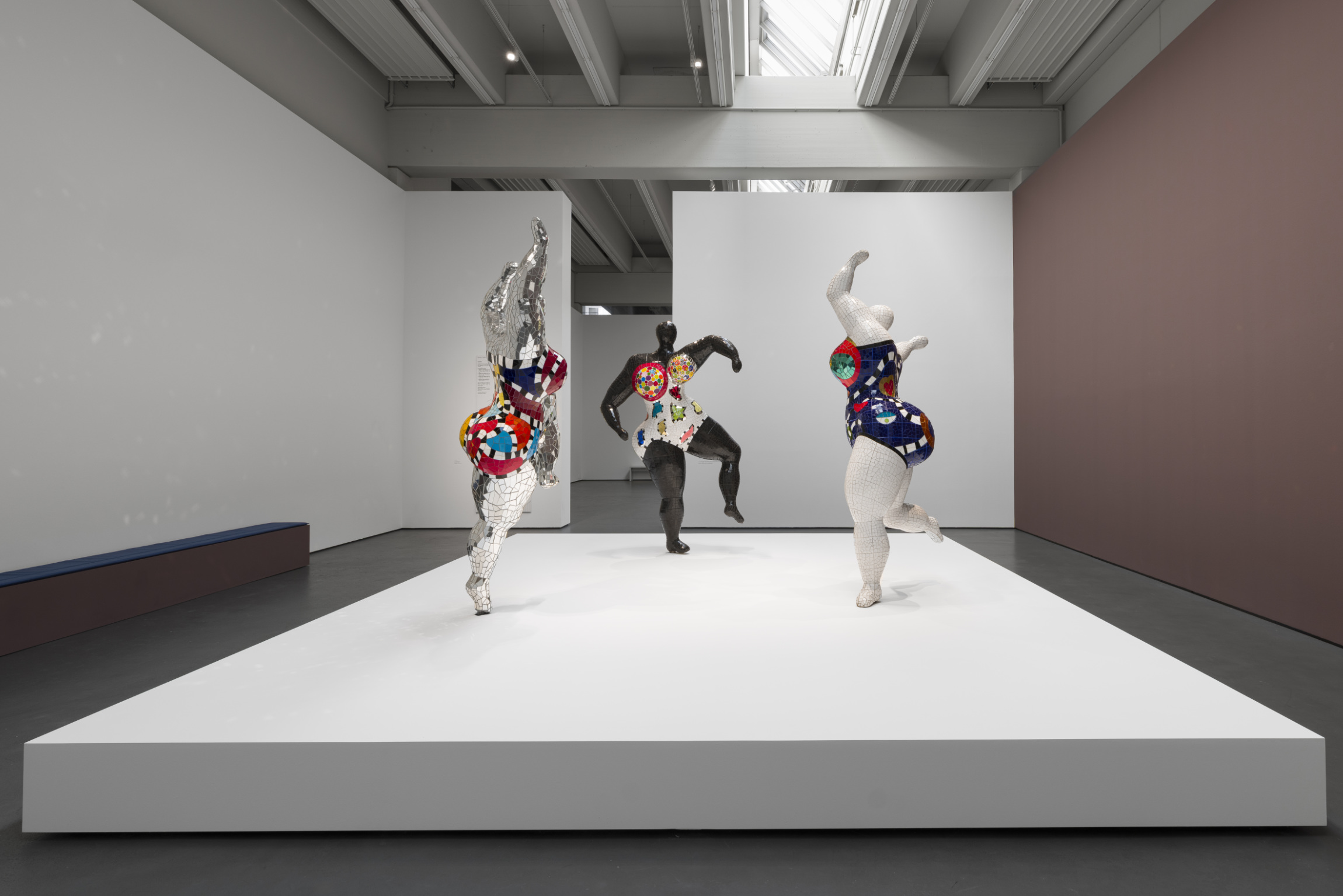
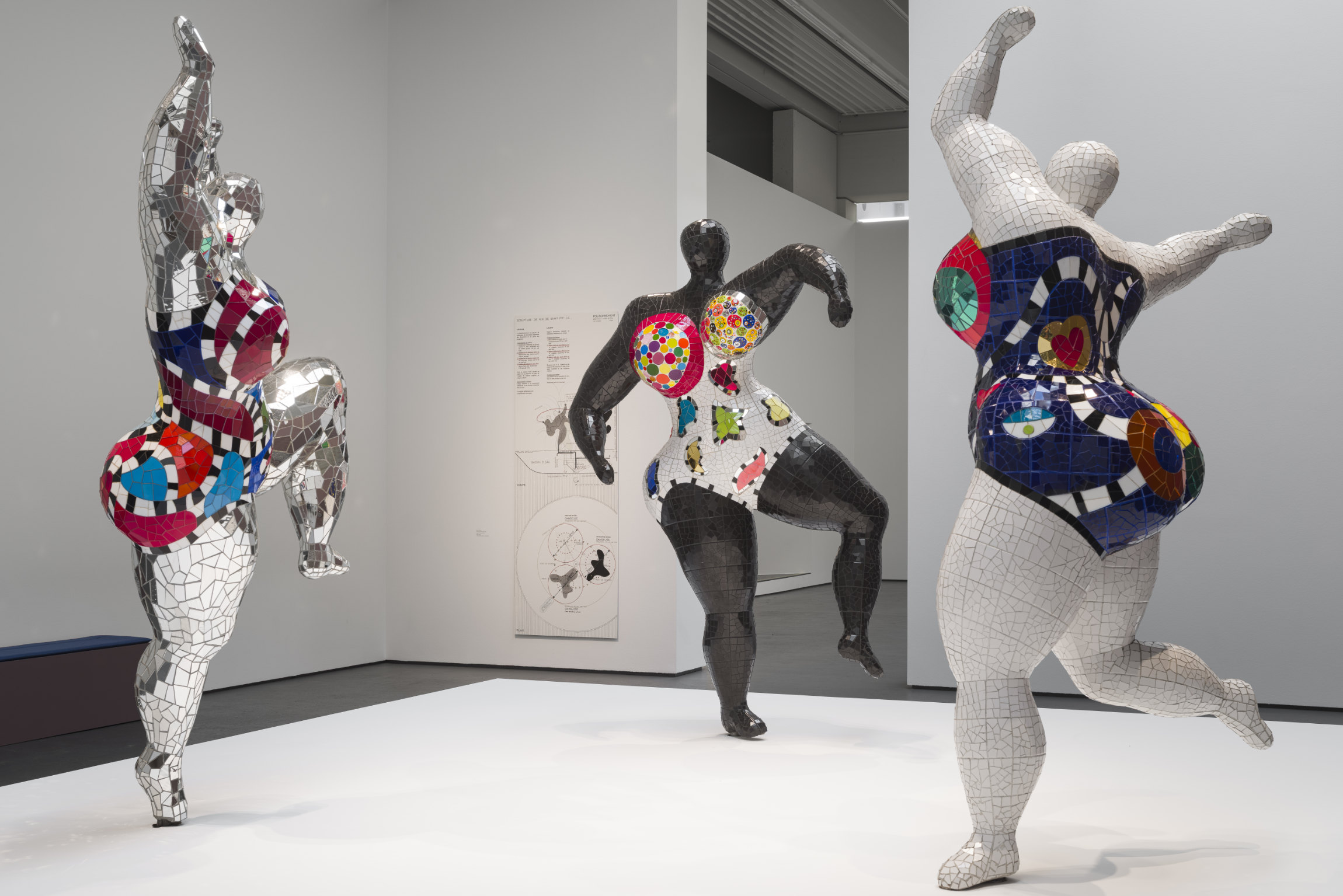
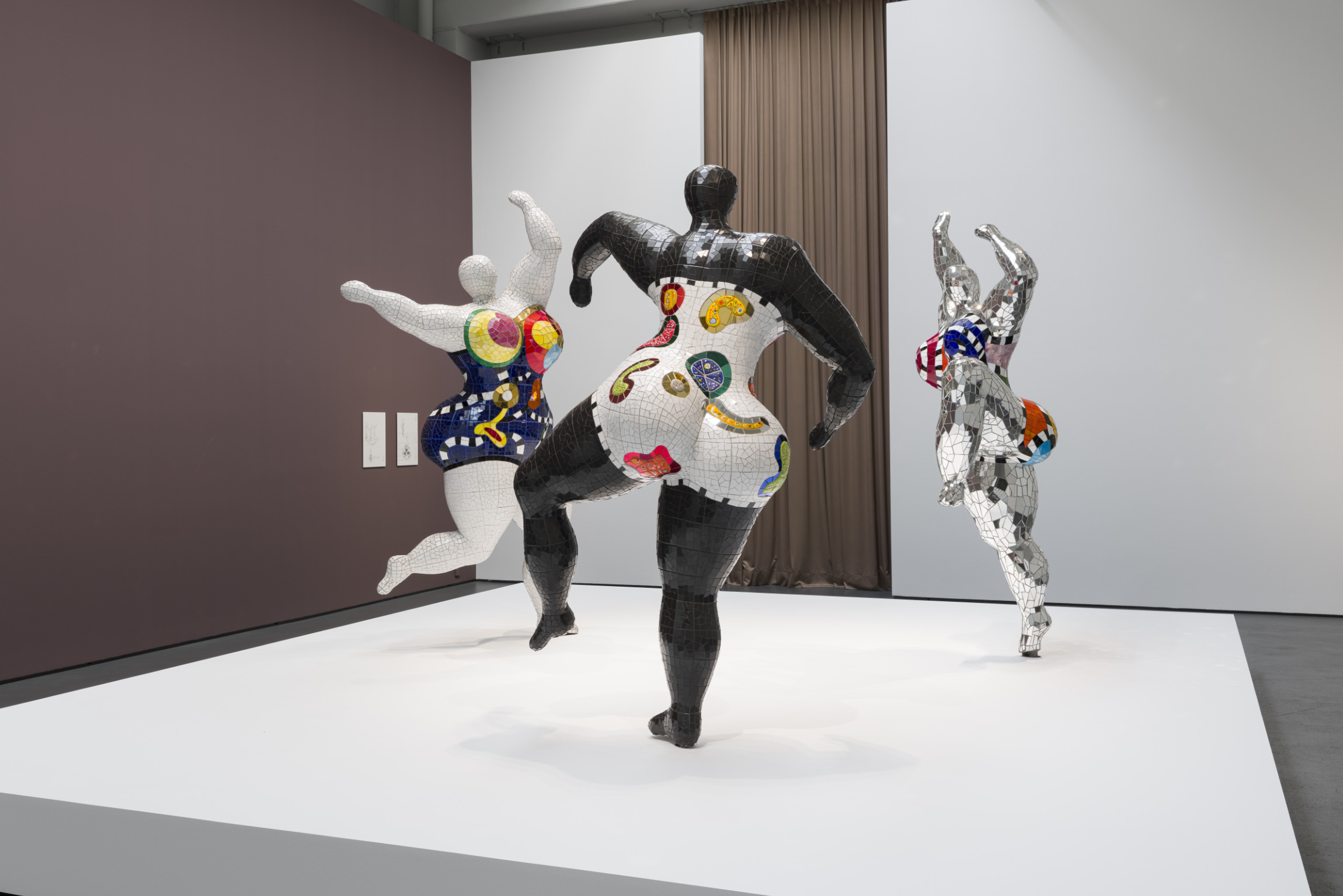
The exhibition offers a long-overdue debut: For the very first time, the Nana sculpture group Les Trois Grâces will be on view in Germany – intended by Niki de Saint Phalle as a monumental tribute to reunified Berlin. While this trio of Nanas is well known, so far, the impact Germany had on its creation was not. The spectacular Nana fountain was designed to transform Lützowplatz and was initiated by Karin Pott, who at the time was the director of Haus am Lützowplatz.
In a lengthy process that unfolded in the mid-1990s, Saint Phalle conceived three dancing Nanas, as allegories of Germany’s past, present, and future. The eminent Swiss architect Mario Botta designed a visionary plaza to accommodate them. Despite serious illness, the artist completed the figures as one of her final works. The installation, however, was never realized in Berlin – not least because of resistance within the city administration.
The Nana Fountain project would have formed both the capstone and culmination of the artist’s intense relationship with Germany.
At first glance, Saint Phalle and Germany do not come across as a natural fit. After all, the artist is primarily associated with France, the U.S., or Switzerland. And yet it was Germany, particularly, that played a decisive role in her artistic development.
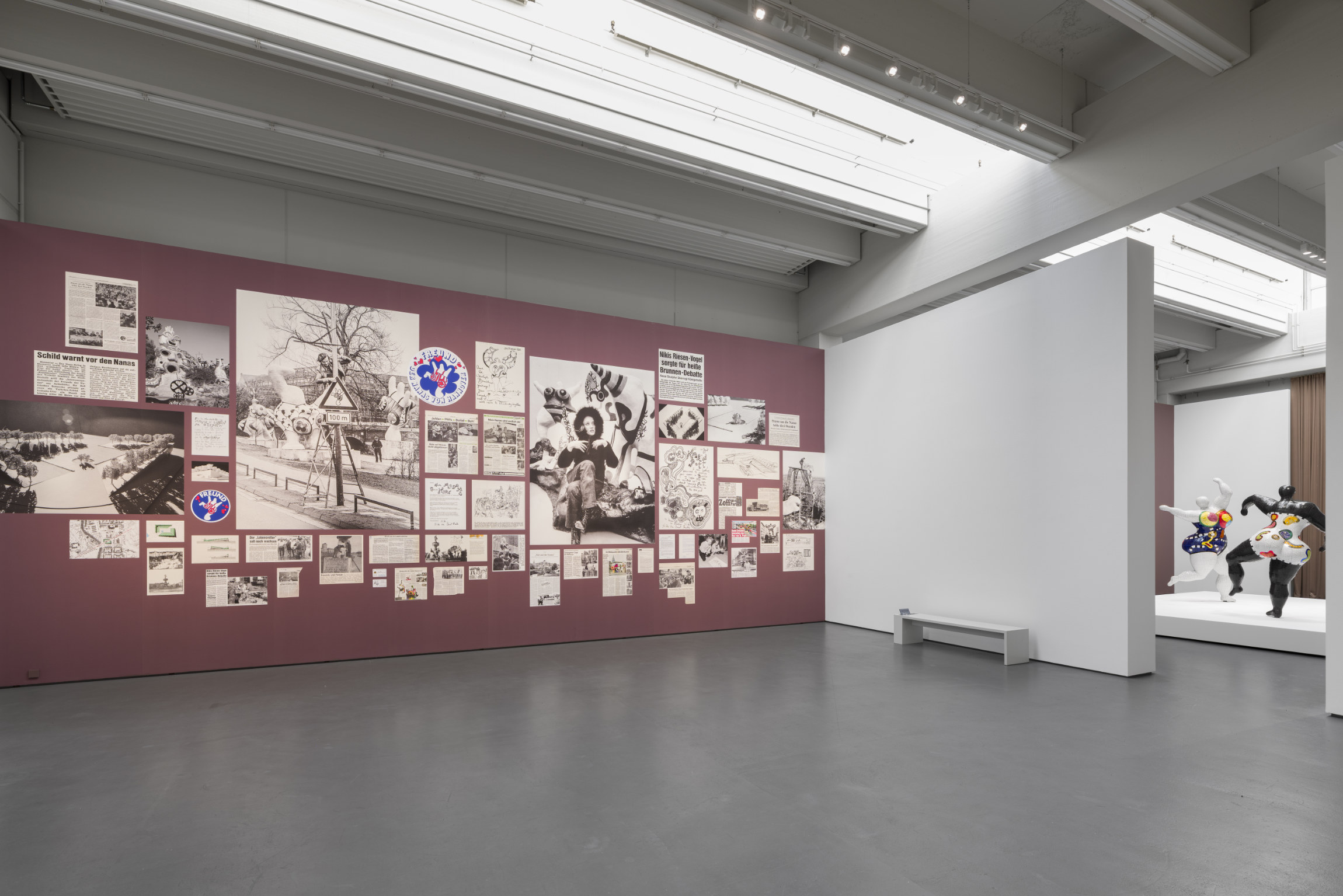
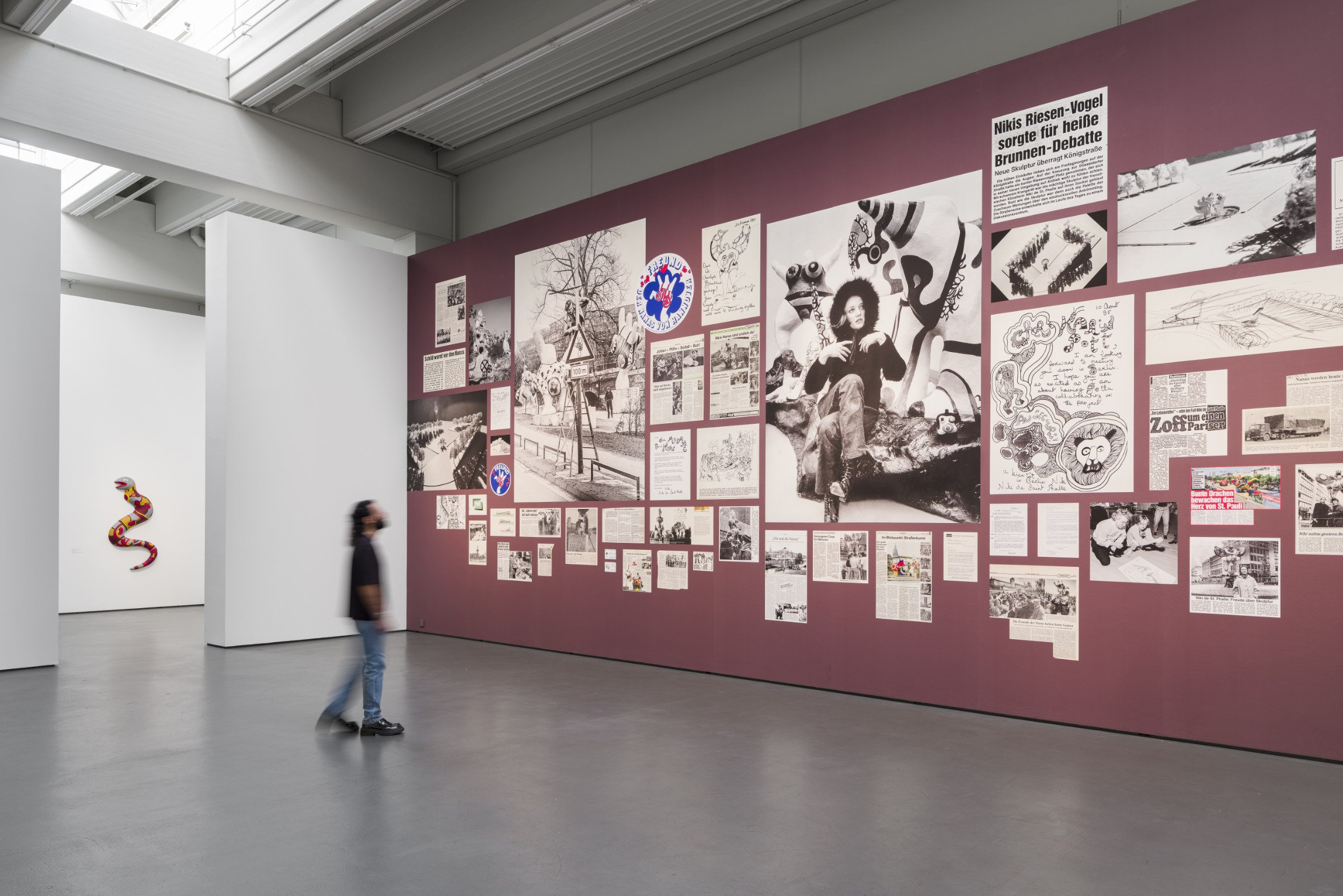
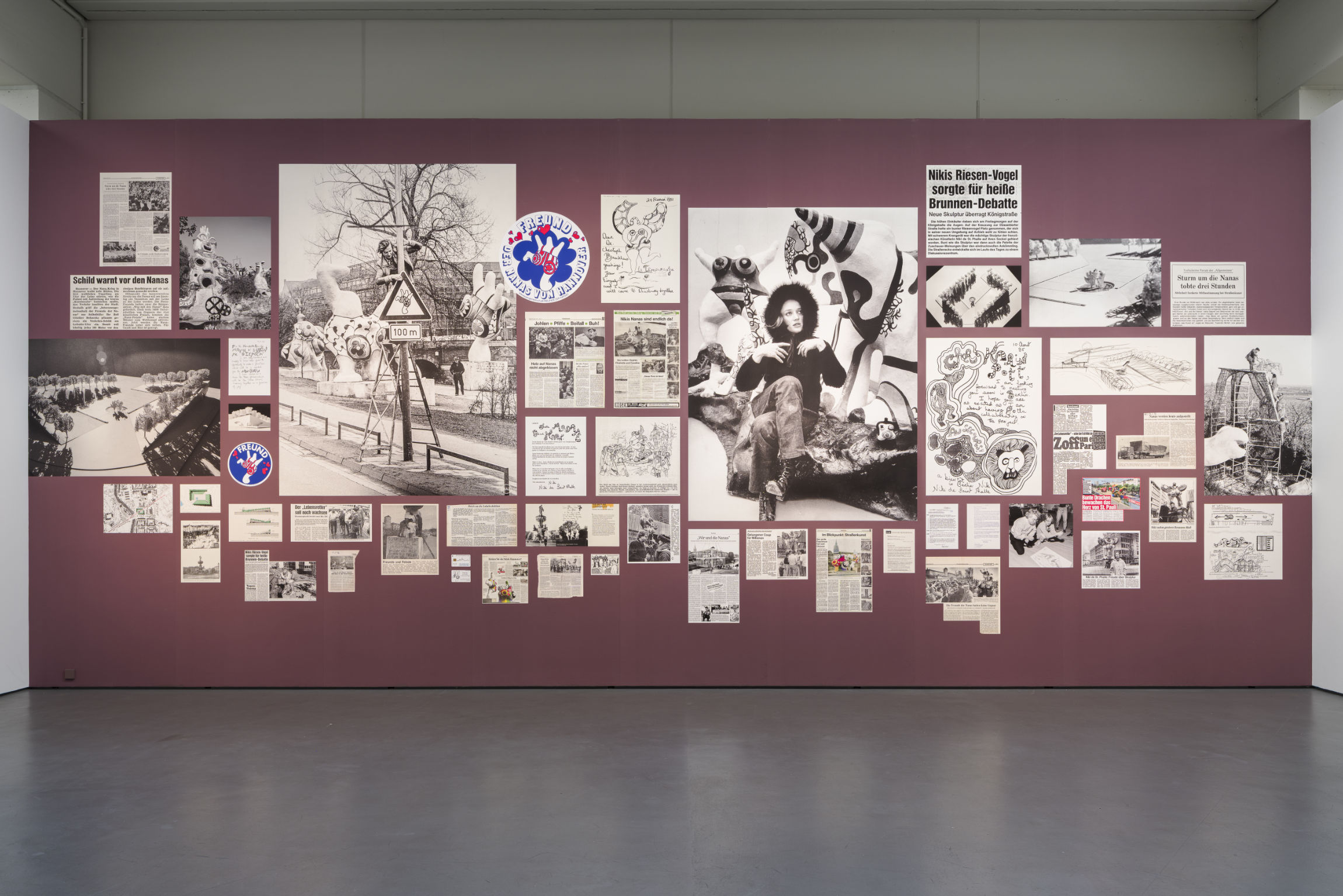
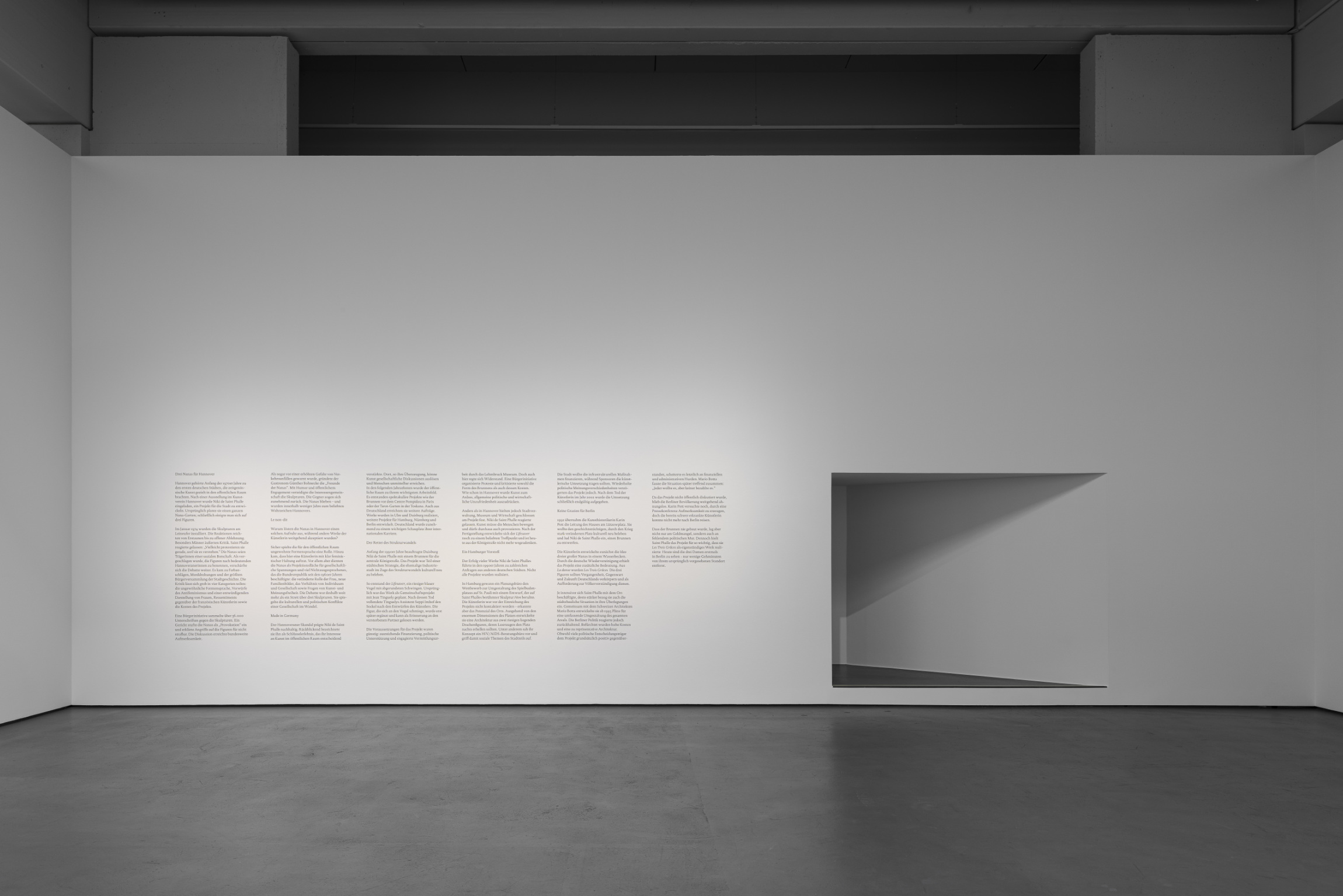
When in the 1970s the city of Hanover commissioned the artist to create three monumental Nanas for public deployment, this sparked one of the testiest art scandals in German postwar history, with bitter disputes raging for months. There were paint attacks, death threats, and a petition with 36,000 signatures against the erection of the sculptures on the banks of the river Leine. And it was precisely this resistance that became a turning point for Saint Phalle. Art in the public space became the central focus of her artistic practice. Art should make social conflicts visible – not in the confines of a museum, but in the midst of urban life.
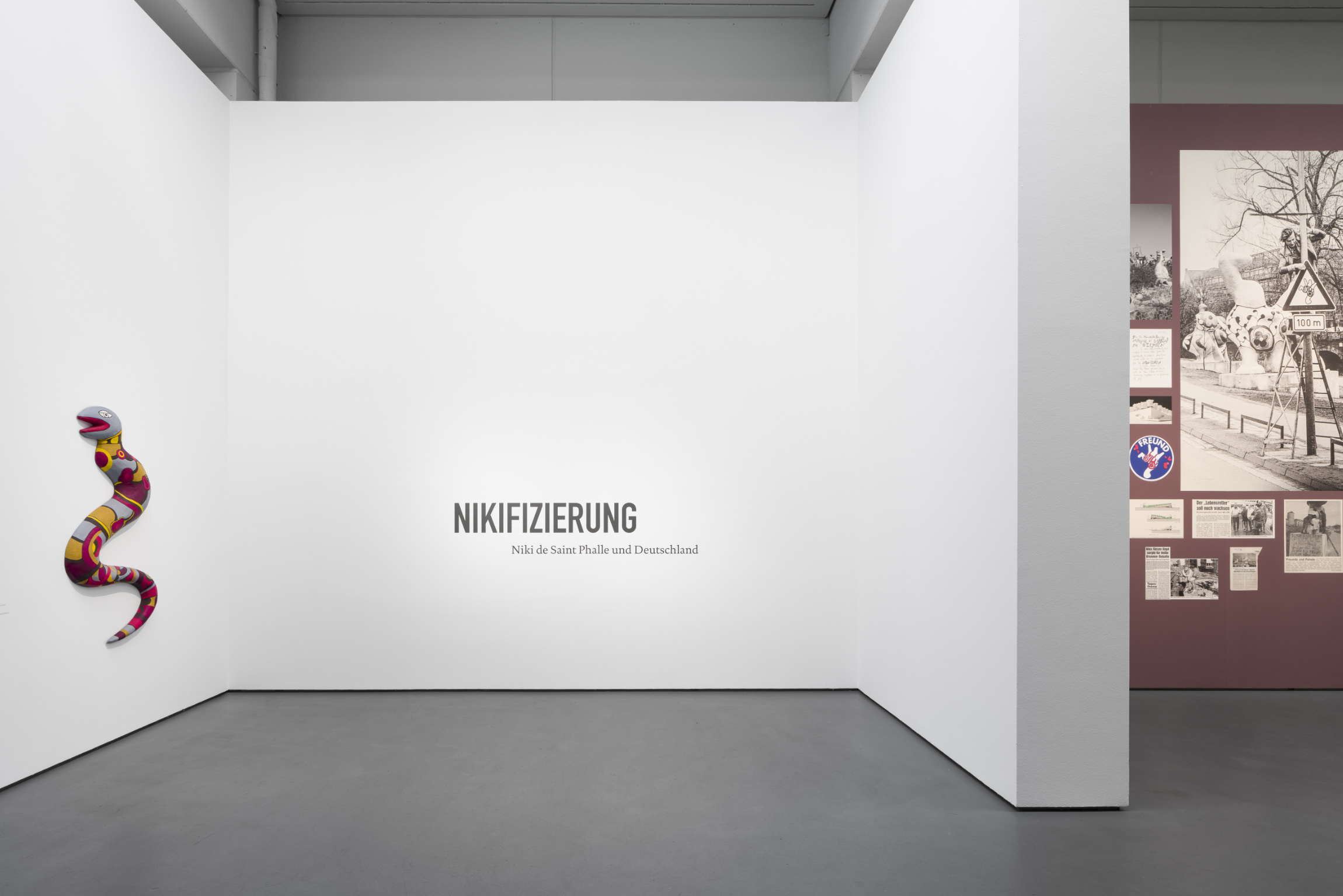
This realization led to major international projects such as the Stravinsky Fountain next to the Centre Pompidou, and also further works in Germany. In addition to projects in Ulm and Duisburg, two significant designs emerged in the 1990s: for Hamburg’s Spielbudenplatz and the Nana Fountain for Berlin’s Lützowplatz. Germany, like many other countries, had finally succumbed to the artist’s charm. The exhibition documents this “nikification” (Jean Tinguely) with a wealth of archival material. It also aims to demonstrate why this spectacular trajectory was largely overlooked by art history. Because of her colorful Nanas and not least because she was a woman, Niki de Saint Phalle was not recognized as a serious artist for a long time. It is high time to change that and to examine the complex relationship between Niki de Saint Phalle and Germany.
The exhibition is presented in collaboration with the Niki Charitable Art Foundation. It will be accompanied by a catalogue published by Verlag der Buchhandlung Walther und Franz König.
Videos
Exhibition Tour
Video Art/Beats
Exhibition Tour
Video Art/Beats
Catalogue
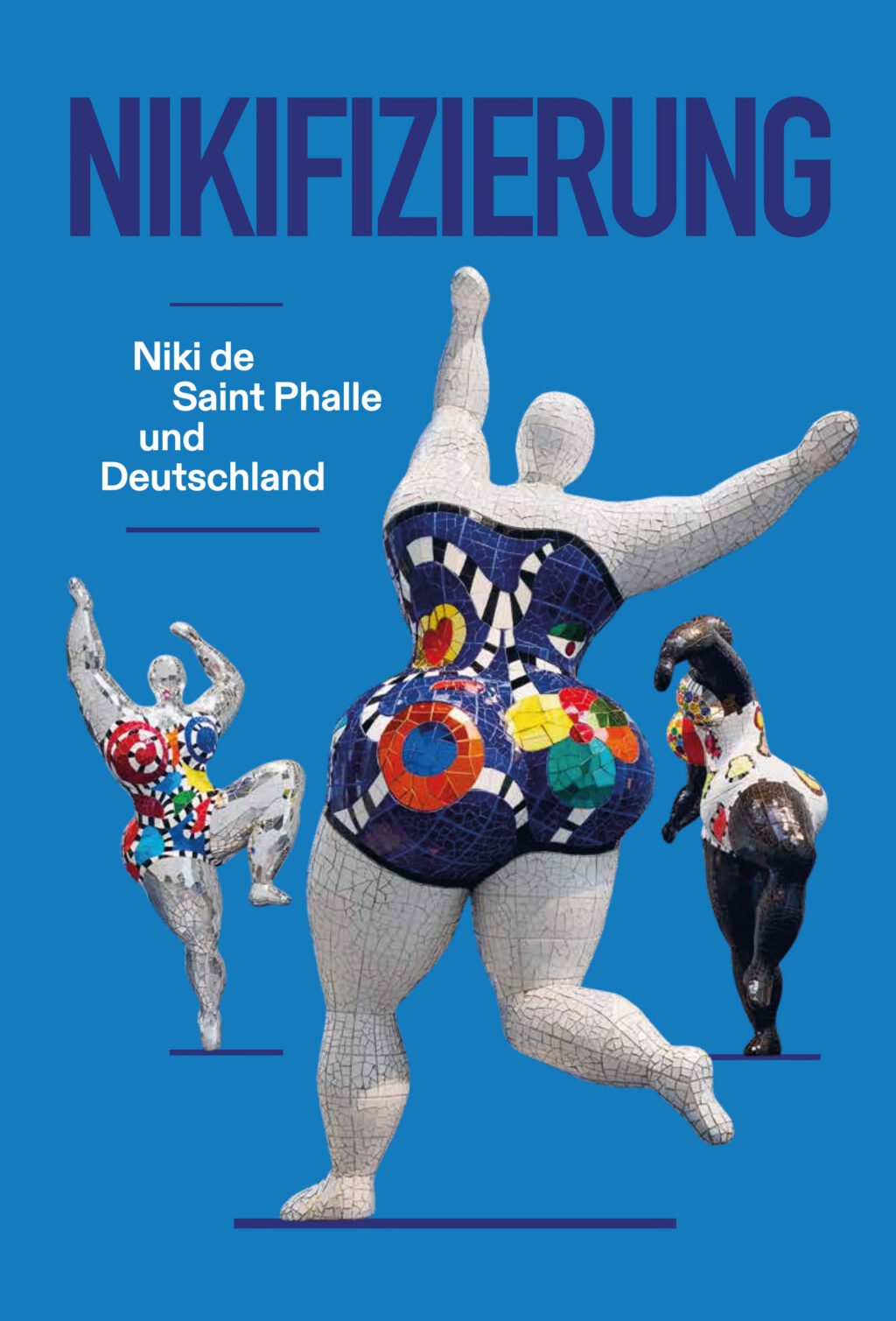
Nikifizierung. Niki de Saint Phalle und Deutschland
Edited by Juerg Judin and Pay Matthis Karstens
In German and English
190 × 280 mm
144 pages, softcover
45 color ill.
Published by Verlag der Buchhandlung Walther und Franz König, Cologne 2026
ISBN: 978-3-7533-0974-3
€ 29.80