Zilla Leutenegger
Plein soleil
Mercator Höfe
14 February – 4 April 2026
14 February – 4 April 2026


Works
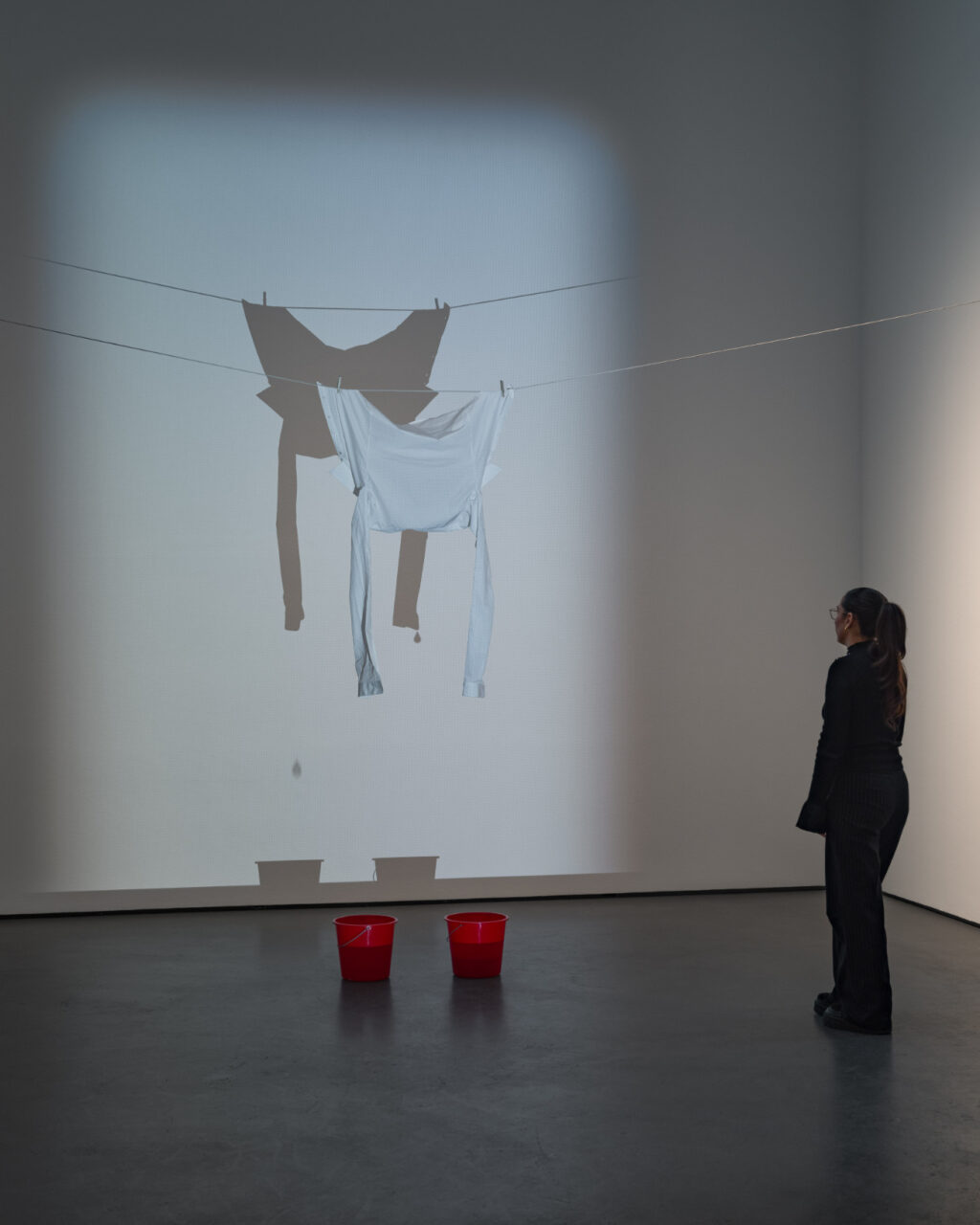
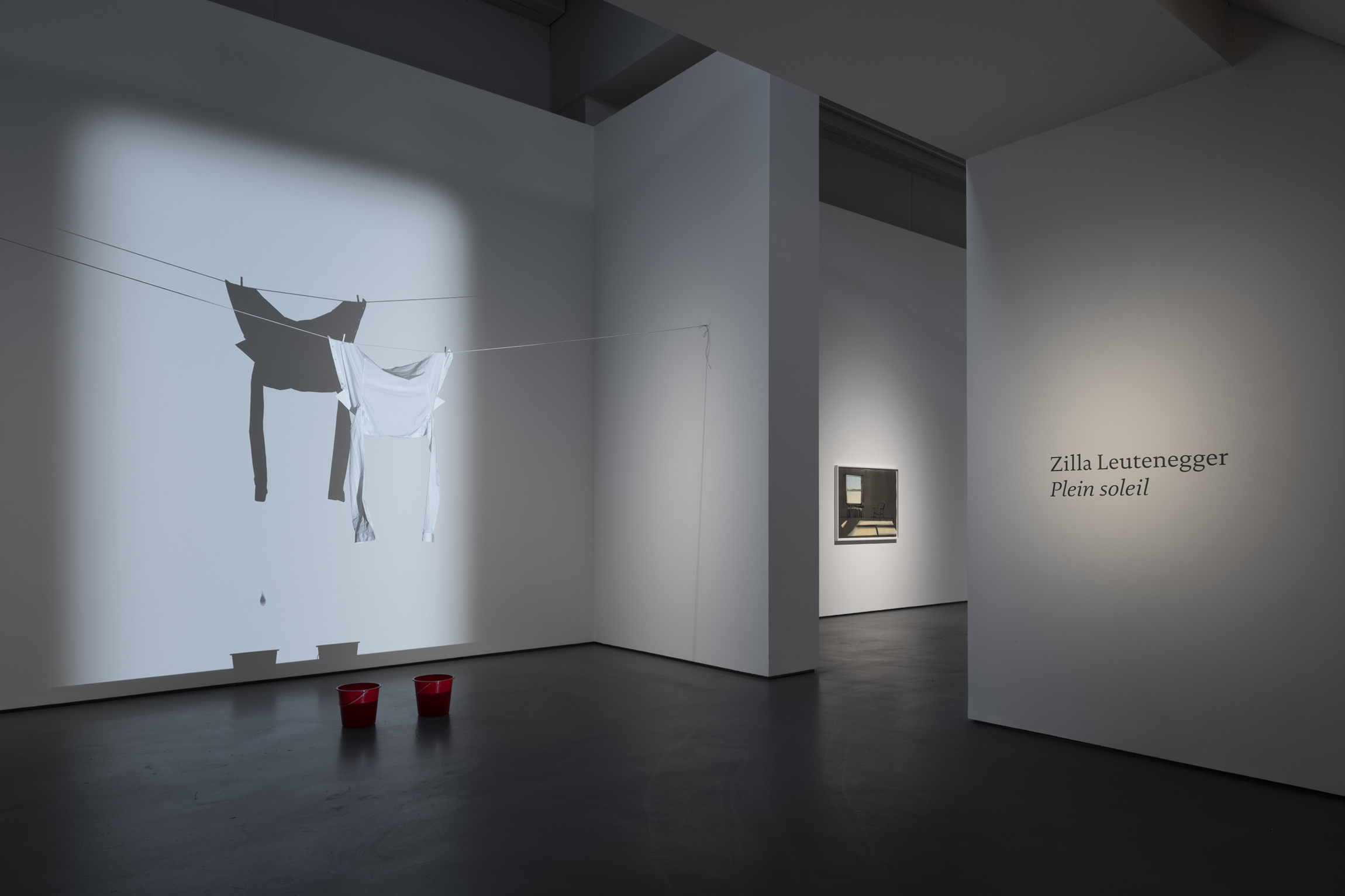
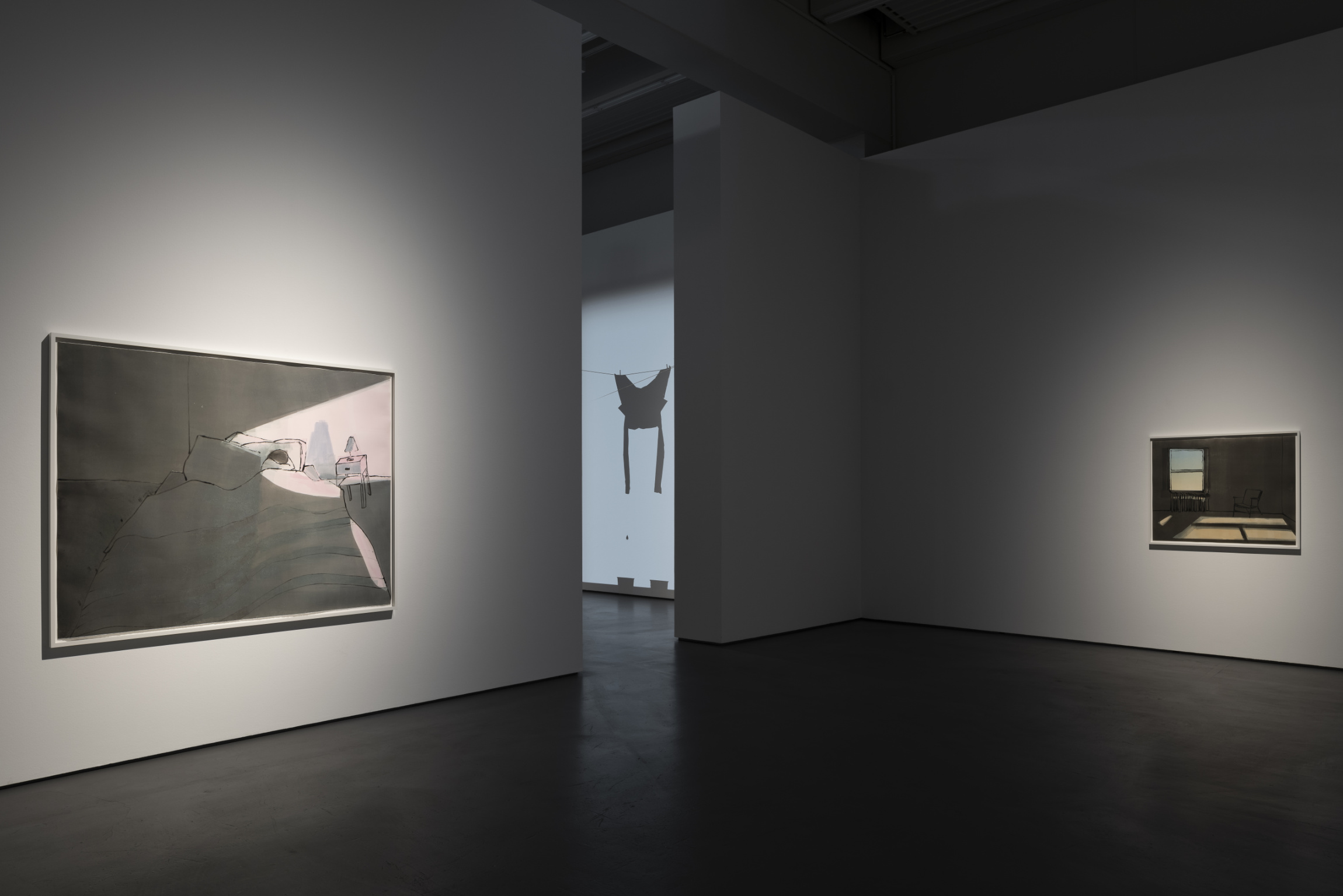
Clothesline
2026
Video installation; clothes, two clothes pins, two buckets, single channel video, b/w, sound, 2 min., loop
Edition 1/3 (+ 1 AP)
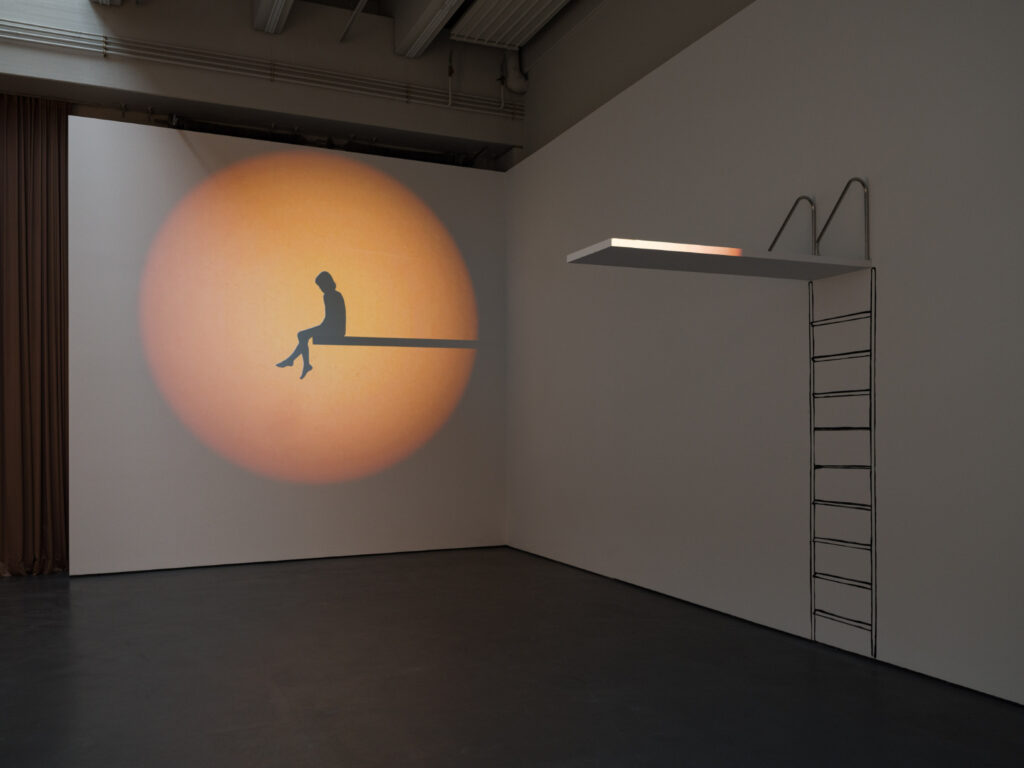
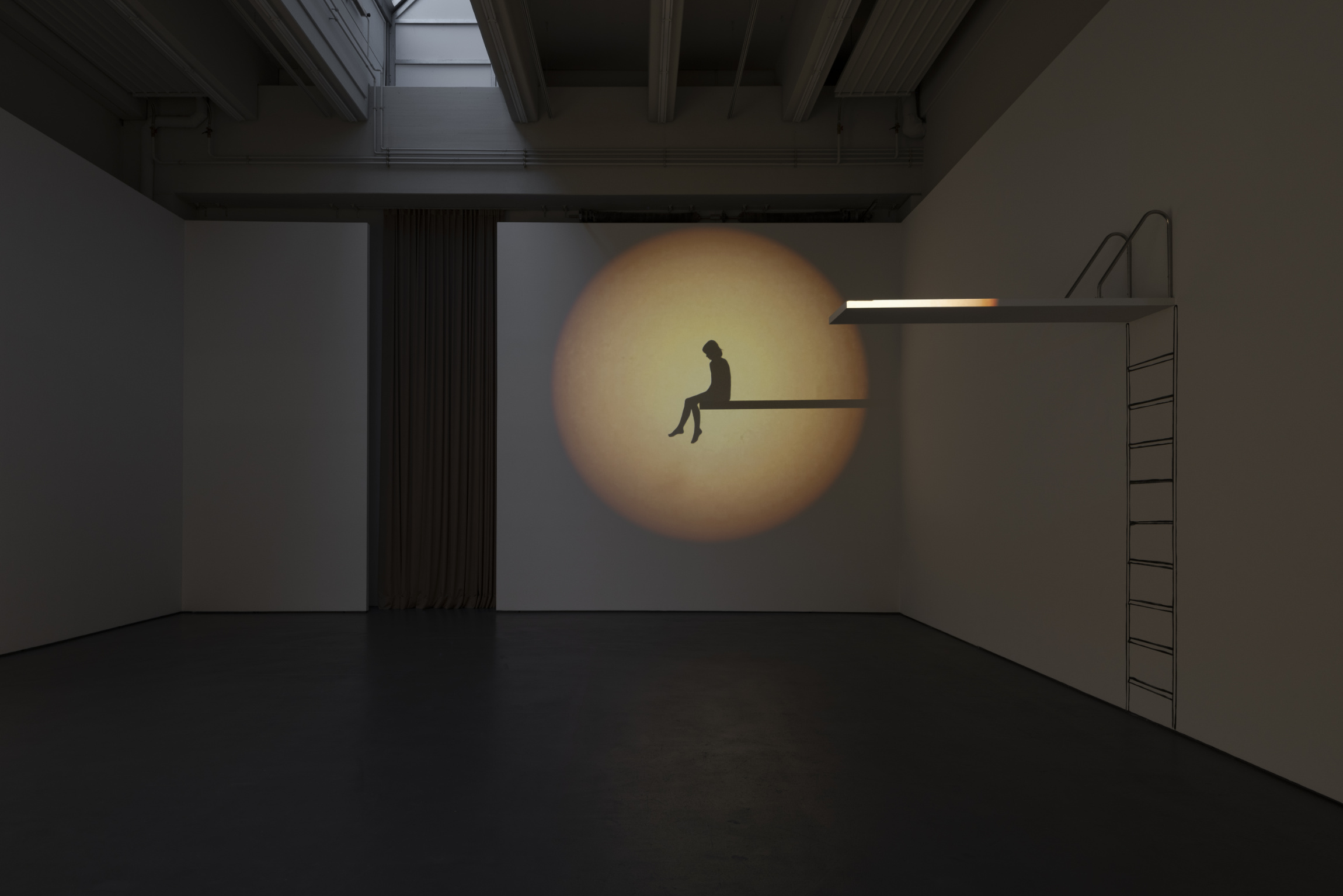
Plein soleil
2026
Video installation; wall drawing, wall object (metal and wood, 220 × 75 × 60 cm), single channel projection, color, 4 min., loop
Variation 1/ 3 (+ 1 AP)
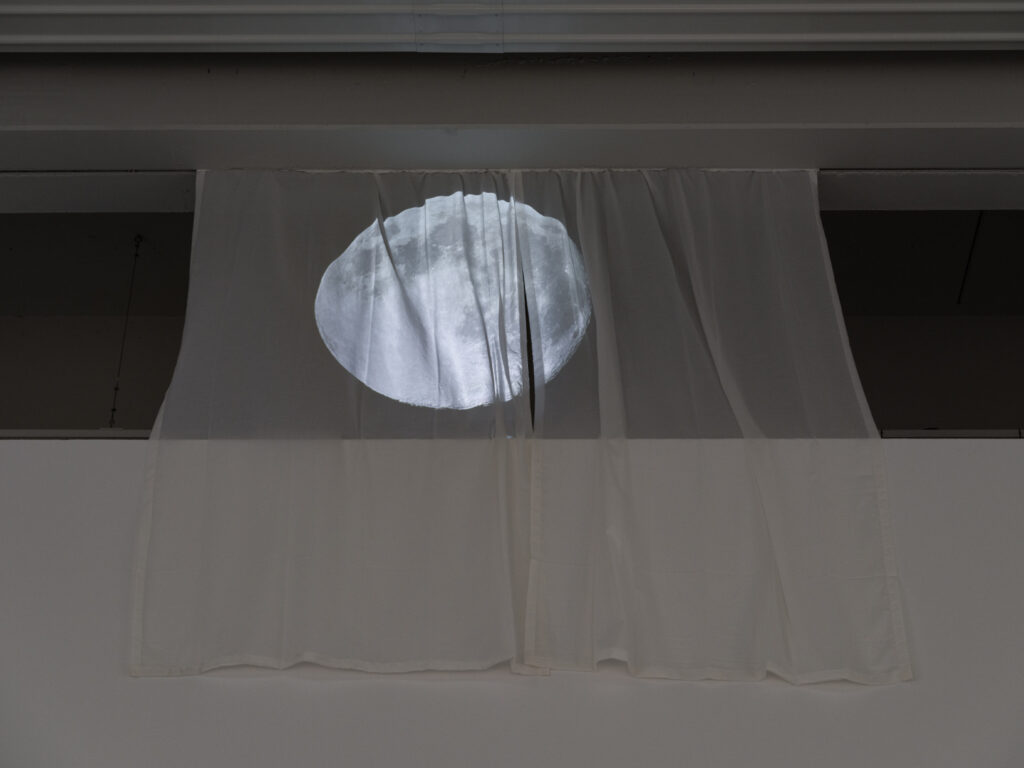
Curtain Moon
2026
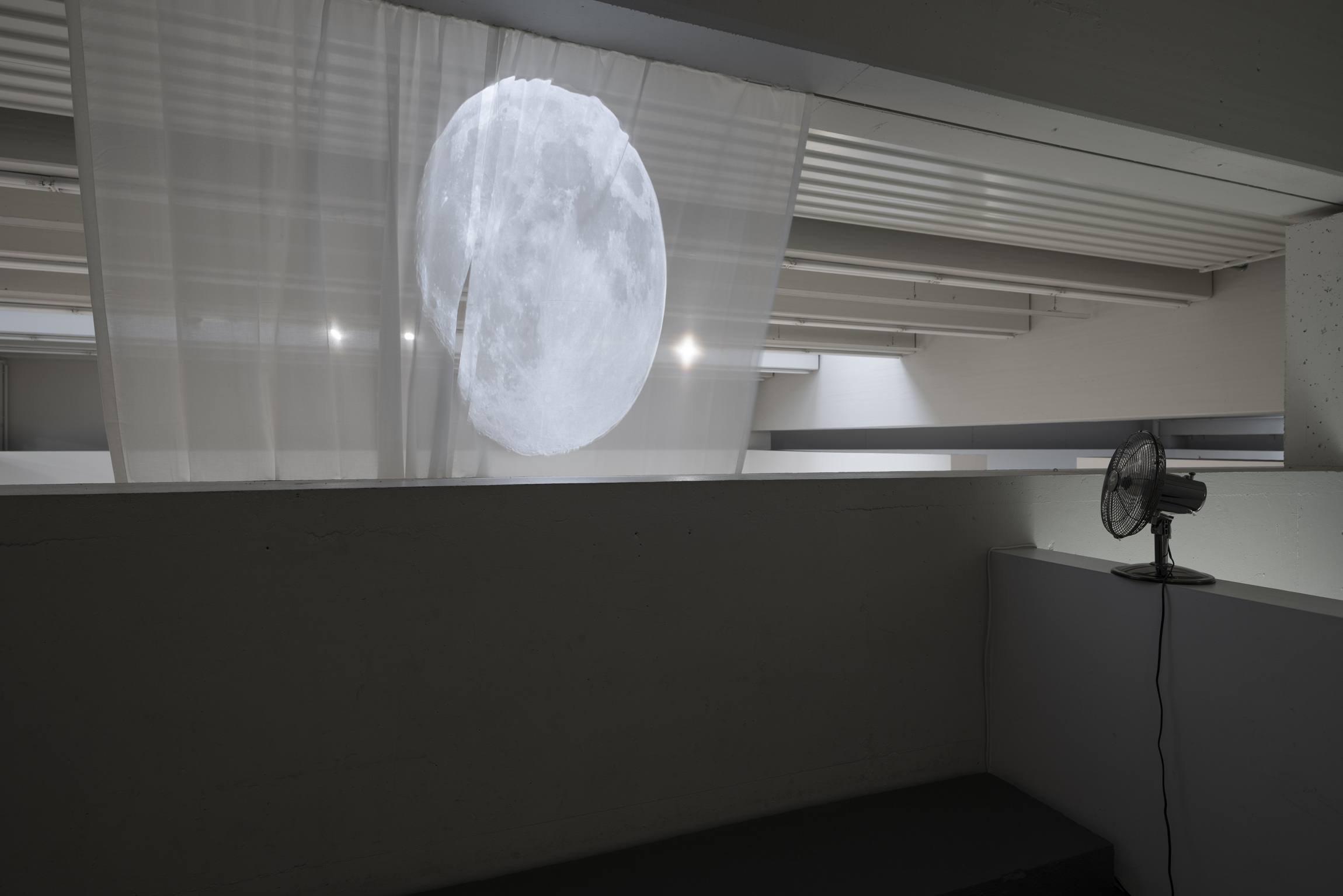
Video installation; two curtains (140 × 270 cm each), ventilator, single channel projection, rear projection, b/w, 2 min., loop
Edition 1/3 (+ 1 AP)
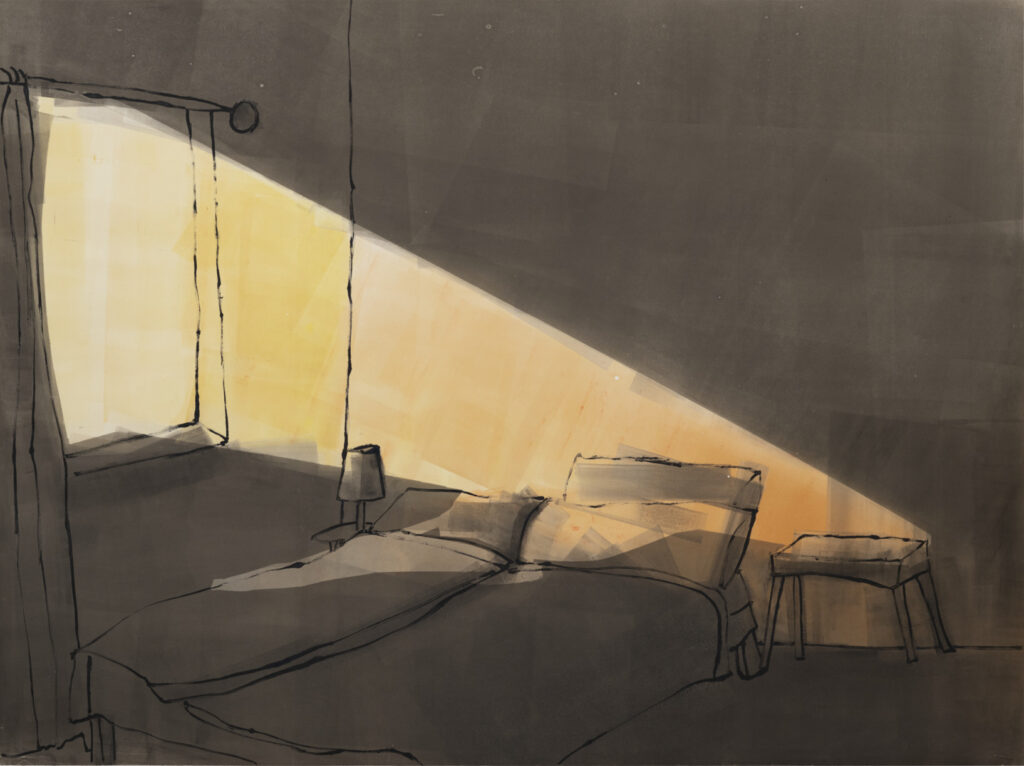
Sunday Morning
2025
Oil on cotton paper
153 × 204 cm
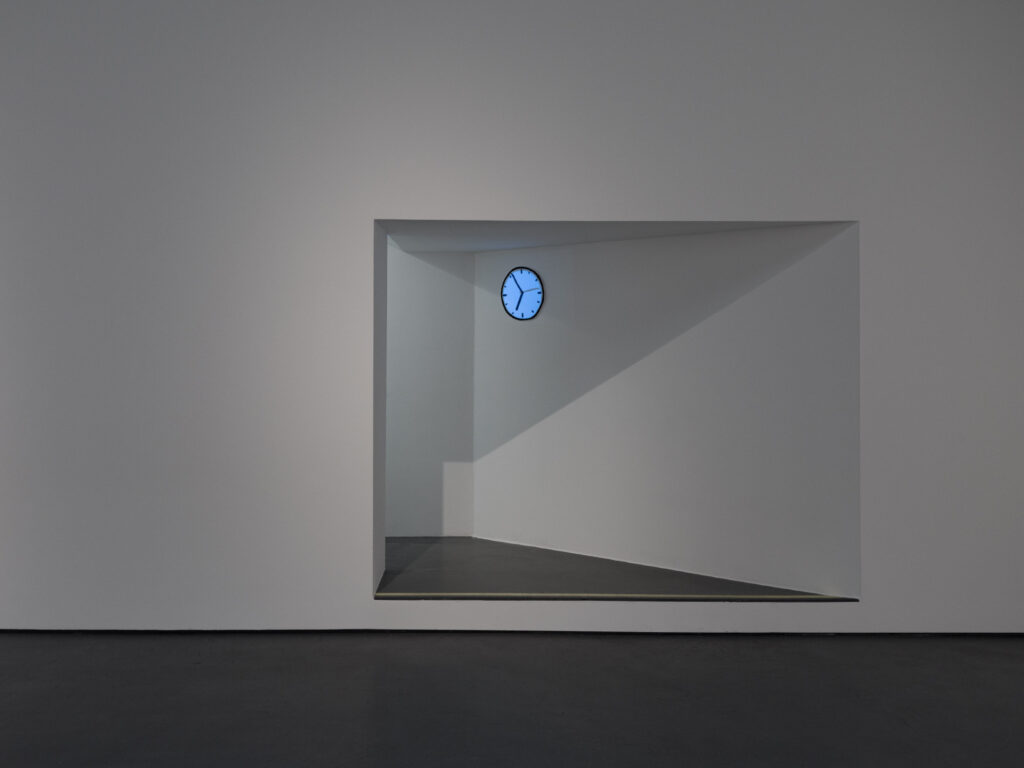
L’heure bleue
2026
Video installation; painted wall object (wood, 38 cm diameter), projection, color, sound, 10 min., loop
Edition 1/3 (+ 1 AP)
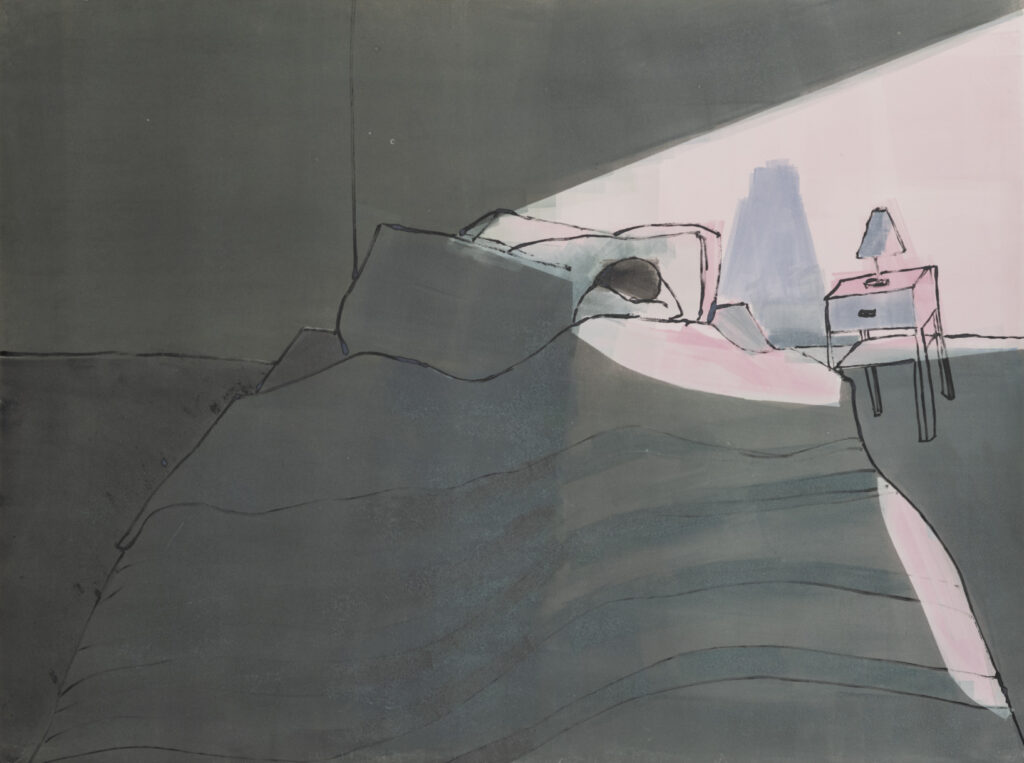
Big Sleep
2025
Oil on cotton paper
153 × 204 cm
 Show more works
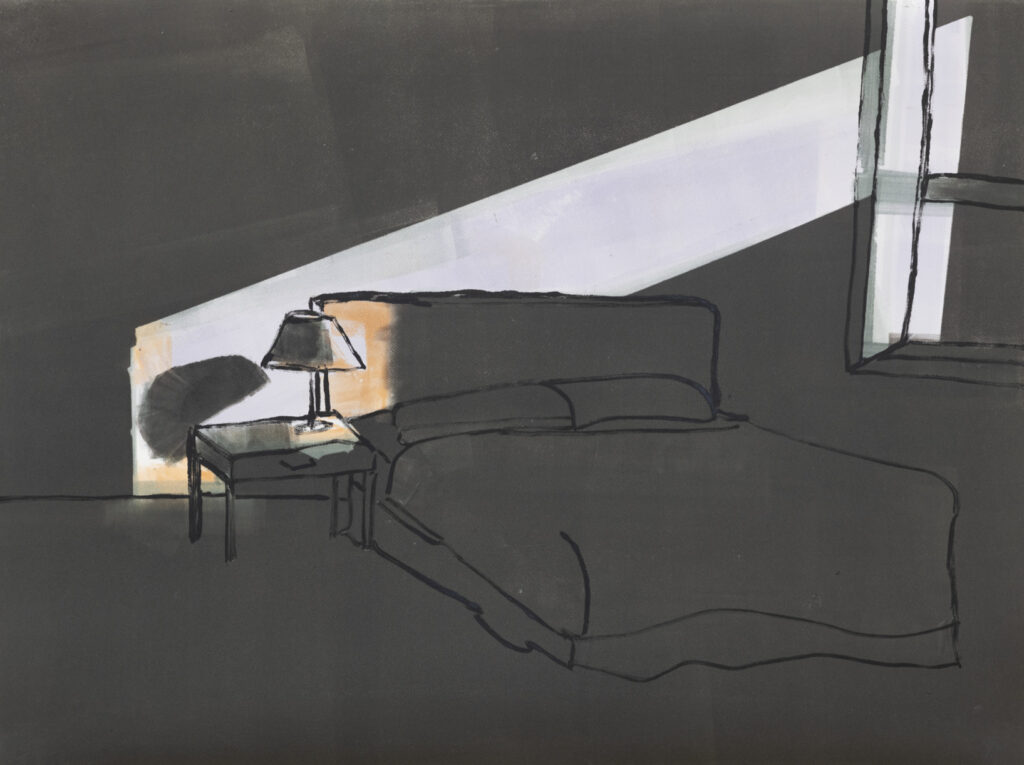
White Night
2025
Oil on cotton paper
93 × 124 cm
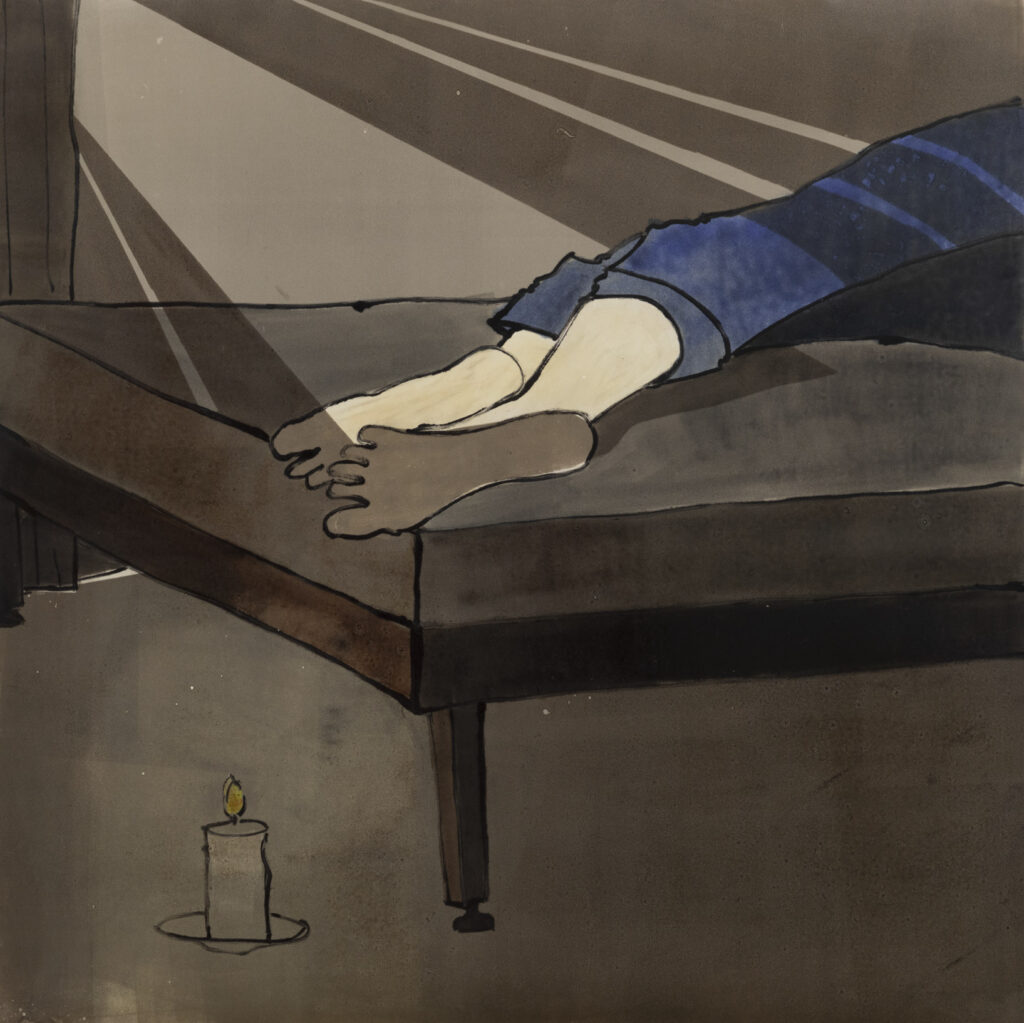
Kalte Füsse
2025
Oil on cotton paper
153 × 153 cm
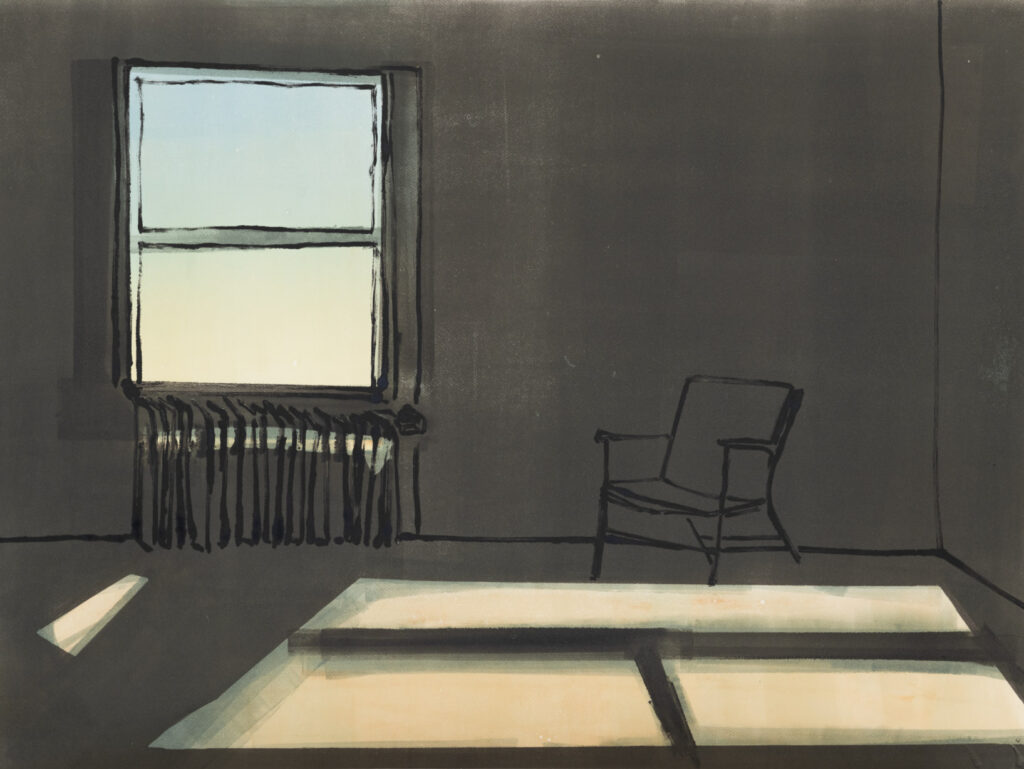
Soon Noon
2025
Oil on cotton paper
93 × 124 cm
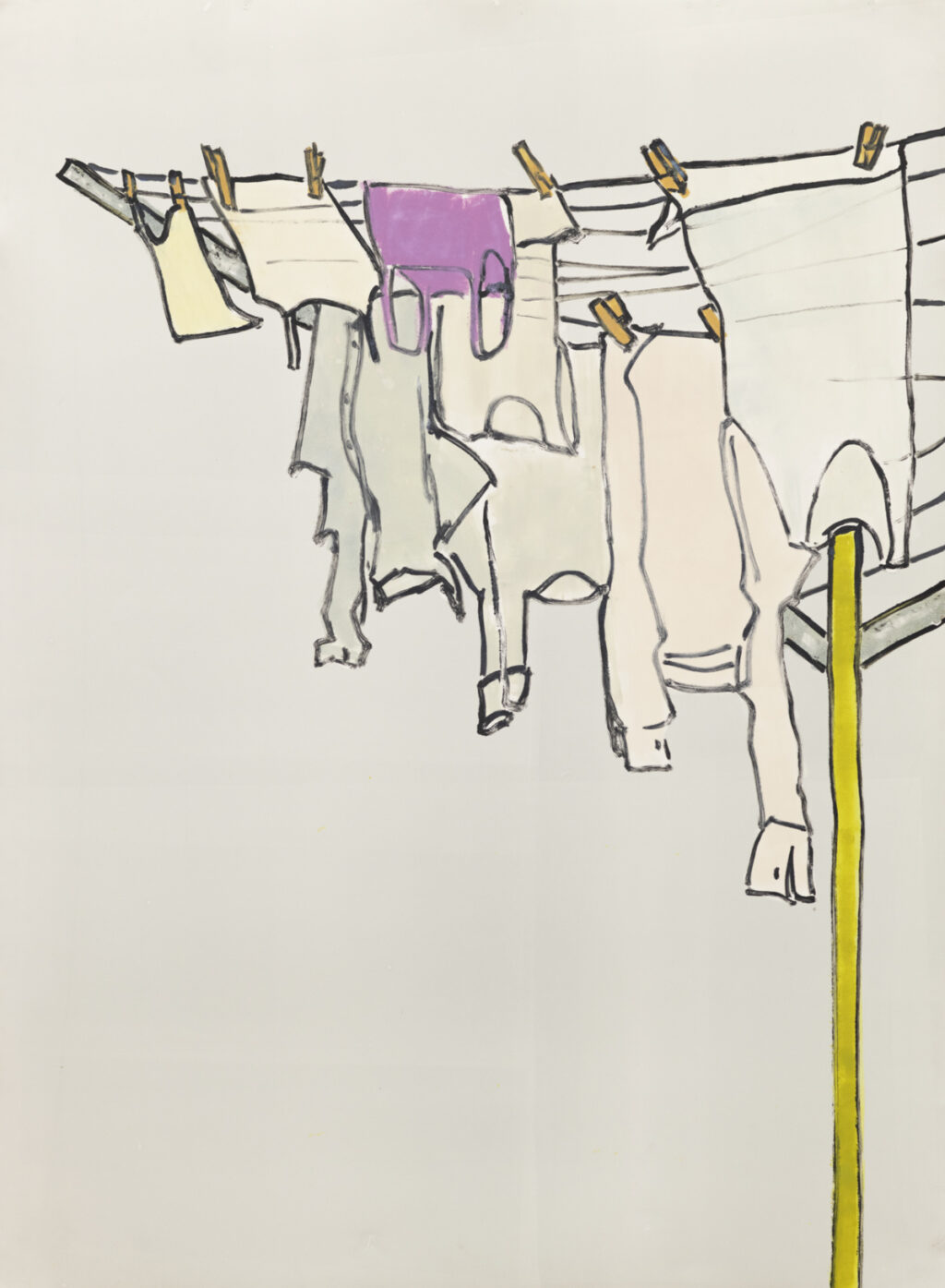
Wäschespinne 2
2025
Oil on cotton paper
135 × 99 cm
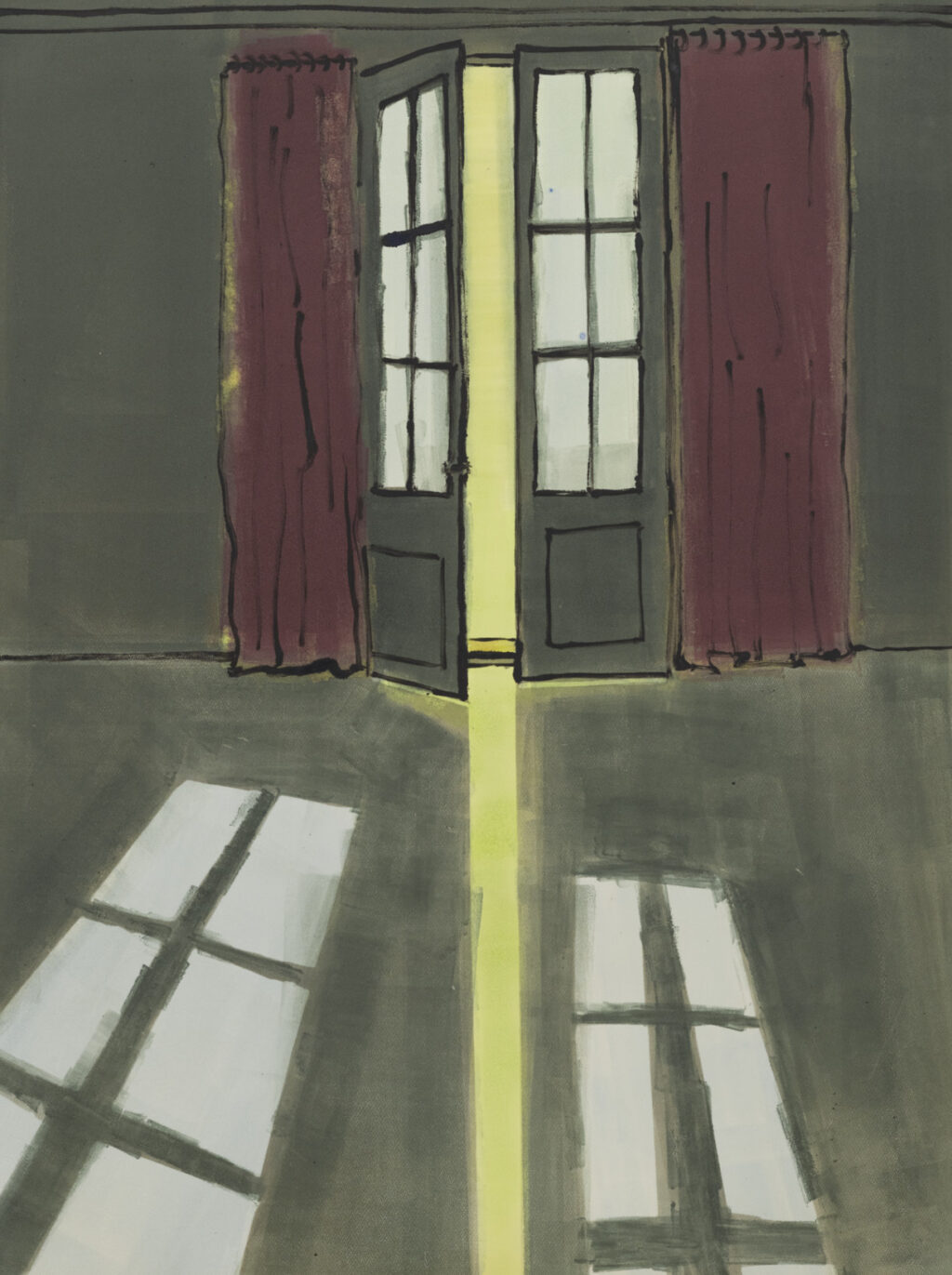
after NOON
2025
Oil on cotton paper
124 × 93 cm
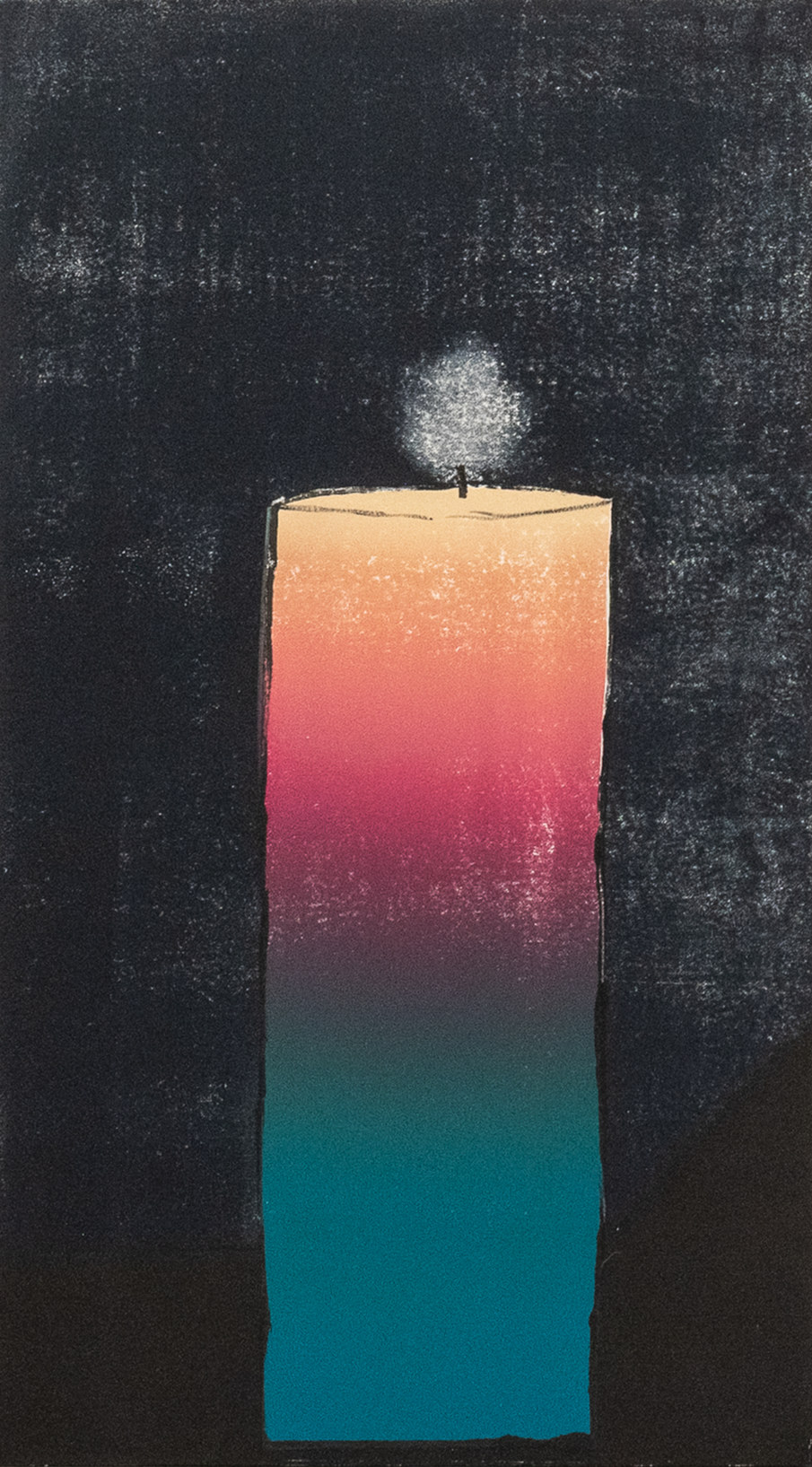
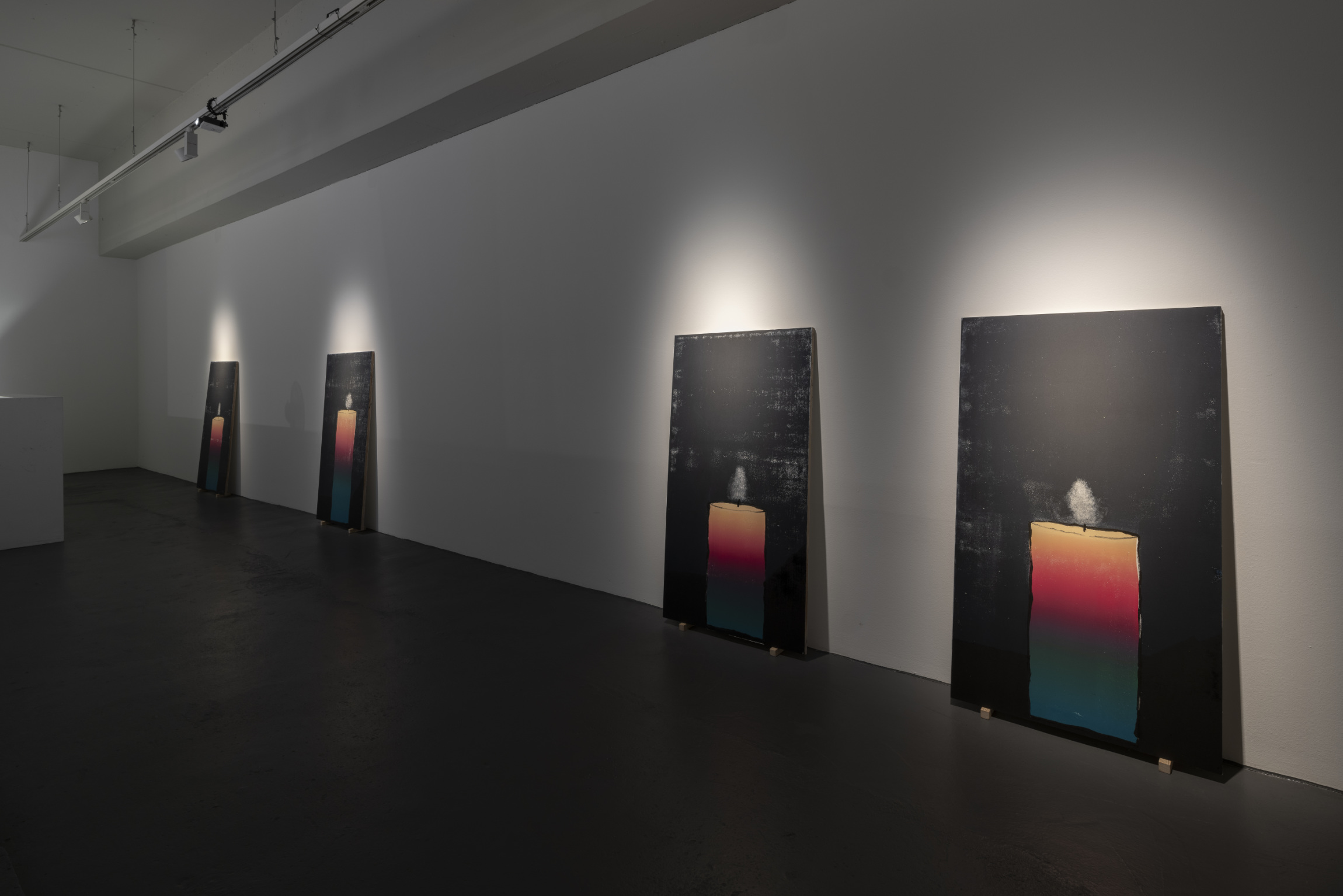
Paraffin 1
2025
Oil on cotton paper mounted on wood
125 × 70 cm
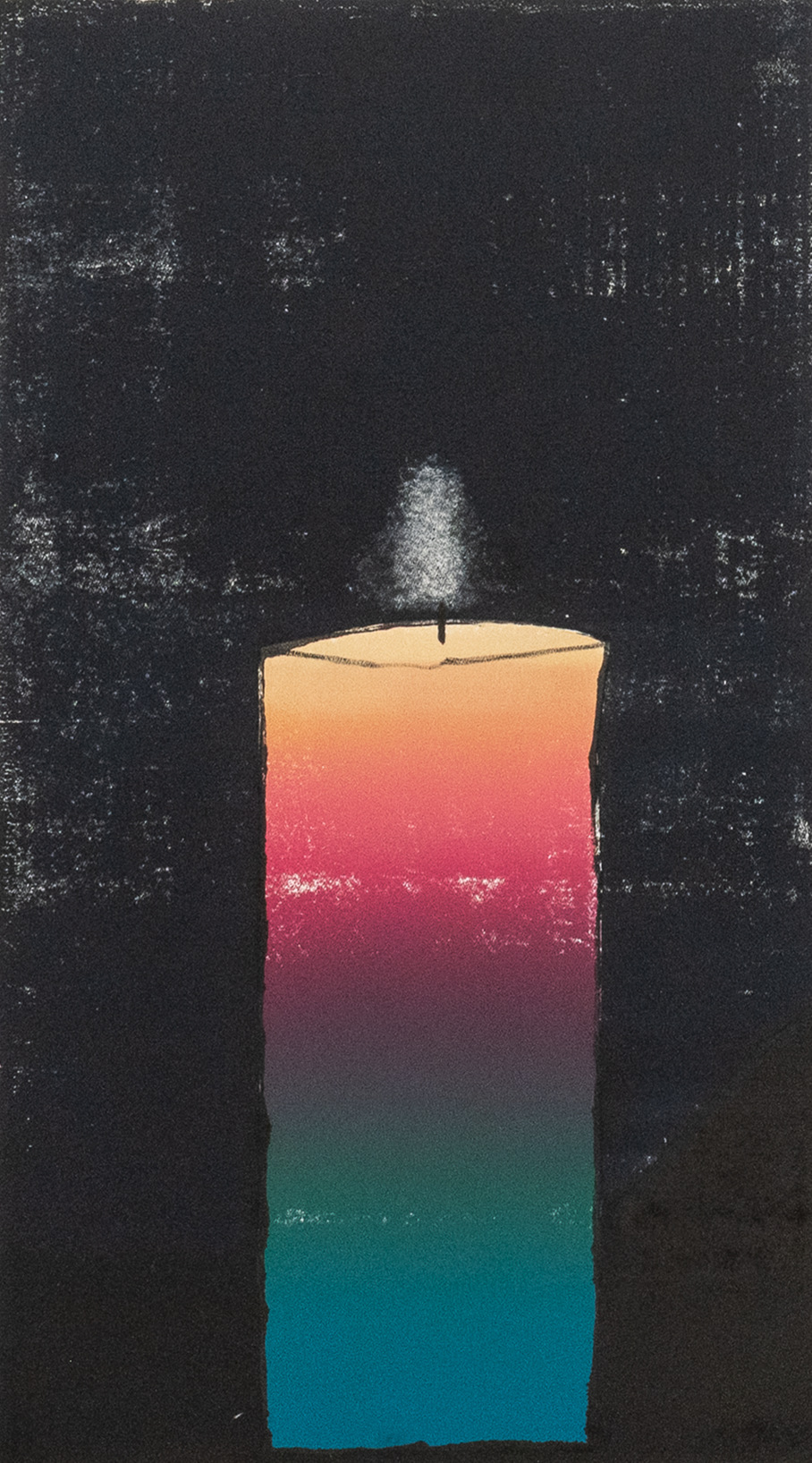
Paraffin 2
2025
Oil on cotton paper mounted on wood
125 × 70 cm
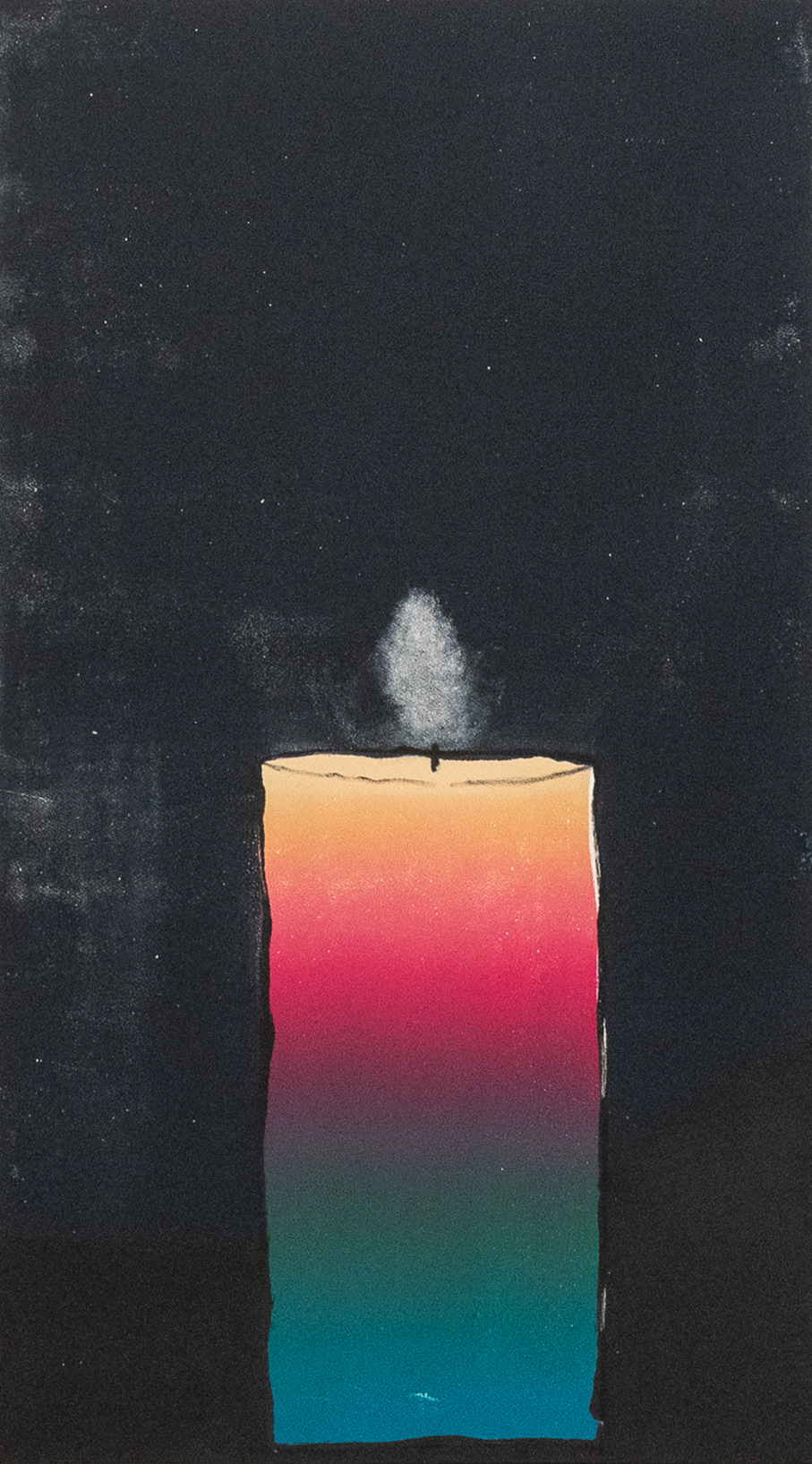
Paraffin 3
2025
Oil on cotton paper mounted on wood
125 × 70 cm
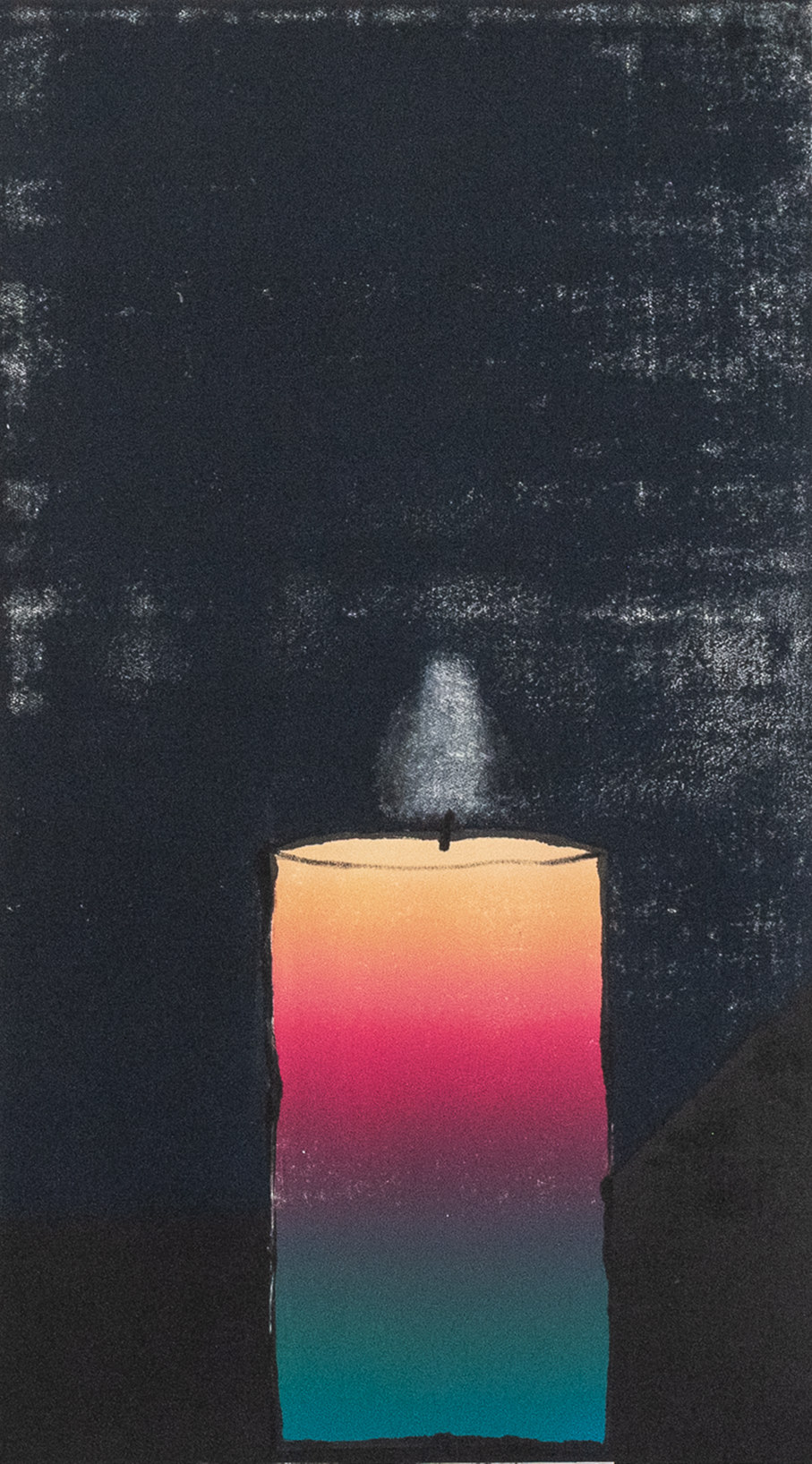
Paraffin 4
2025
Oil on cotton paper mounted on wood
125 × 70 cm
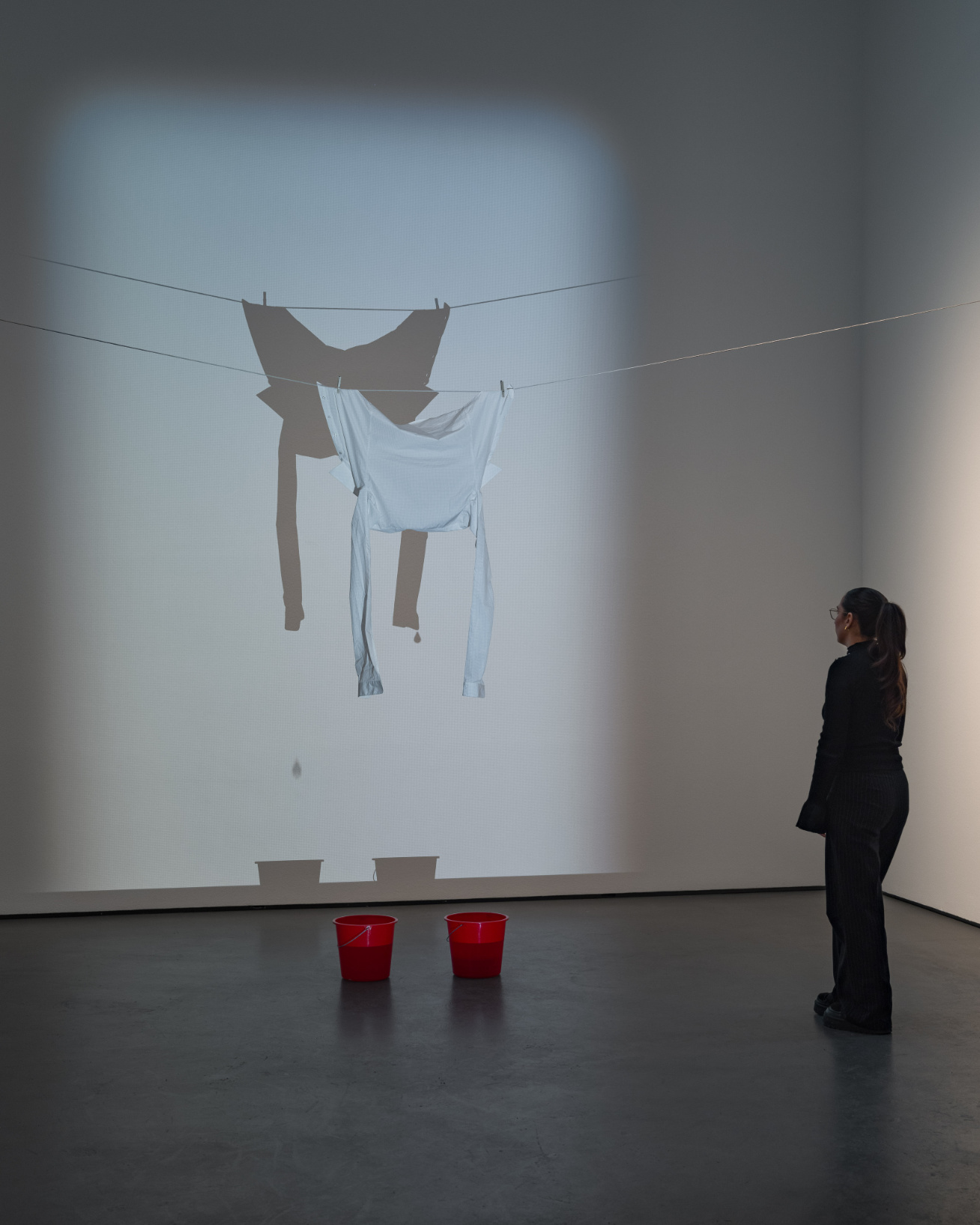
Clothesline 2026 Video installation; clothes, two clothes pins, two buckets, single channel video, b/w, sound, 2 min., loop Edition 1/3 (+ 1 AP)
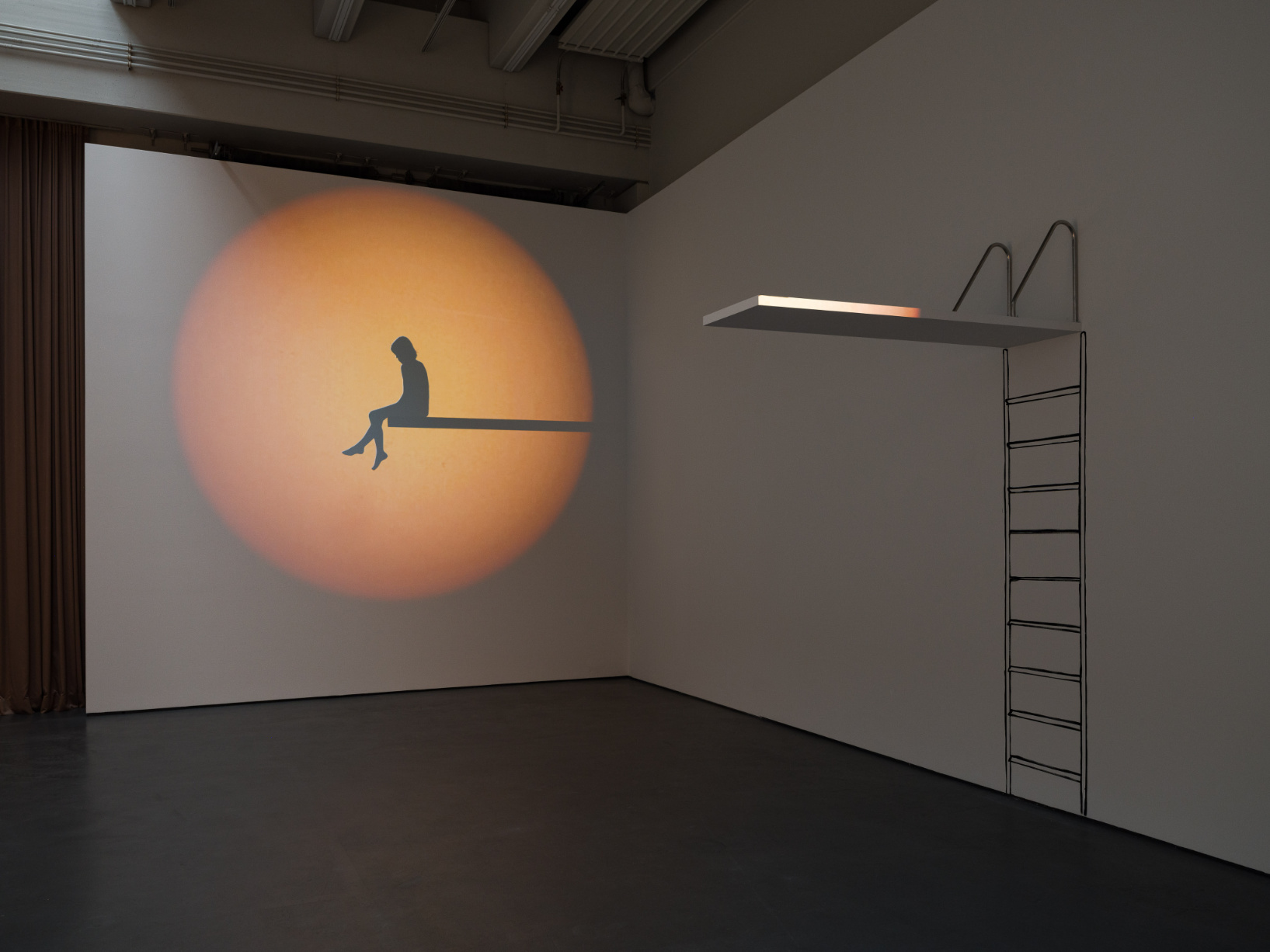
Plein soleil 2026 Video installation; wall drawing, wall object (metal and wood, 220 × 75 × 60 cm), single channel projection, color, 4 min., loop Variation 1/ 3 (+ 1 AP)
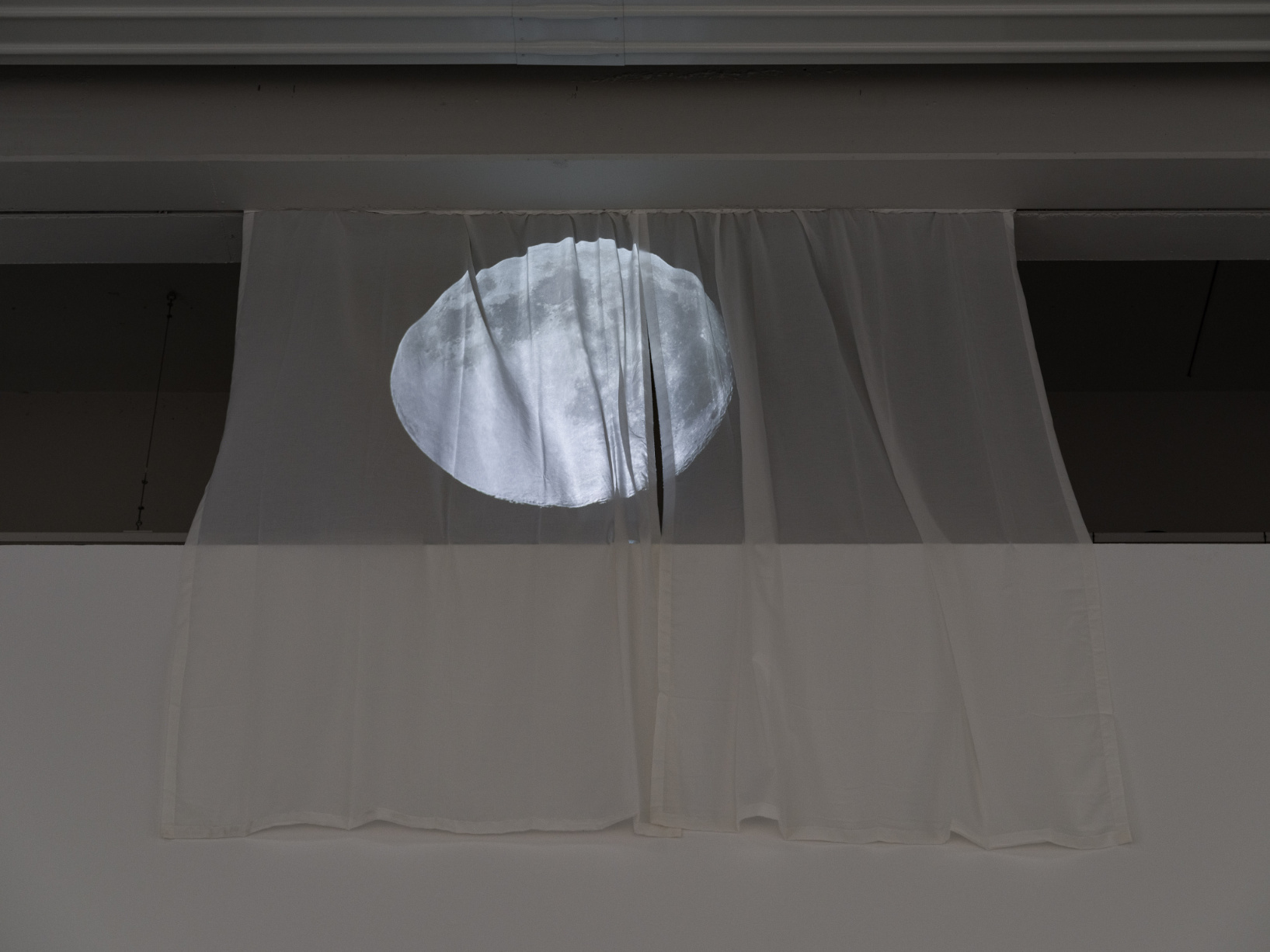
Curtain Moon 2026 Video installation; two curtains (140 × 270 cm each), ventilator, single channel projection, rear projection, b/w, 2 min., loop Edition 1/3 (+ 1 AP)
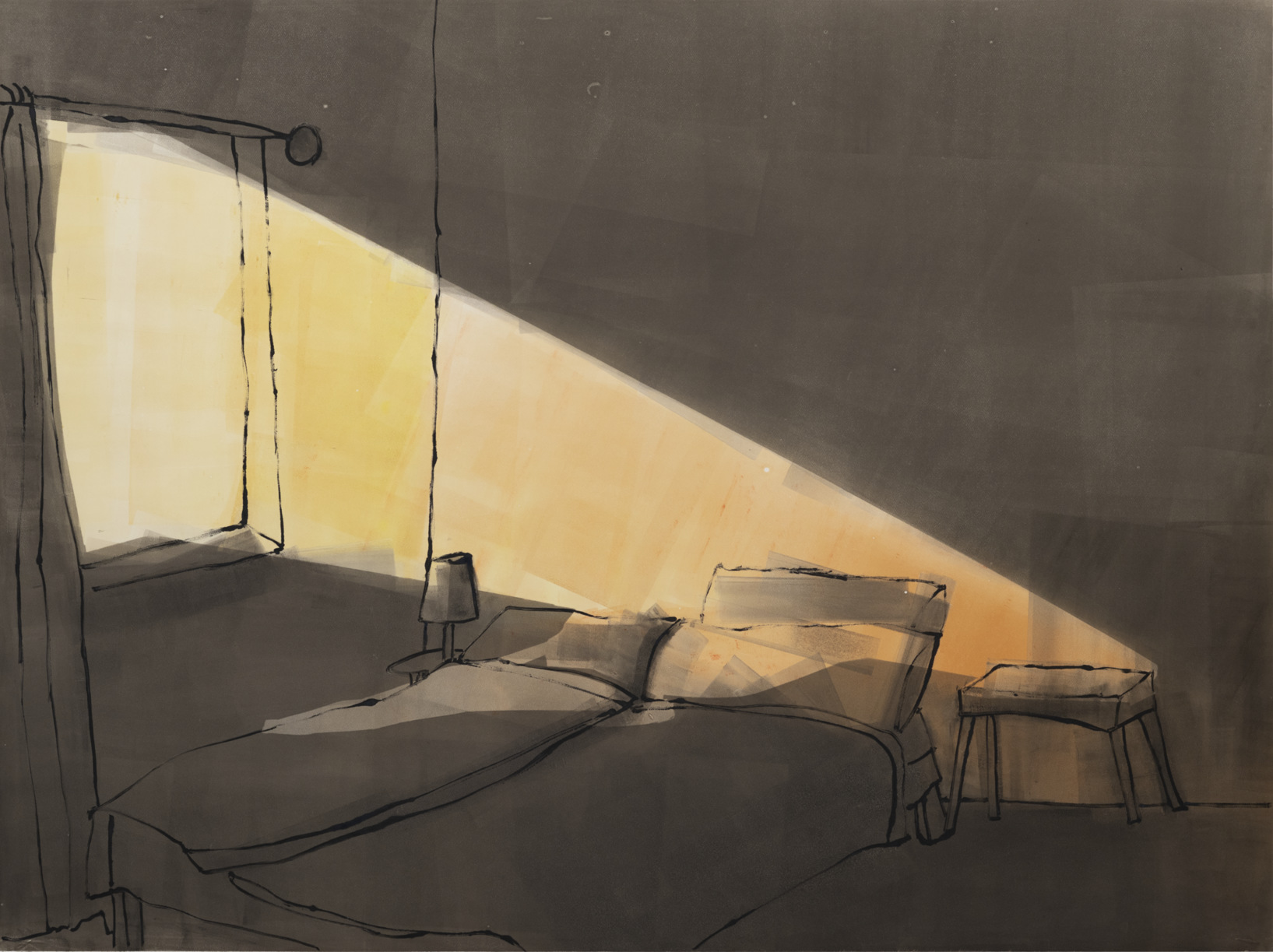
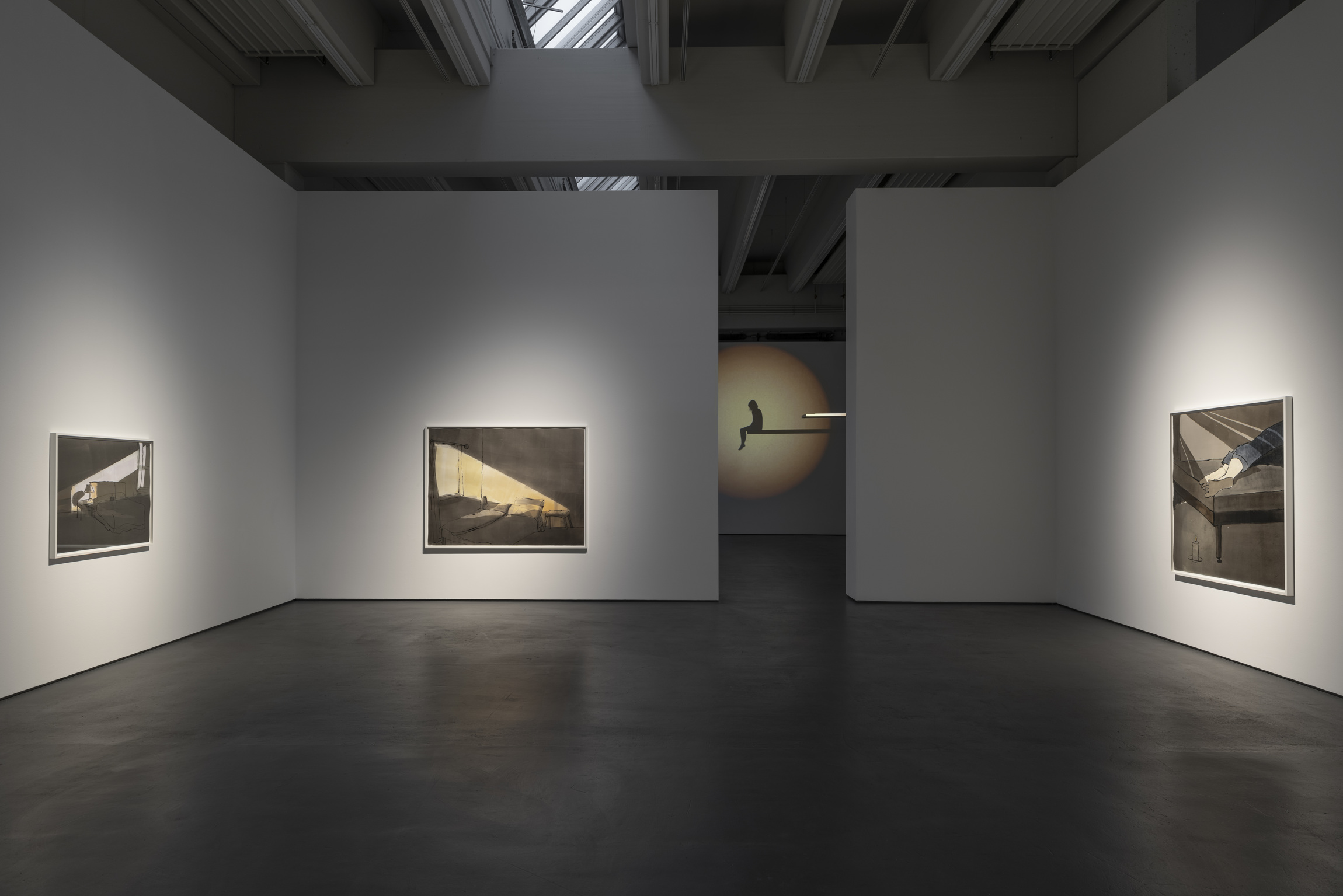
Sunday Morning 2025 Oil on cotton paper 153 × 204 cm
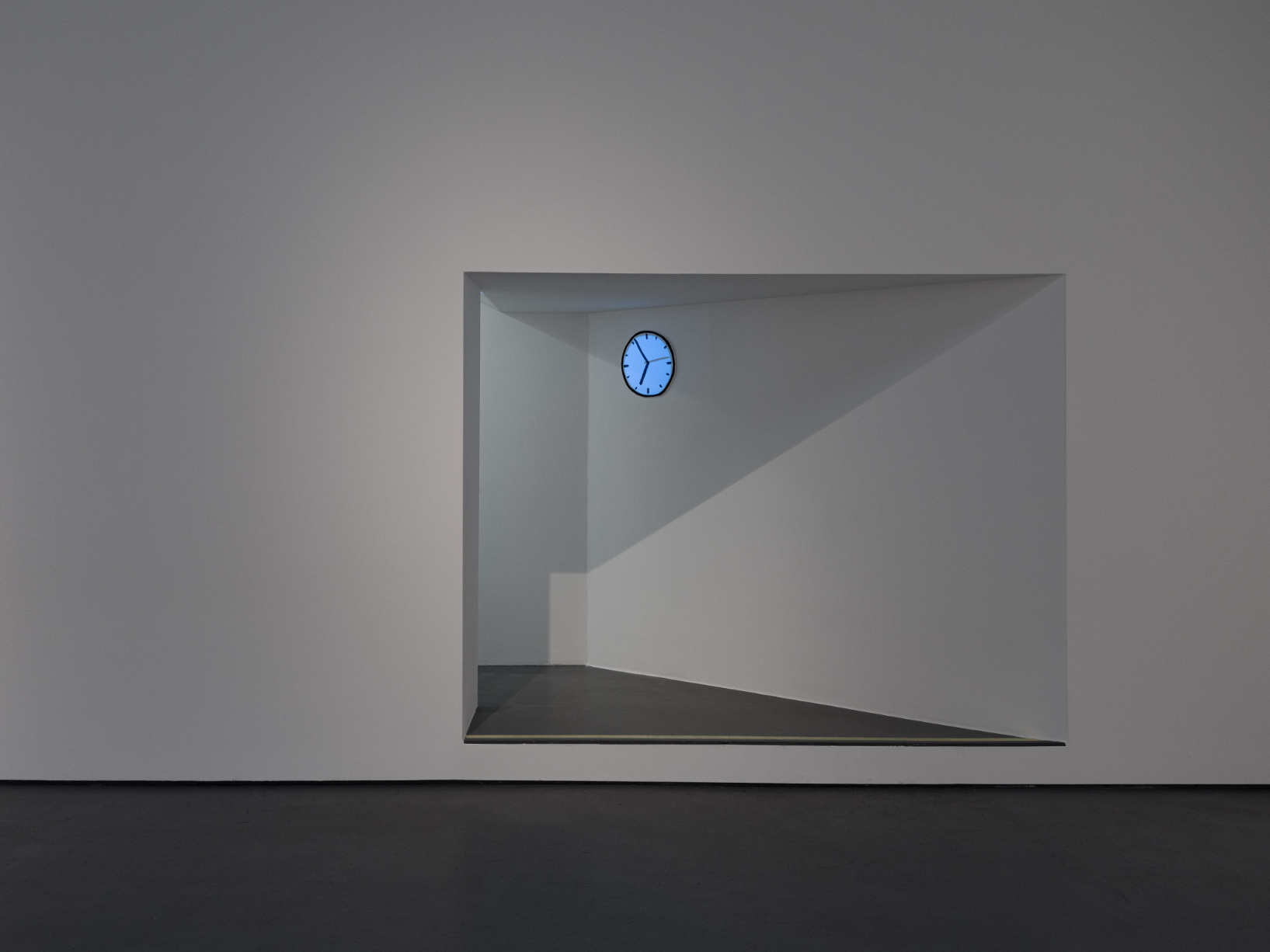
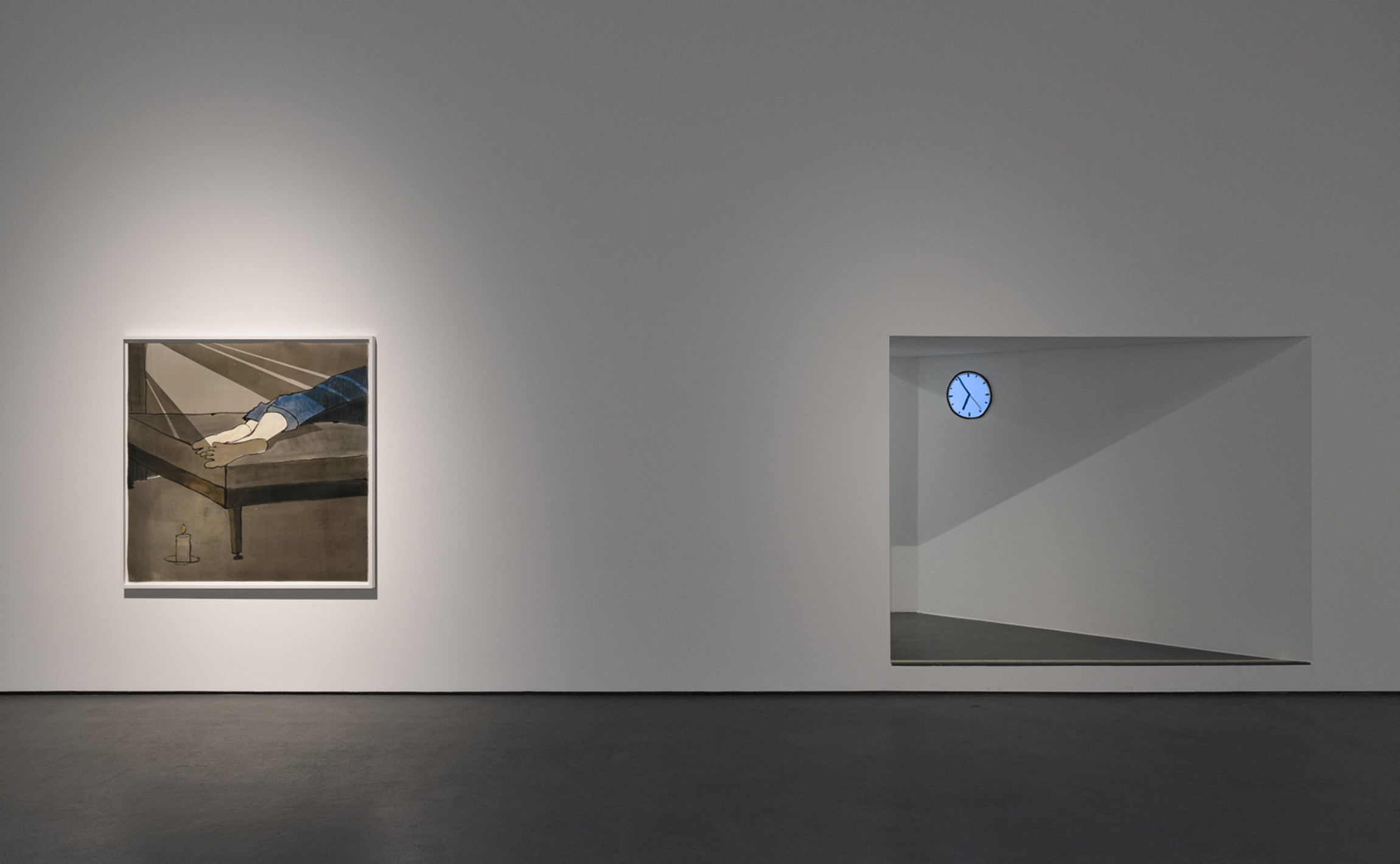
L’heure bleue 2026 Video installation; painted wall object (wood, 38 cm diameter), projection, color, sound, 10 min., loop Edition 1/3 (+ 1 AP)
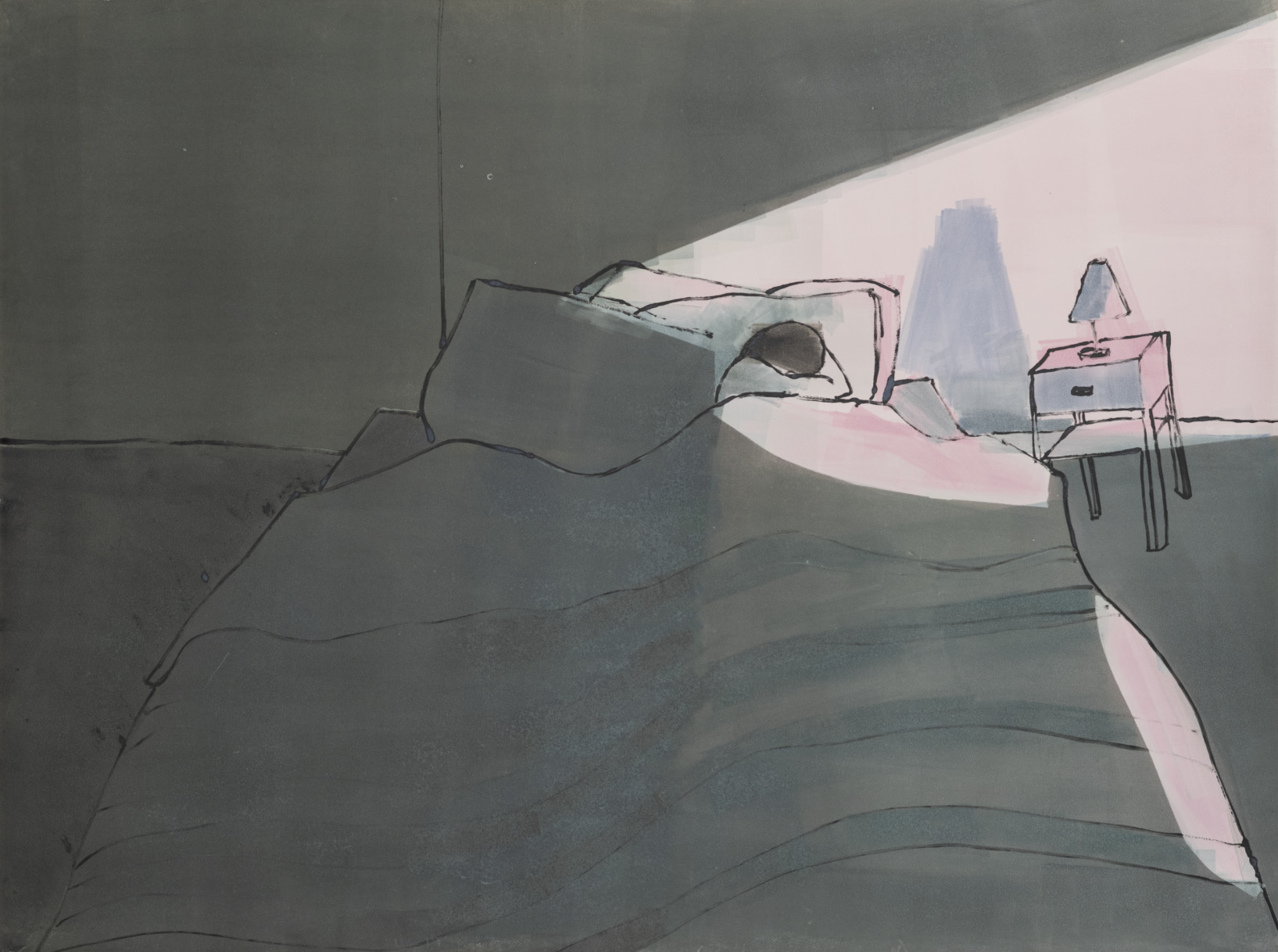
Big Sleep 2025 Oil on cotton paper 153 × 204 cm
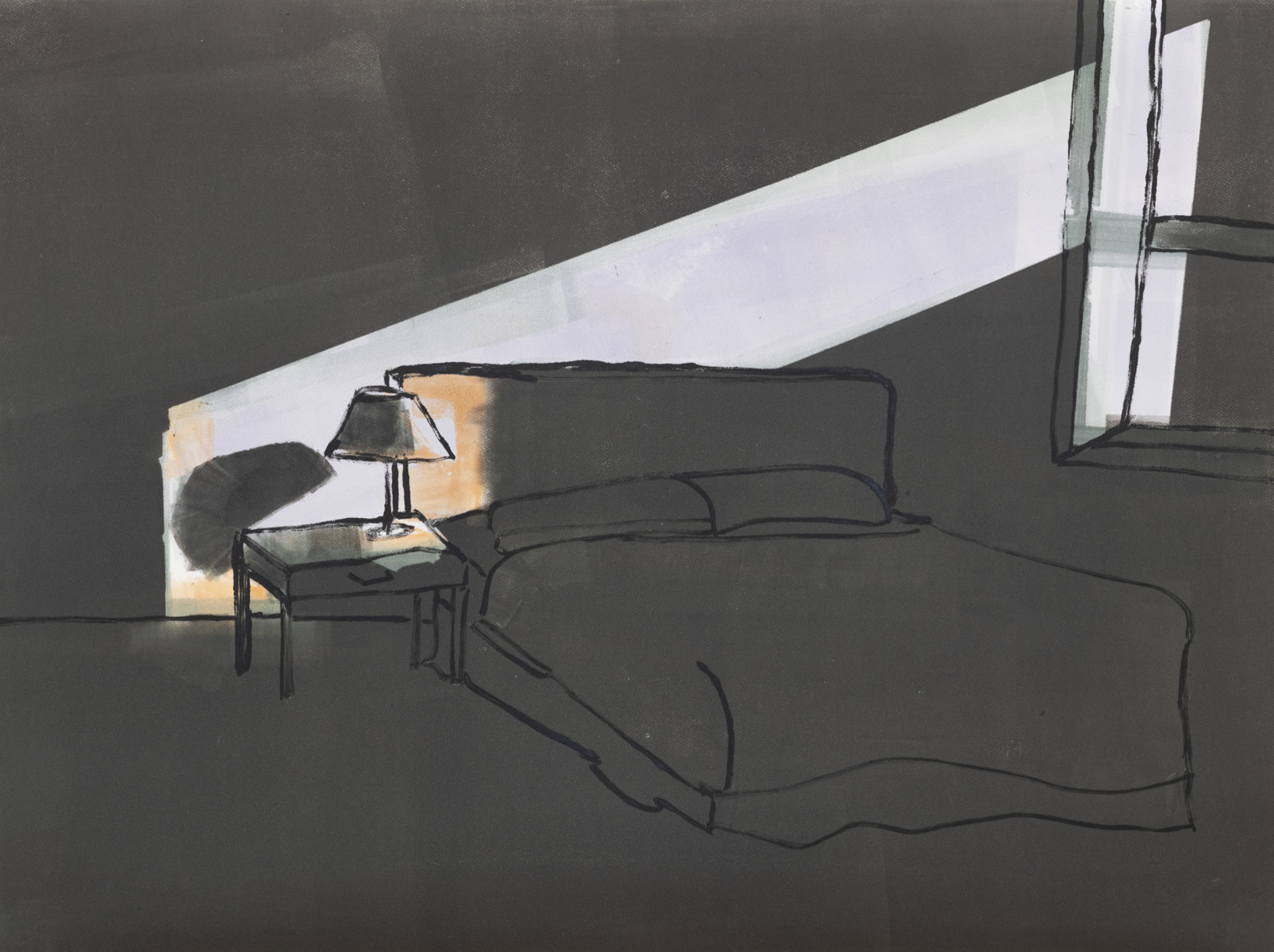
White Night 2025 Oil on cotton paper 93 × 124 cm
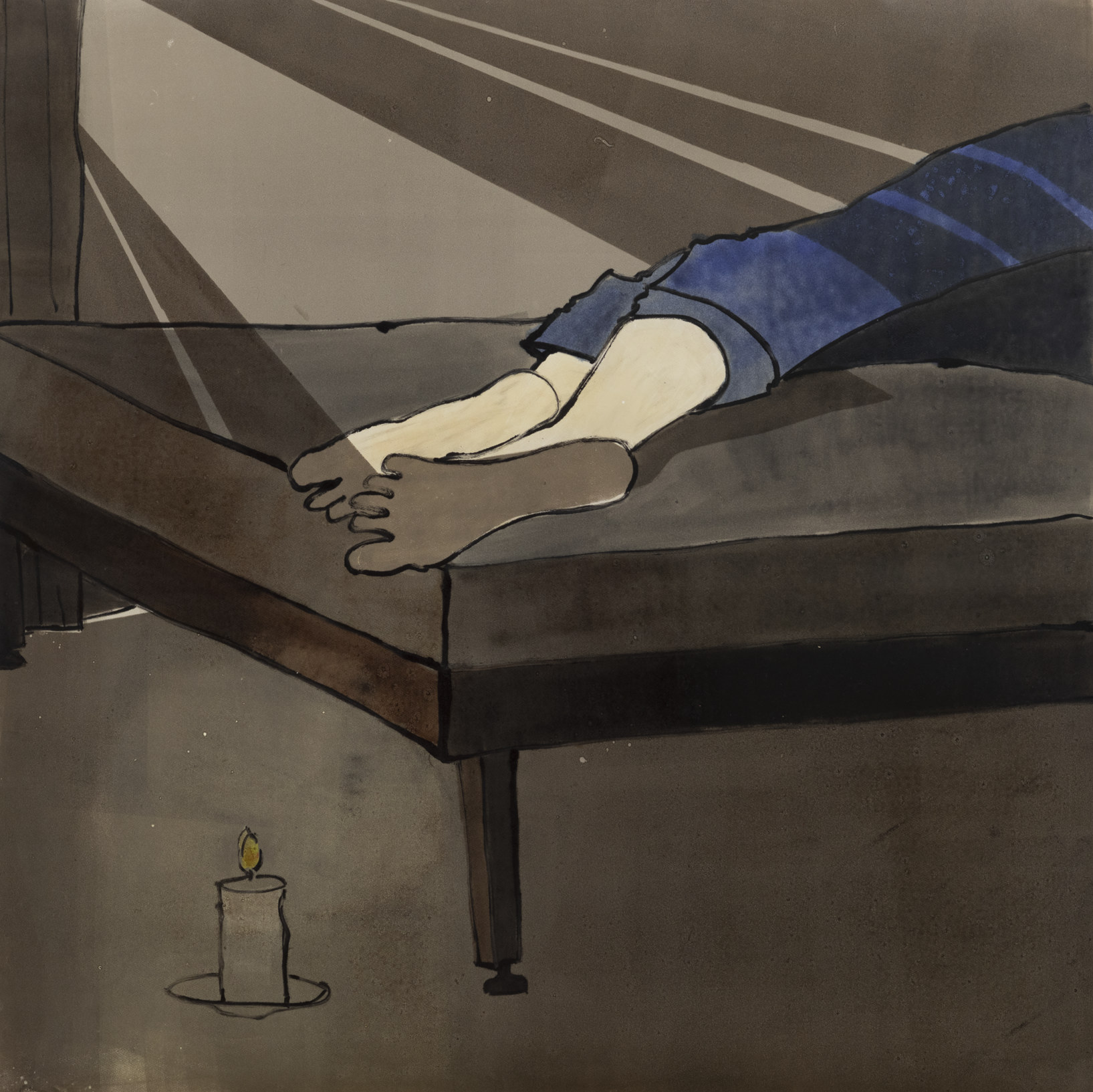
Kalte Füsse 2025 Oil on cotton paper 153 × 153 cm
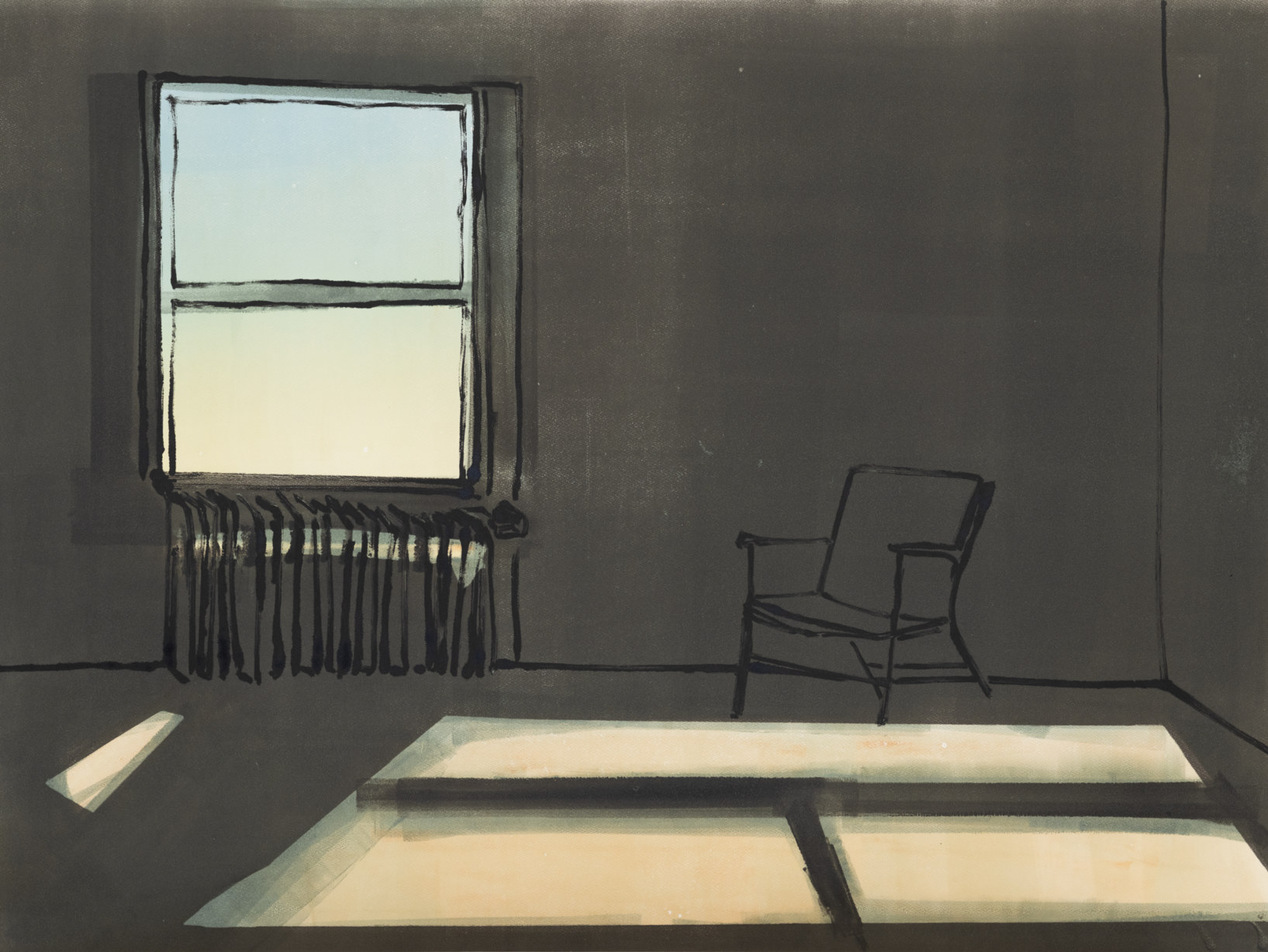
Soon Noon 2025 Oil on cotton paper 93 × 124 cm
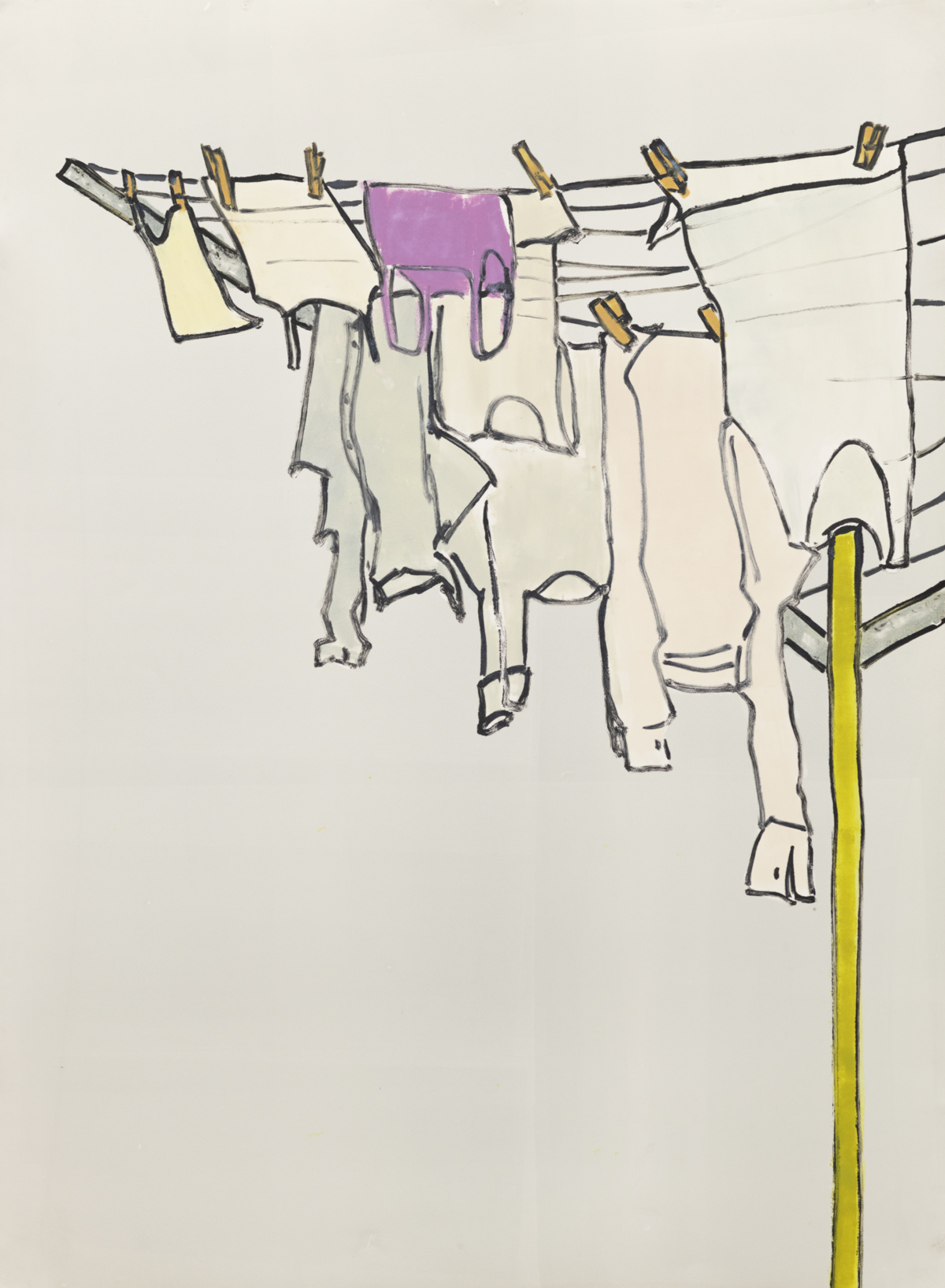
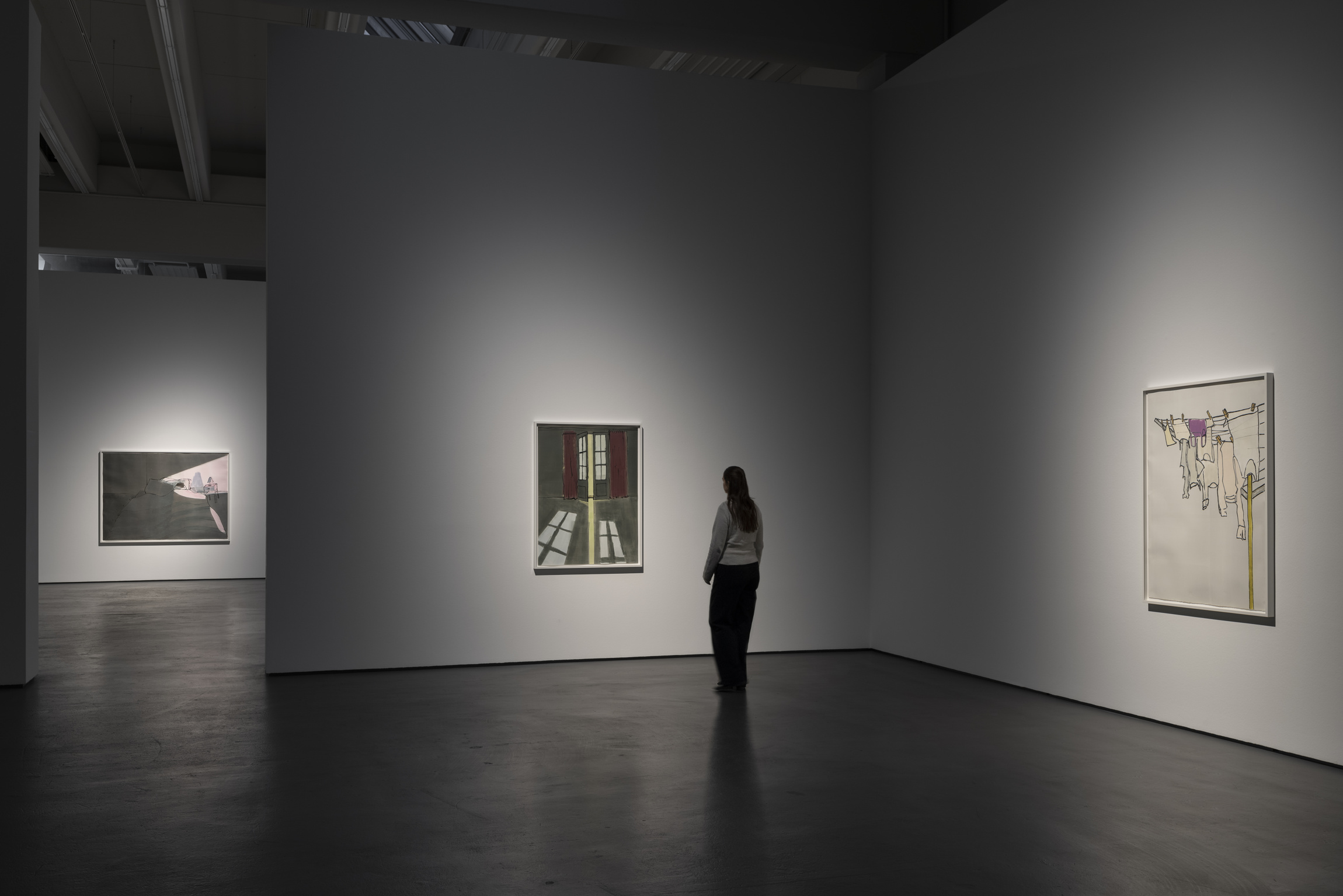
Wäschespinne 2 2025 Oil on cotton paper 135 × 99 cm
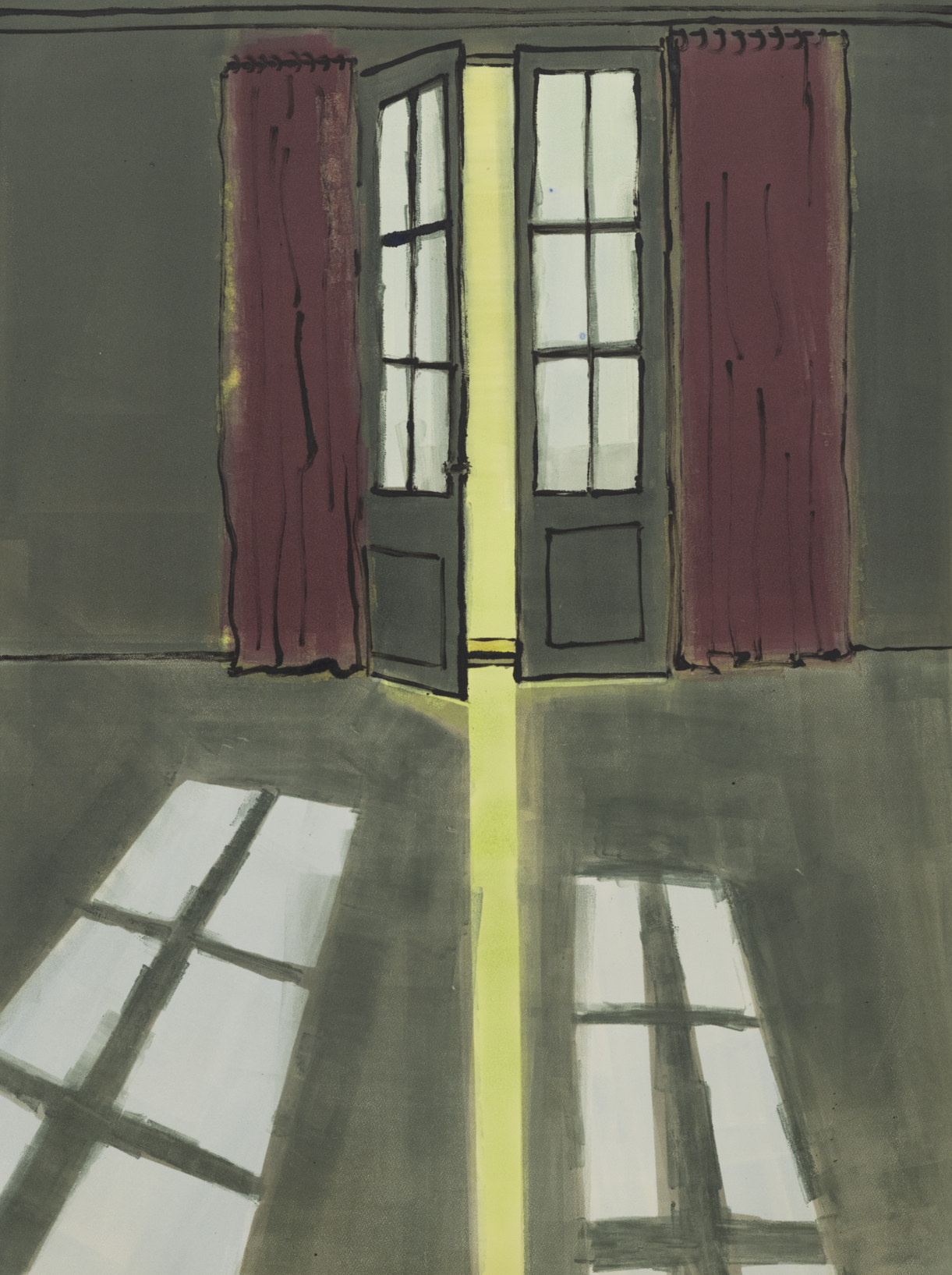
after NOON 2025 Oil on cotton paper 124 × 93 cm
Paraffin 1 2025 Oil on cotton paper mounted on wood 125 × 70 cm
Paraffin 2 2025 Oil on cotton paper mounted on wood 125 × 70 cm
Paraffin 3 2025 Oil on cotton paper mounted on wood 125 × 70 cm
Paraffin 4 2025 Oil on cotton paper mounted on wood 125 × 70 cm

Text
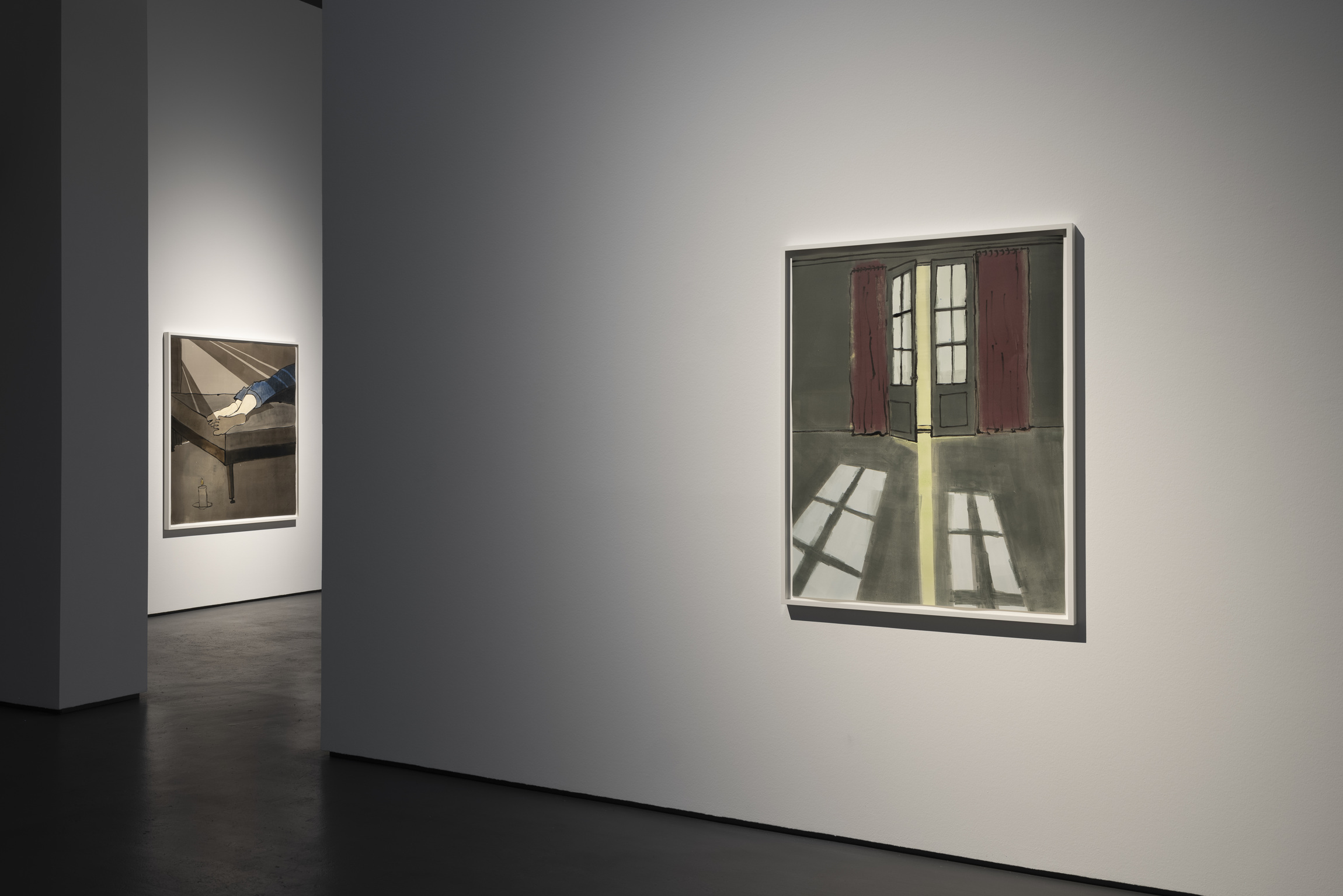
Galerie Judin is pleased to present Plein soleil, Zilla Leutenegger’s first solo exhibition with the gallery. Seizing on the light-filled architecture of our main exhibition space, once built as a printing hall for the Tagesspiegel newspaper, the artist brings together installations, video projections, and monotypes—transforming the space into a sequence of experimental environments.
The exhibition unfolds as a psychological and spatial journey through the life of the artist’s alter ego Z, focusing on light as a central thematic and formal element, not only conceptually but also architecturally, as the prominent skylights decisively shape the perception of the space.
The psychogram that Leutenegger draws with her installation foregrounds the dialectic of light and shadow. Rather than presenting her alter ego as a fully articulated subject—the metaphorical source of light—the artist reveals its traces: the shadows cast by a life, its gestures and moods. The absent figure is suggested through fragments and impressions and we, the viewers, are invited to participate in the meaning-making process. In the course of this guessing game the spectators’ own projections and associations thus become part of the work, extending the field of shadows.
So let’s immerse ourselves in this encounter! Like close friends or family members would, we enter the character’s “home” through the laundry room, a transitional and intimate space that introduces the domestic cosmos of the protagonist. We circumvent a white shirt suspended on a clothesline, evoking the absent figure’s body while delineating its contours. Throughout the installation, poetic moments of distraction and concentration, of life enjoyment and endurance, unfold. A tone of cheerful melancholy pervades the exhibition, operating almost as an acoustic undercurrent. Monotypes—unique prints produced from mirror-inverted painted templates—outline interior spaces and serve as a counterpoint to the exterior world, which is primarily defined by incident light and the resulting play of shadows.
Continue reading
As in Leutenegger’s broader practice, all the works captivate viewers with Leutenegger’s precise yet seemingly effortless line. This line articulates a poetry of the everyday, the small and the random: warm morning light filtering through blinds, animating shadows across walls and making them dance. Ephemeral moments are transformed into durable forms by the artist. Just like the curtains on the mezzanine that flutter incessantly in the wind and candle flames responding to imperceptible air currents.
The finale of the parcours, in the second space, offers a more ambivalent encounter. In a projection, the figure of Z appears as a silhouette, seated atop a high diving board with legs dangling freely. The image oscillates between tension and ease, hesitation and playfulness. Here, once again, the exhibition’s central concern is expressed: ambiguity emerges most clearly in the realm of shadows, where meaning remains provisional and open to the viewer’s grasp.
Videos
Plein soleil, 2026
Clothesline, 2026
Curtain Moon, 2026
L’heure bleue, 2026