Christoph Schlingensief
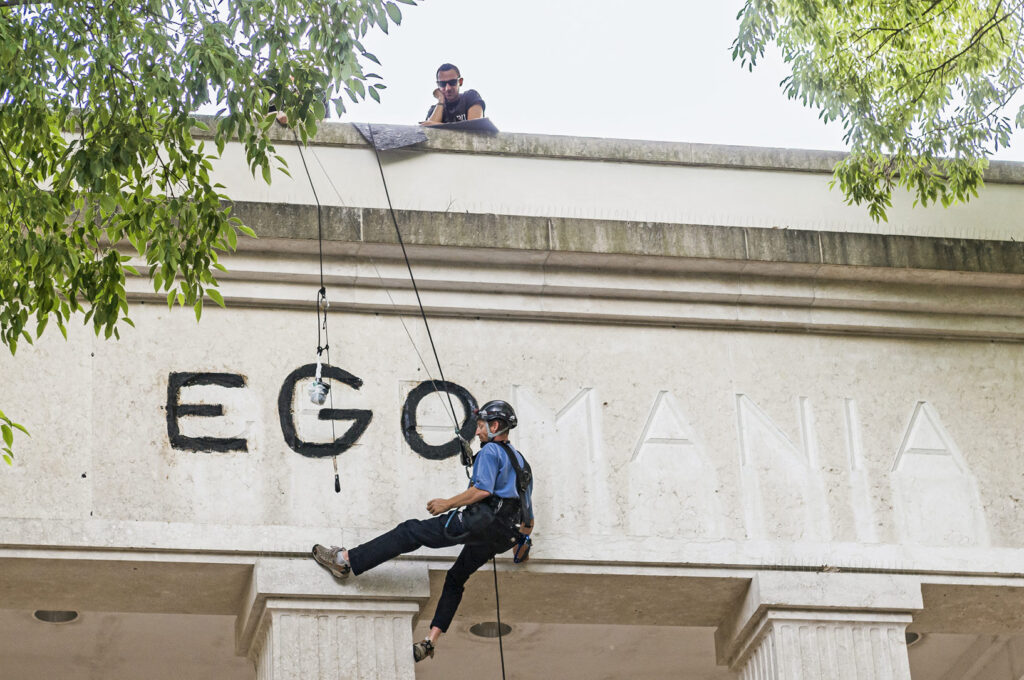
Installation at the German Pavilion, 54th Biennale di Venezia
2011
Photo: © Thorsten Arendt
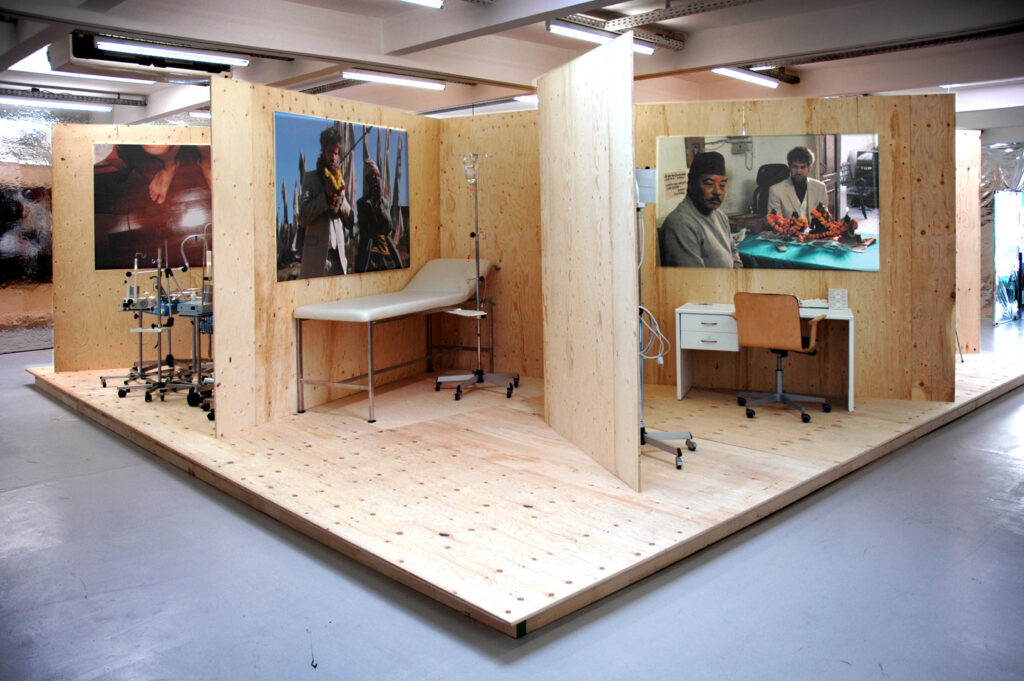
Der König wohnt in mir
Installation view at Kunstraum Innsbruck
2008
Photo: © Leonard Schattschneider
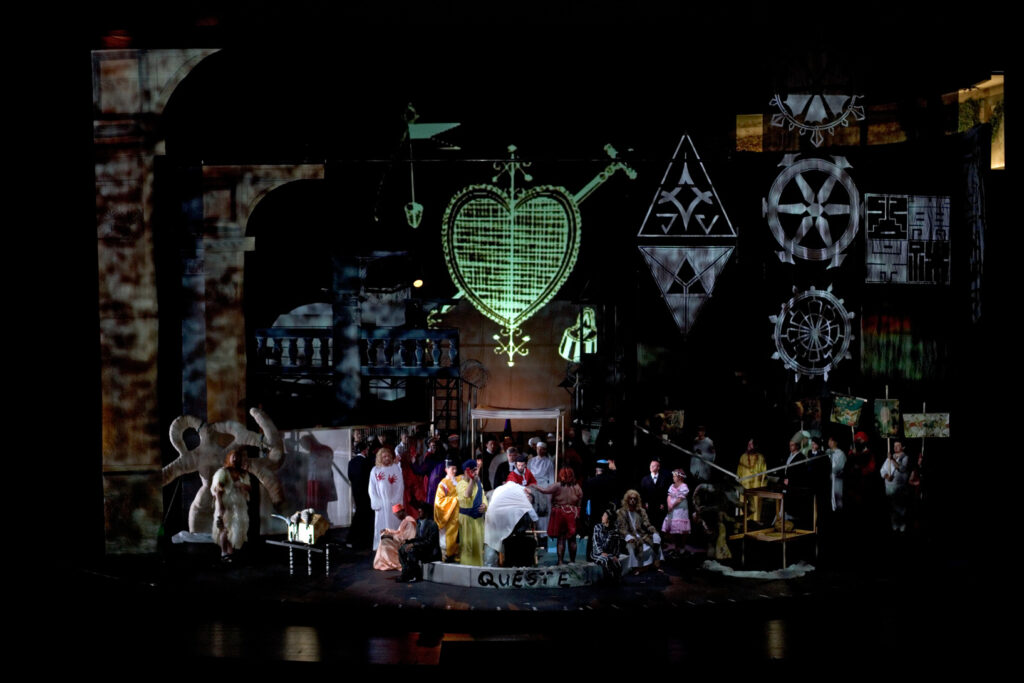
Parsifal
Bayreuth Festspielhaus
2005
Photo: © Bayreuther Festspiele GmbH/Jochen Quast
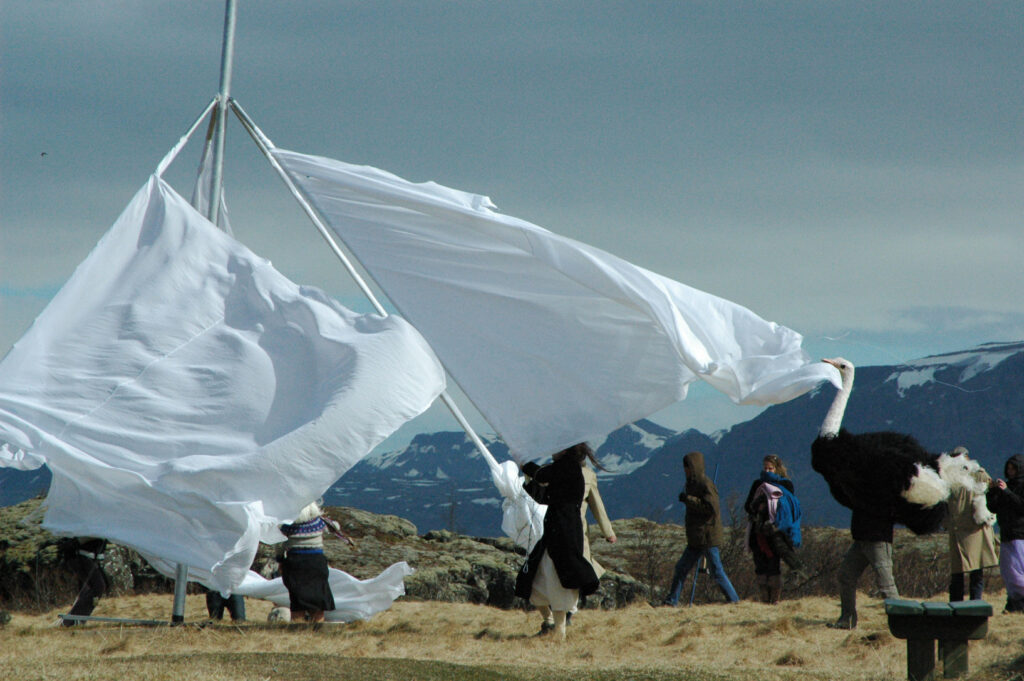
Der Animatograph – House of Obsession (Island Edition)
Movie, 15 min.
2005
Photo: Aino Laberenz © Filmgalerie 451
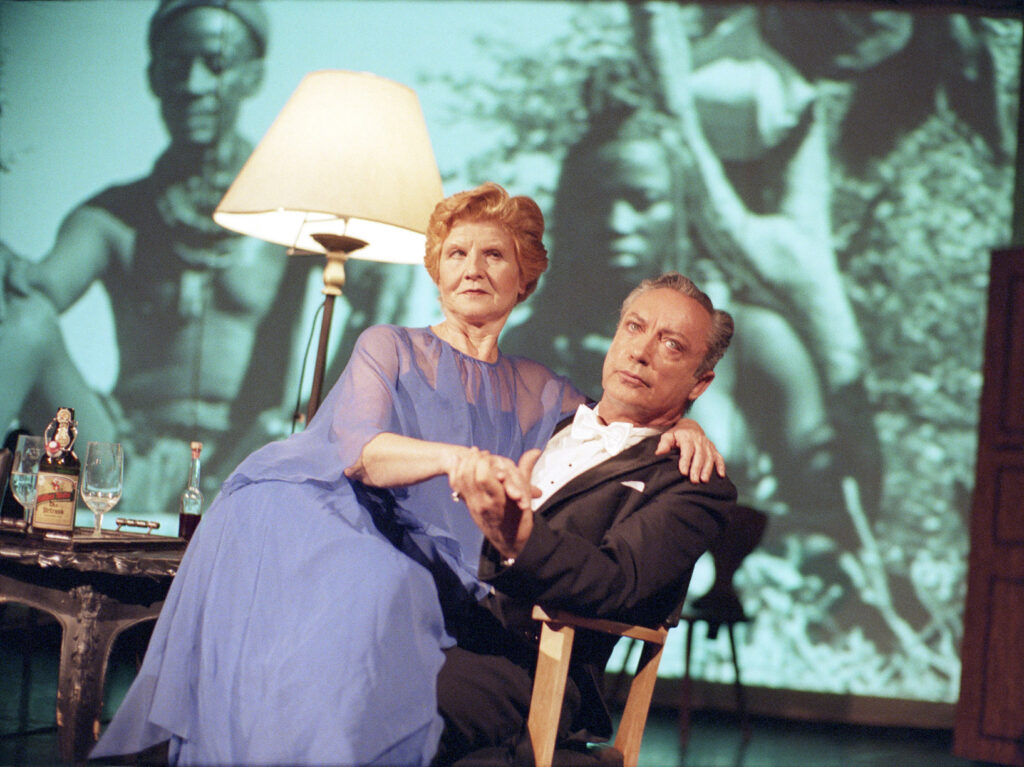
Irm Hermann and Udo Kier in “Kunst und Gemüse, A. Hipler”
Premiere at Volksbühne am Rosa-Luxemburg-Platz
2004
Photo: © David Baltzer
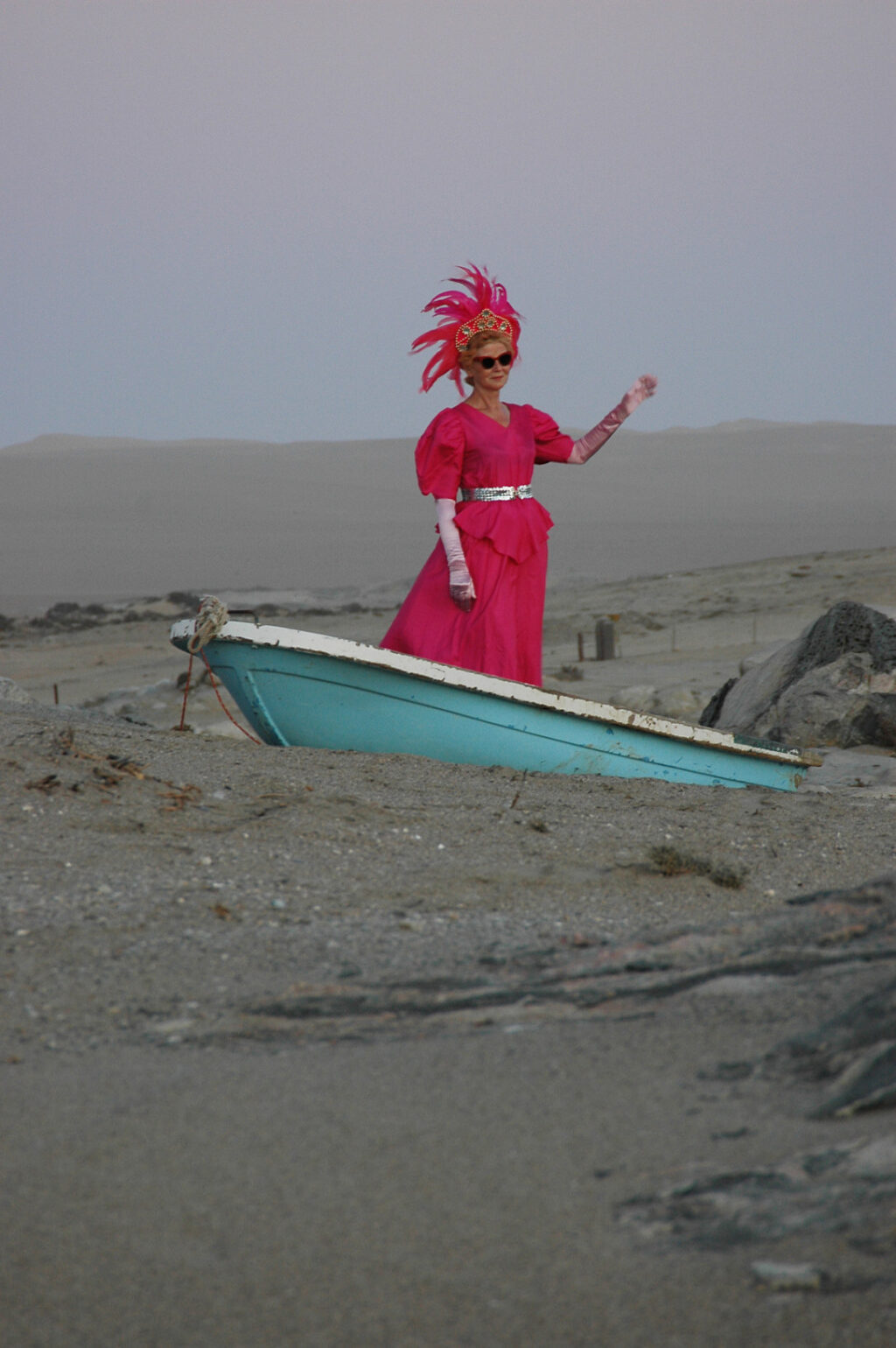
Irm Hermann in “The African Twin Towers – Der Ring – 9/11”
Movie, 399 min.
2005
Photo: Aino Laberenz © Filmgalerie 451
 Show more works
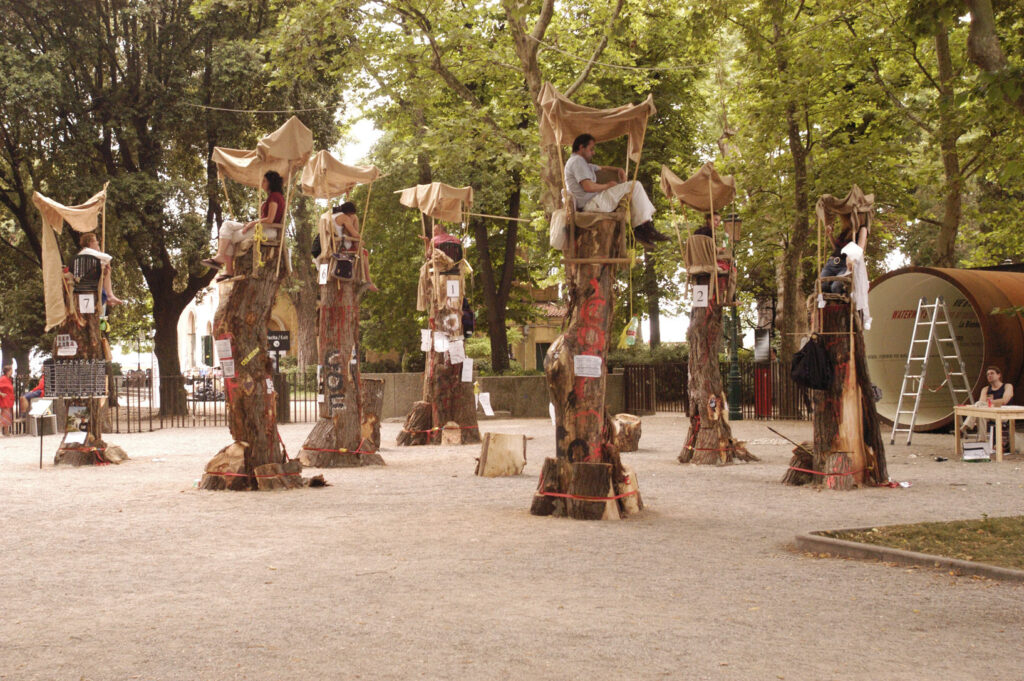
Church of Fear
Performance at the entrance to the Giardini, 50th Biennale di Venezia
2003
Photo: © David Baltzer
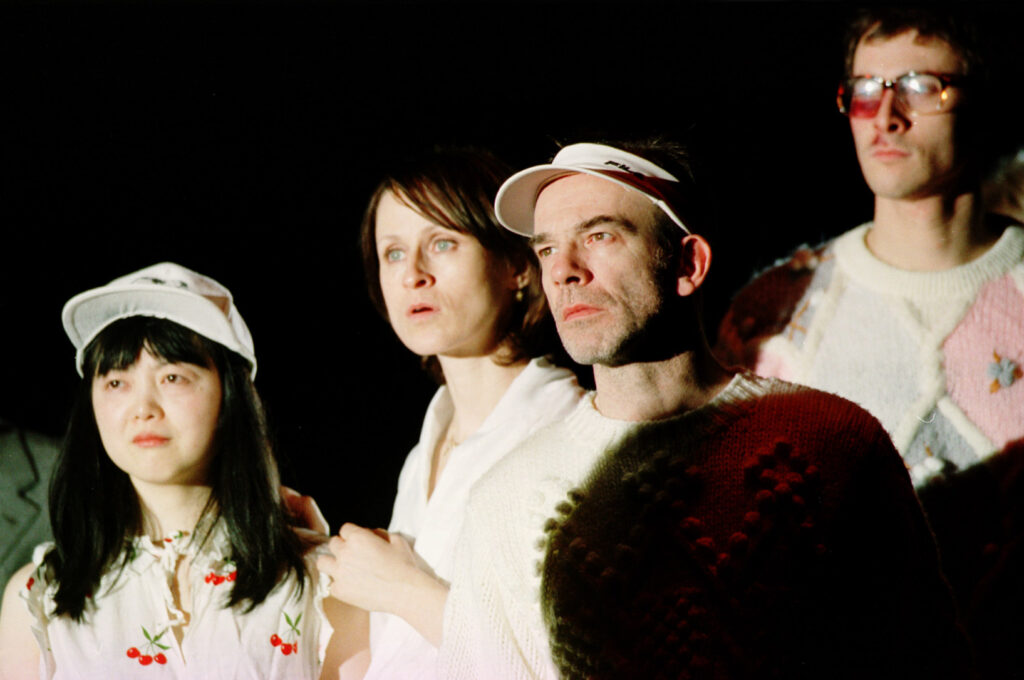
Sophie Rois, Martin Wuttke et al. in “Rosebud”
Premiere at Volksbühne am Rosa-Luxemburg-Platz
2001
Photo: © David Baltzer
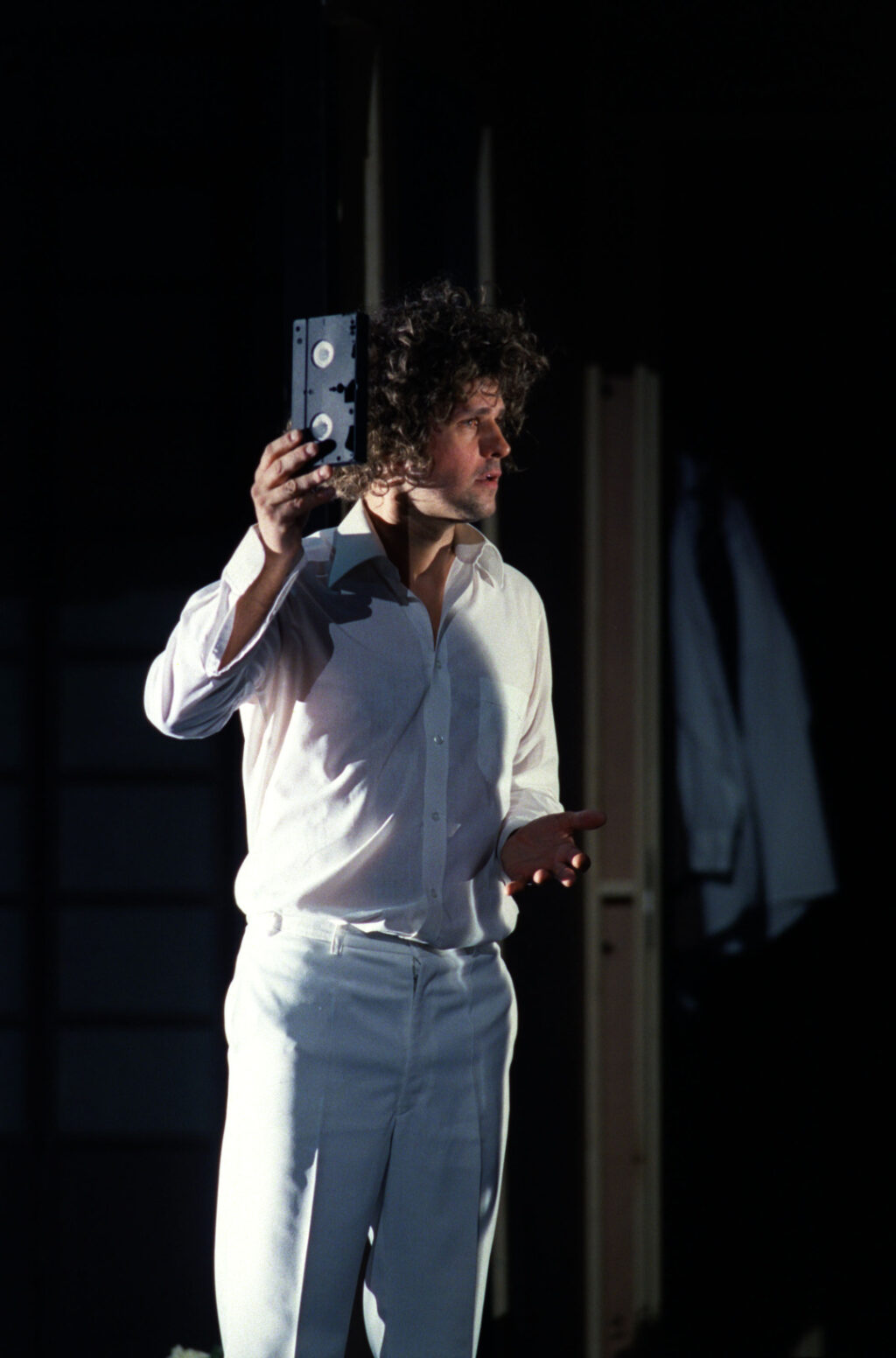
Christoph Schlingensief in “Rosebud”
Premiere at Volksbühne am Rosa-Luxemburg-Platz
2001
Photo: © David Baltzer
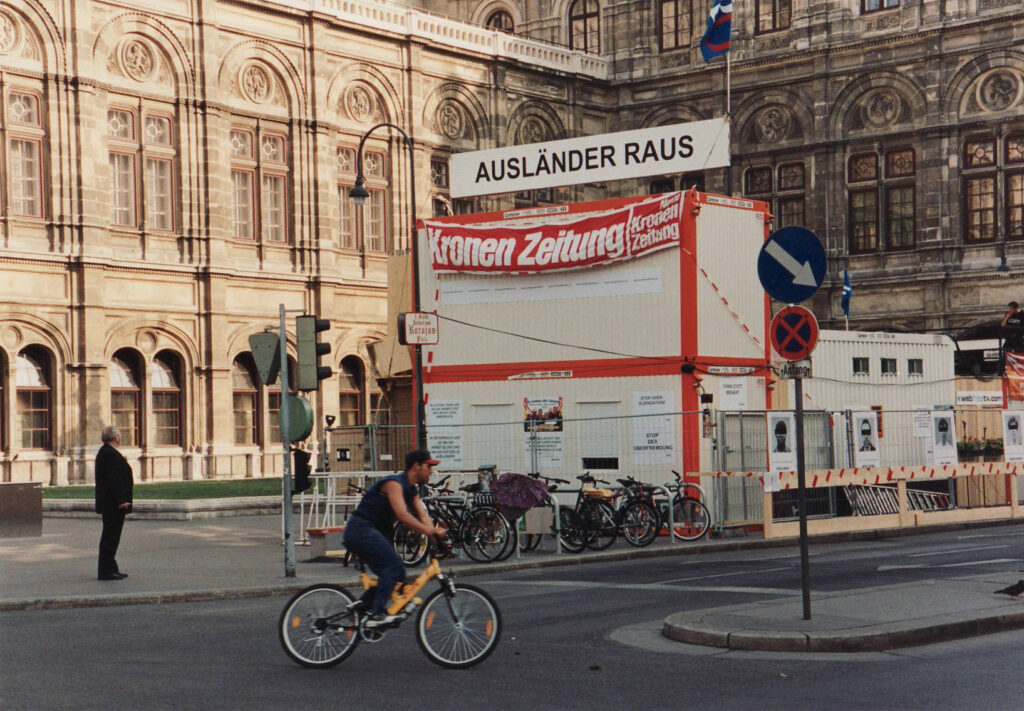
Bitte liebt Österreich
Performance at the Vienna State Opera, Wiener Festwochen
2000
Photo: Didi Sattmann © APA-Images / brandstaetter images
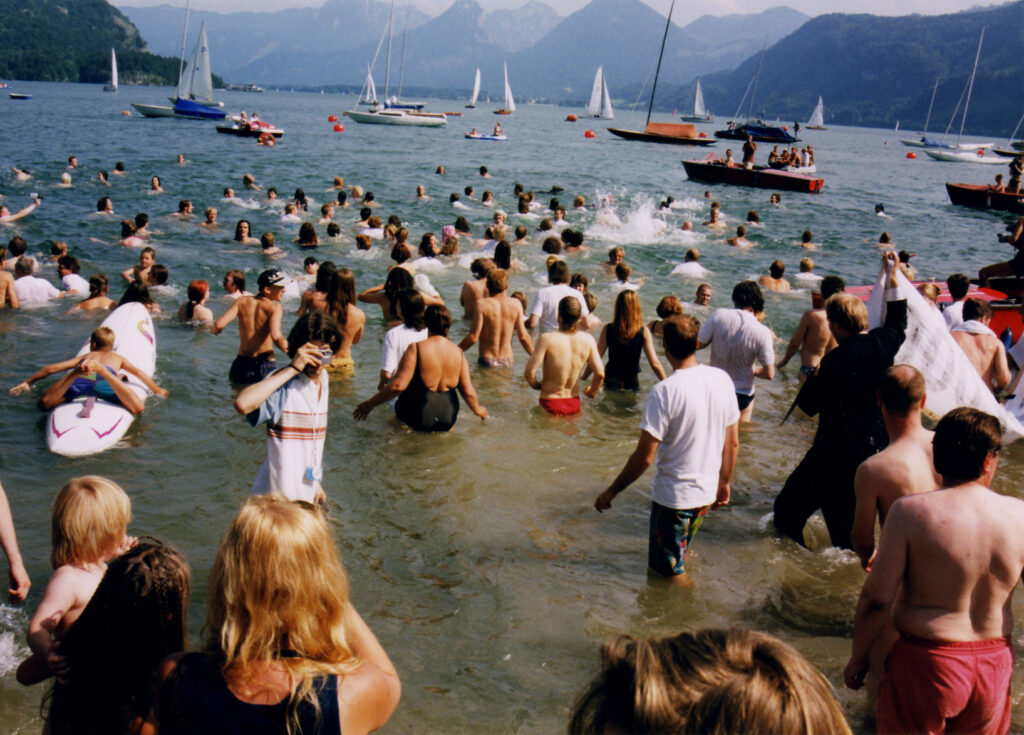
Baden im Wolfgangsee
Performance of the political party “Chance 2000”
1998
Photo: © Tobias Mosig
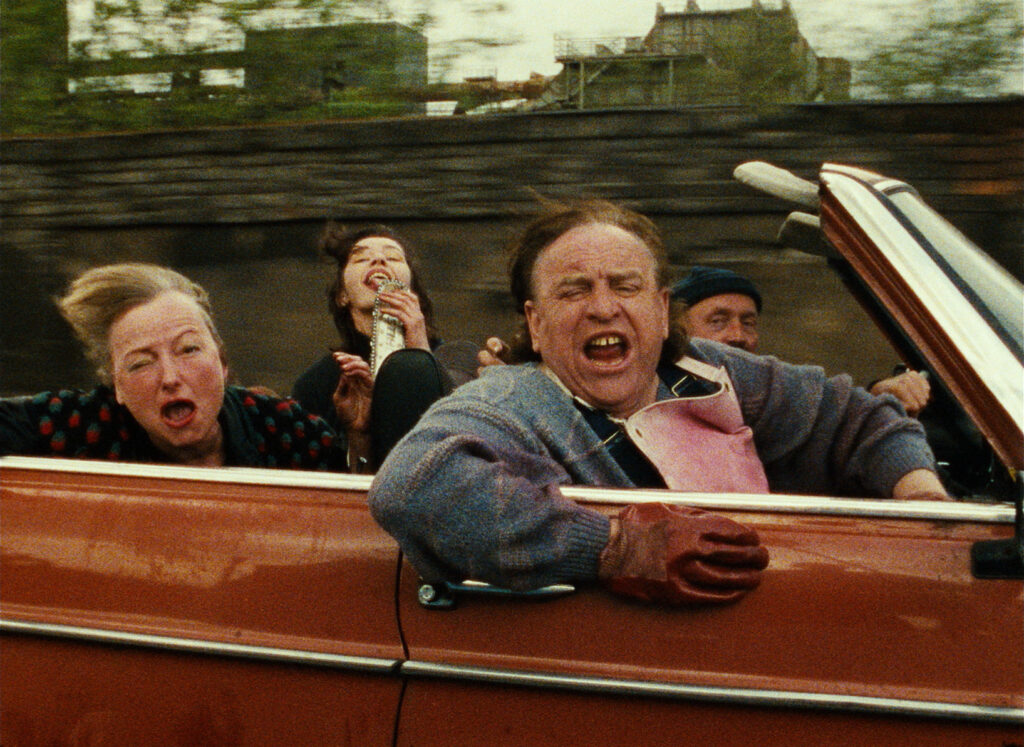
Brigitte Kausch, Susanne Bredehöft, Alfed Edel, Dietrich Kuhlbrodt in “Das Deutsche Kettensägenmassaker”
Movie, 60 min.
1990
Photo: © Filmgalerie 451
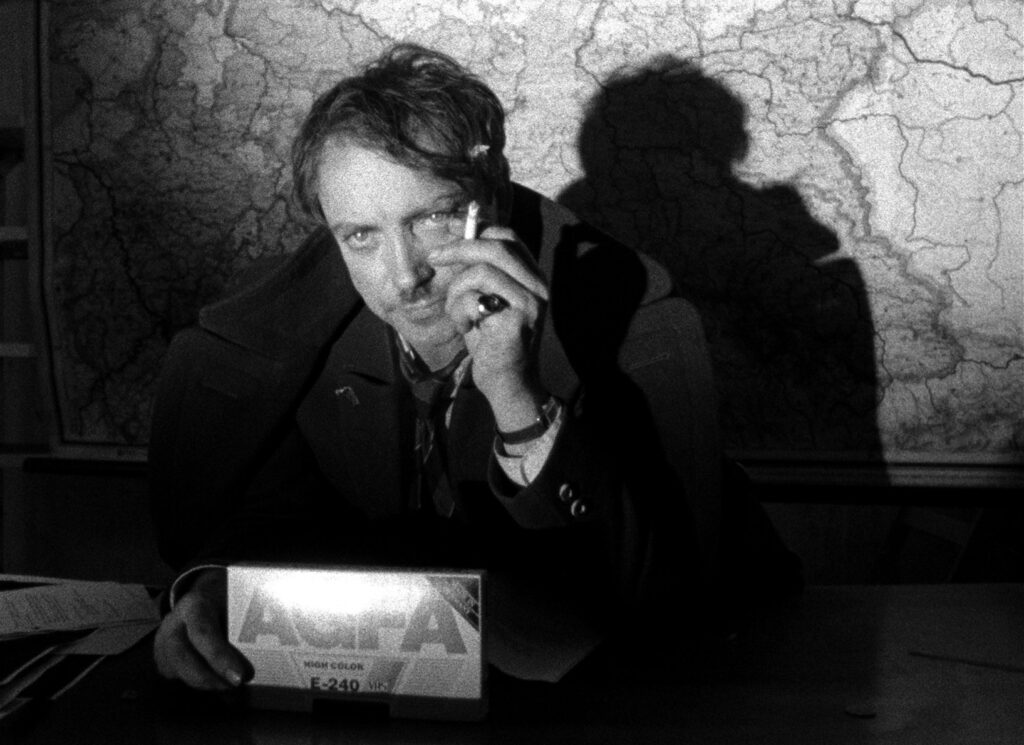
Udo Kier in “100 Jahre Adolf Hitler”
Movie, 55 min.
1989
Photo: © Filmgalerie 451
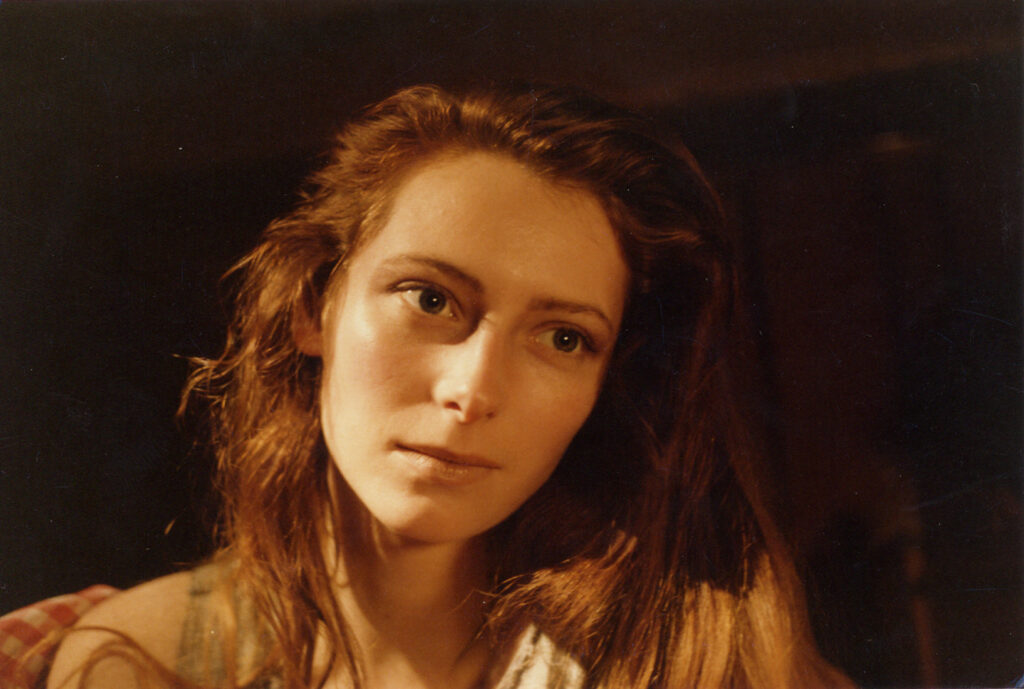
Tilda Swinton in “Egomania – Insel ohne Hoffnung”
Movie, 84 min.
1986
Photo: © Filmgalerie 451
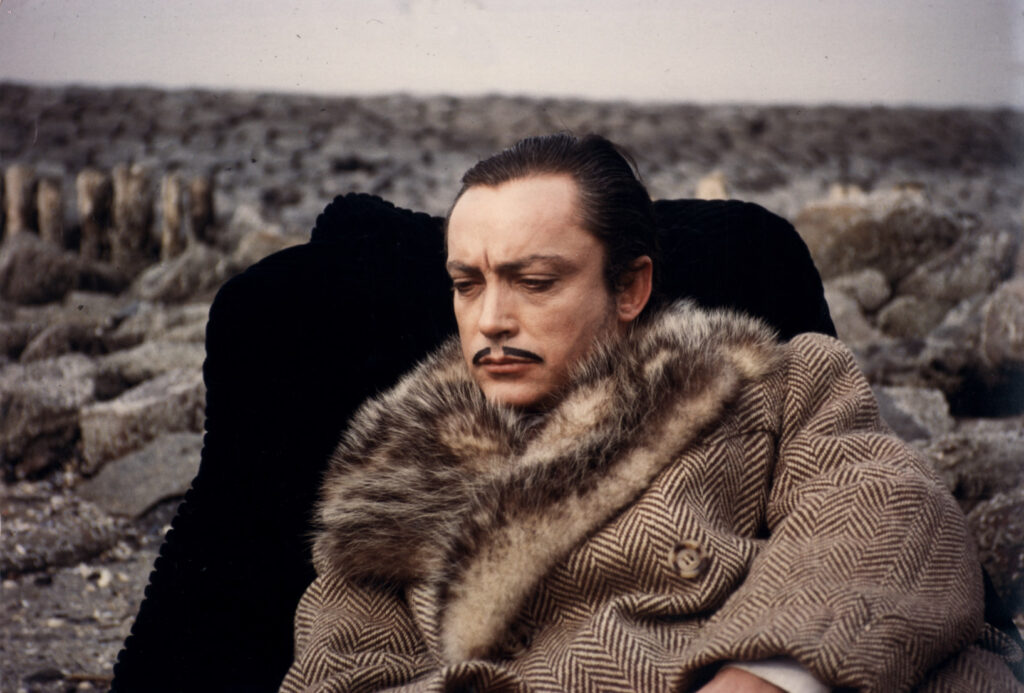
Udo Kier in “Egomania – Insel ohne Hoffnung”
Movie, 84 min.
1986
Photo: © Filmgalerie 451
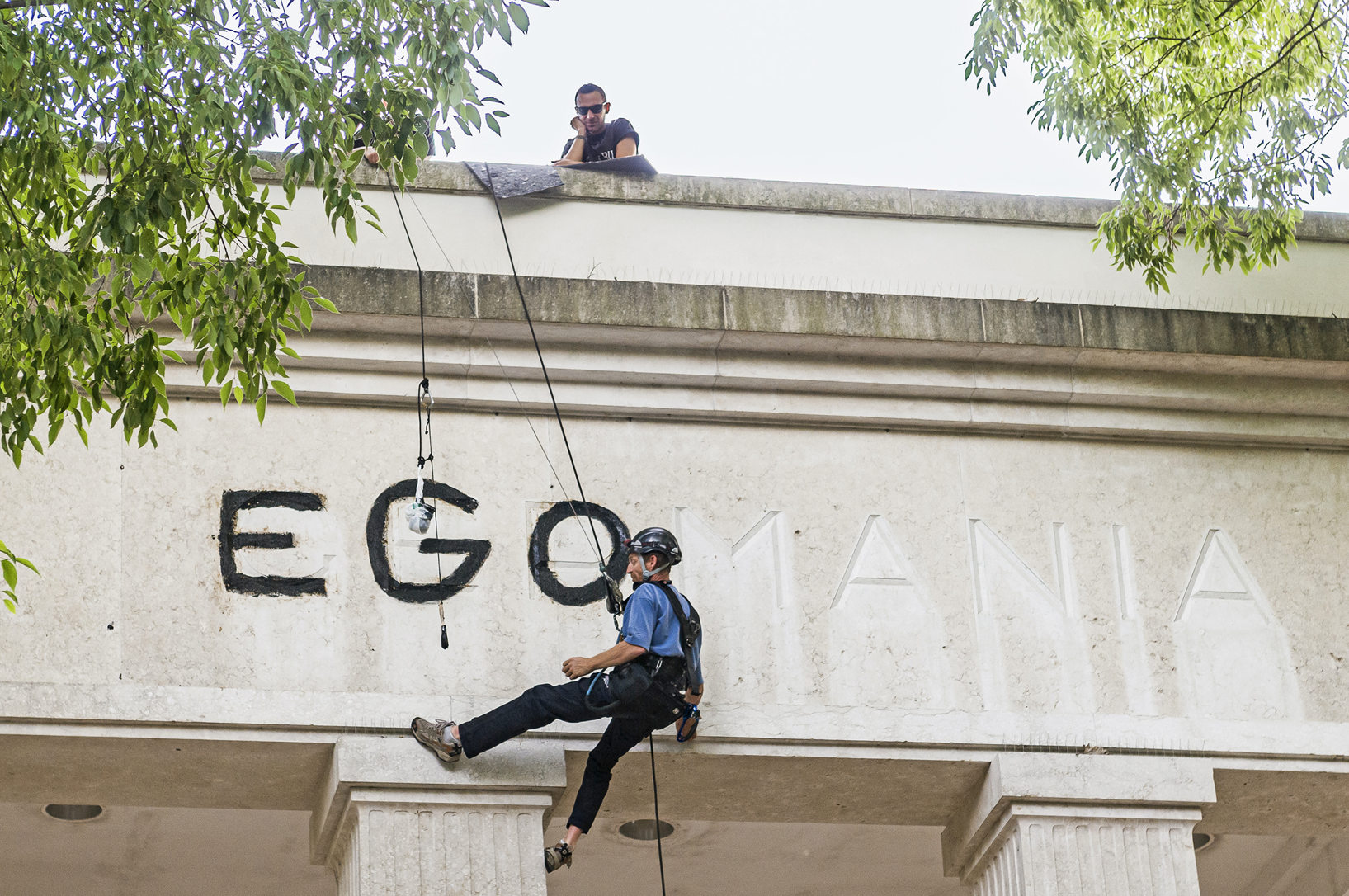
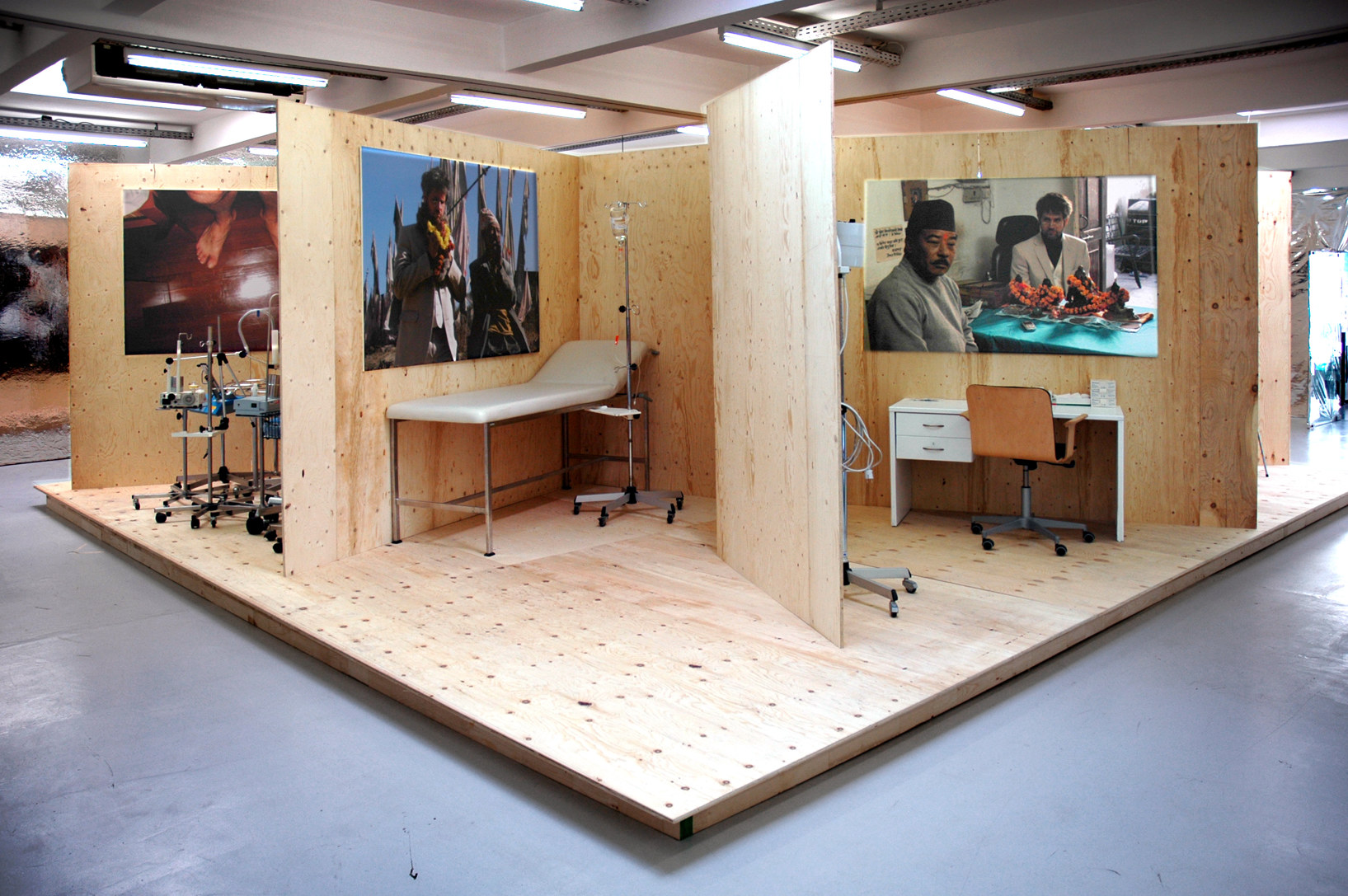
Installation at the German Pavilion, 54th Biennale di Venezia 2011 Photo: © Thorsten Arendt
Der König wohnt in mir Installation view at Kunstraum Innsbruck 2008 Photo: © Leonard Schattschneider
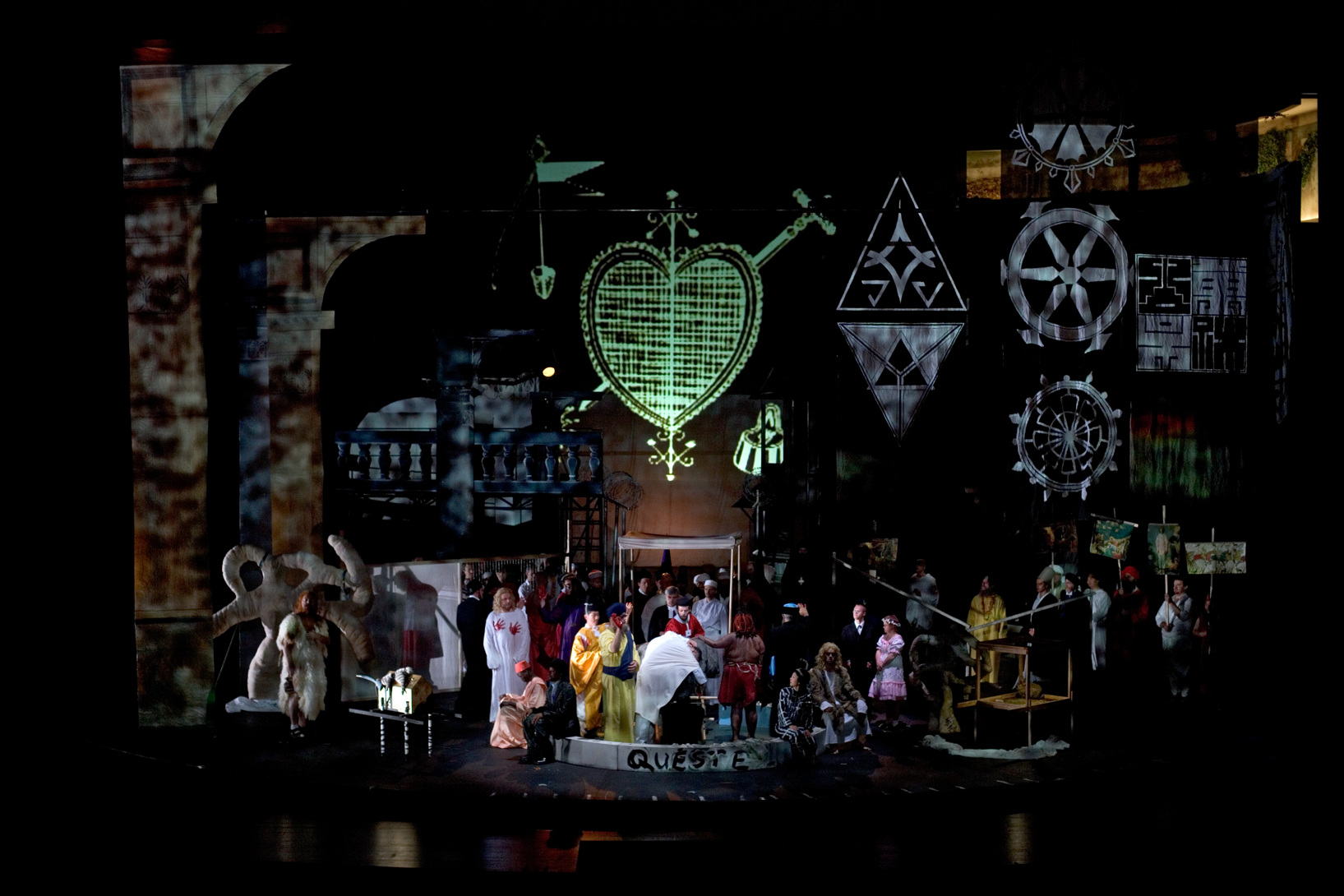
Parsifal Bayreuth Festspielhaus 2005 Photo: © Bayreuther Festspiele GmbH/Jochen Quast
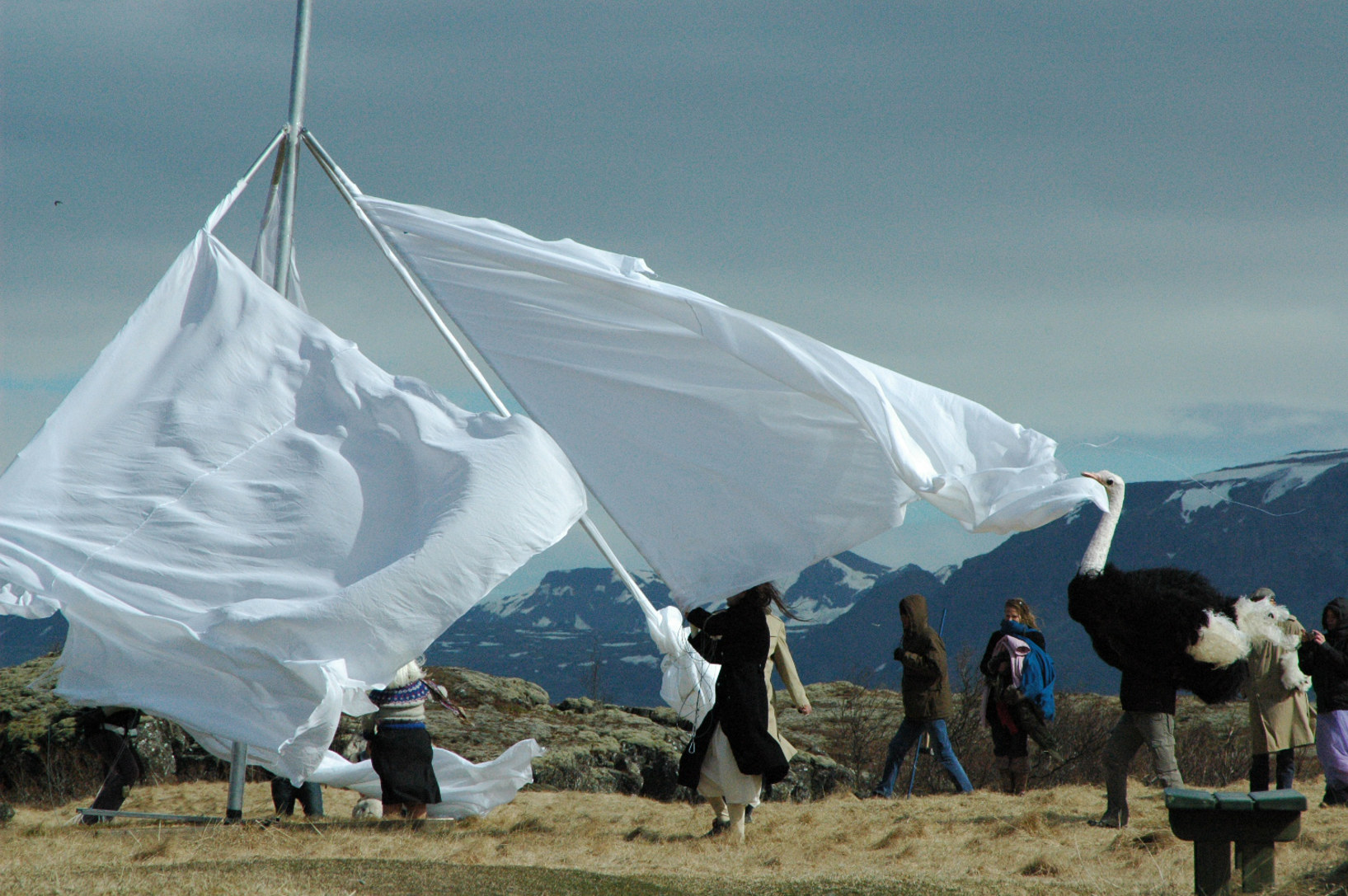
Der Animatograph – House of Obsession (Island Edition) Movie, 15 min. 2005 Photo: Aino Laberenz © Filmgalerie 451
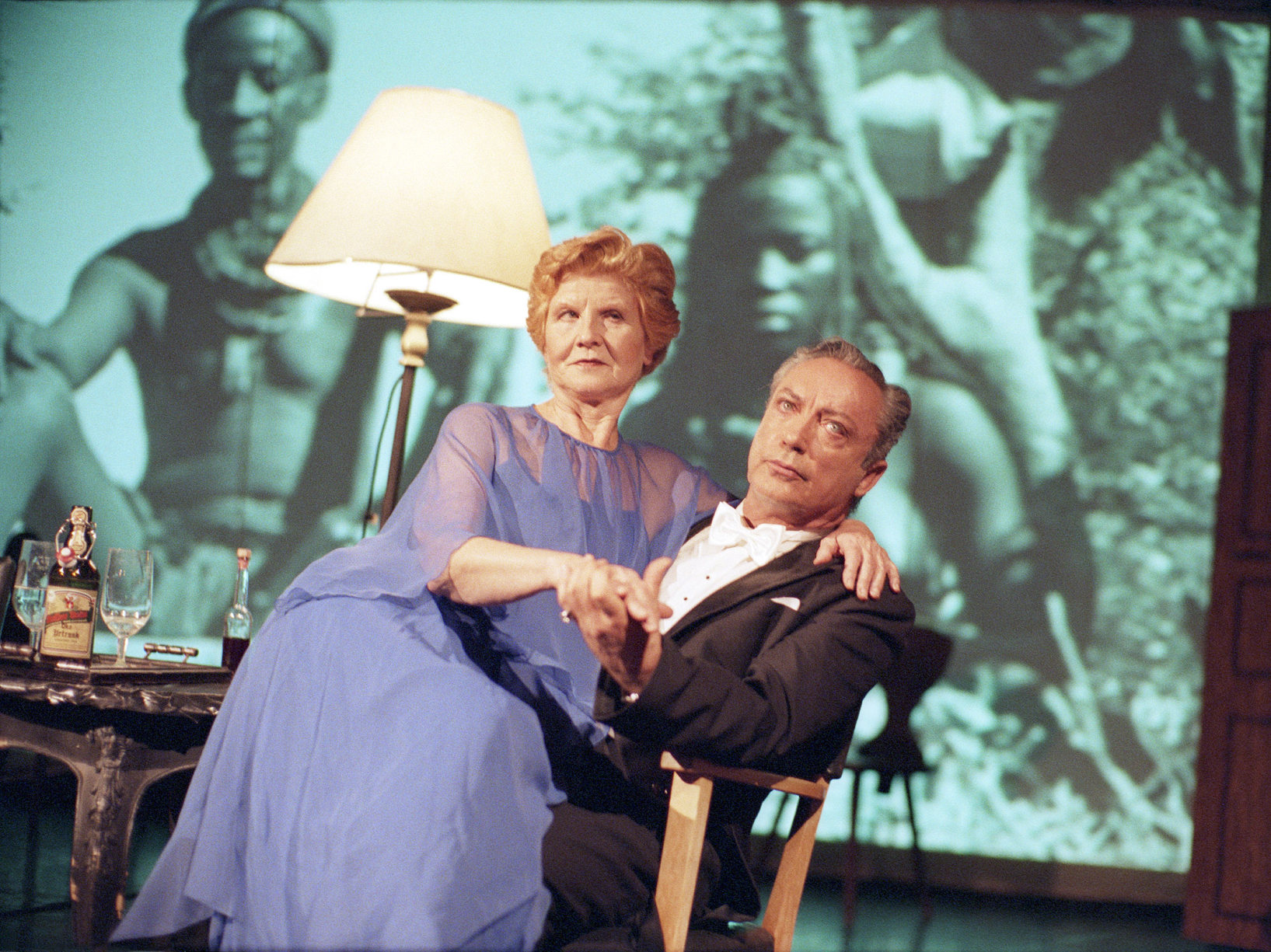
Irm Hermann and Udo Kier in “Kunst und Gemüse, A. Hipler” Premiere at Volksbühne am Rosa-Luxemburg-Platz 2004 Photo: © David Baltzer
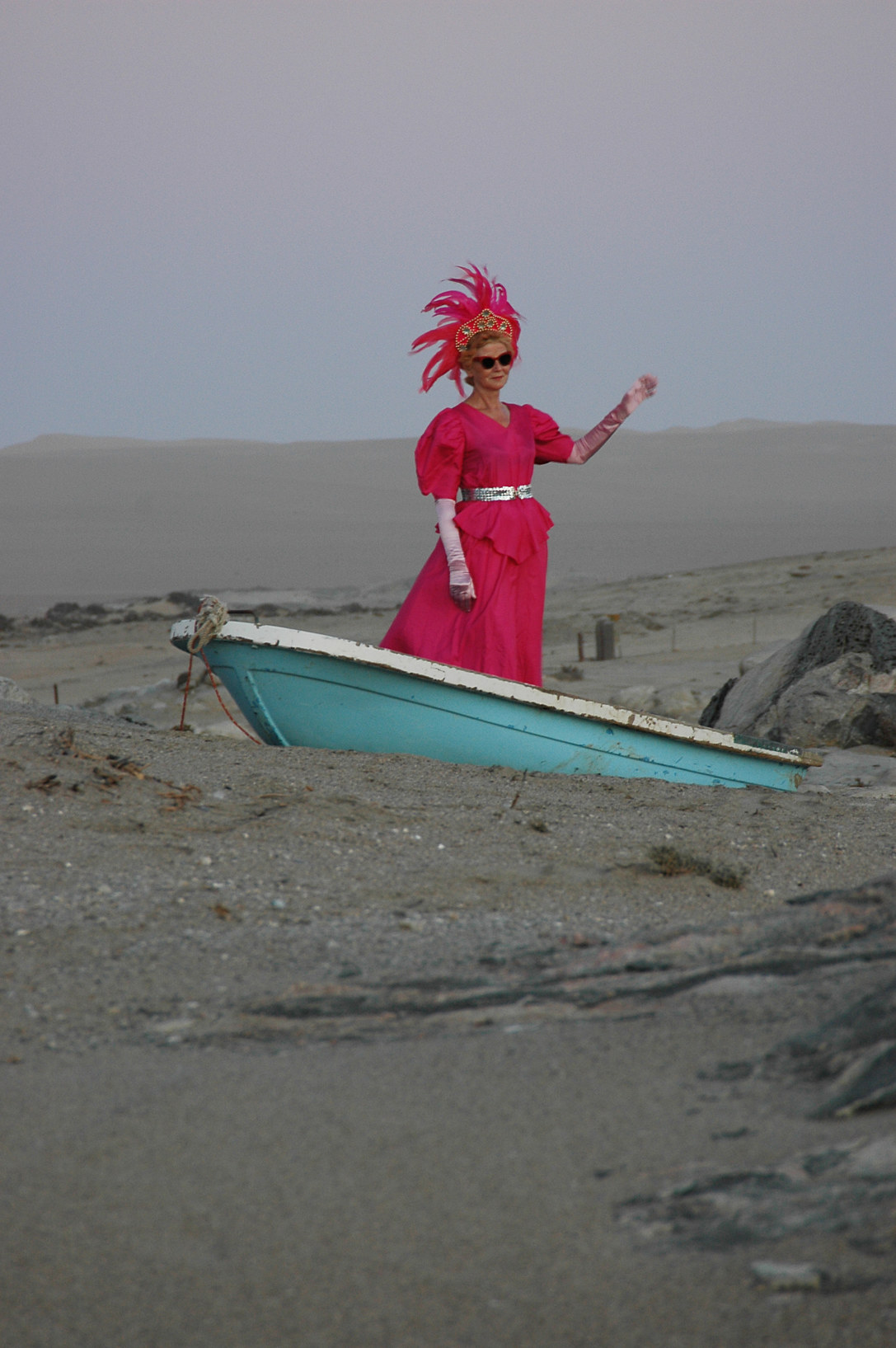
Irm Hermann in “The African Twin Towers – Der Ring – 9/11” Movie, 399 min. 2005 Photo: Aino Laberenz © Filmgalerie 451
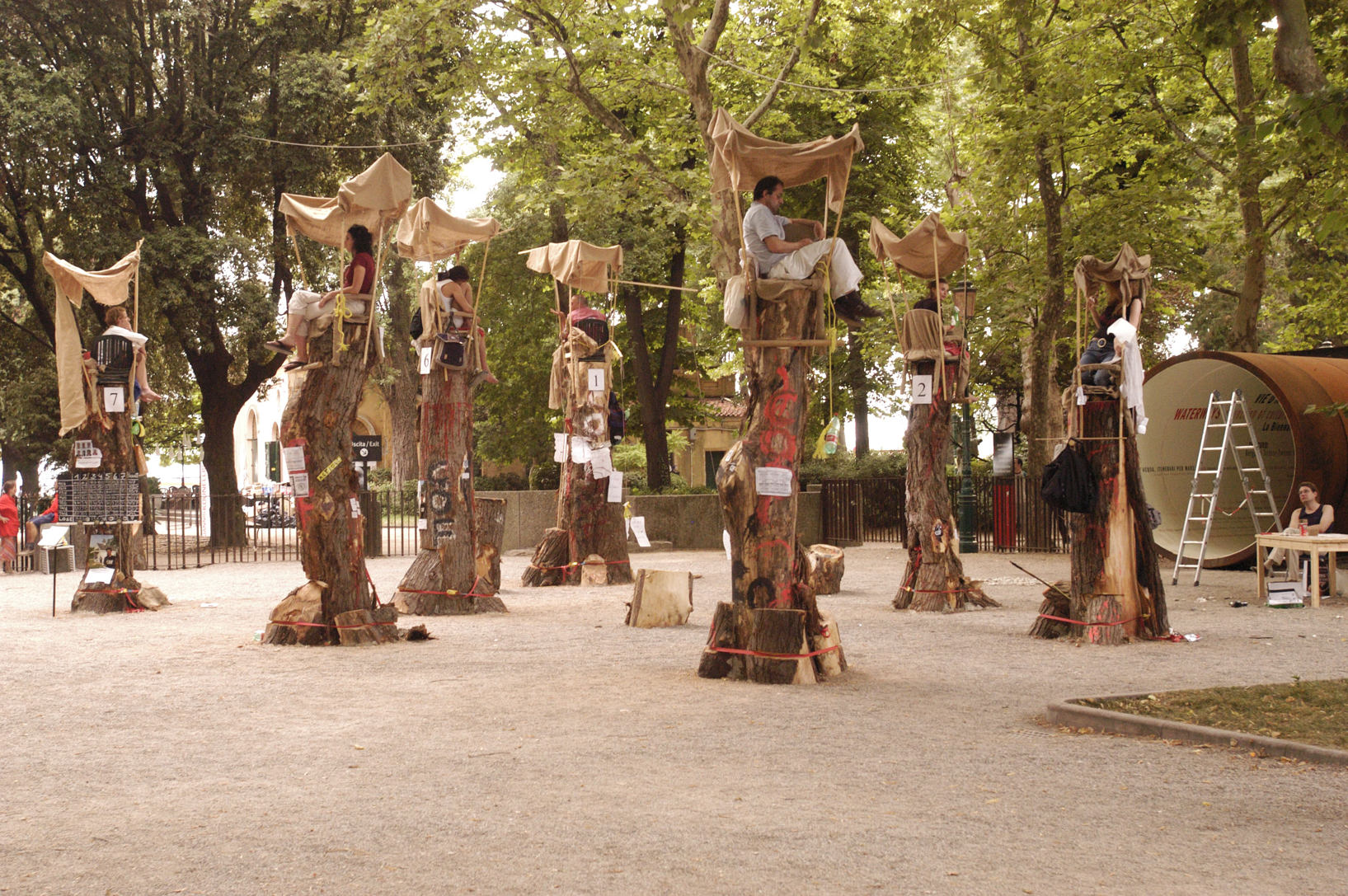
Church of Fear Performance at the entrance to the Giardini, 50th Biennale di Venezia 2003 Photo: © David Baltzer
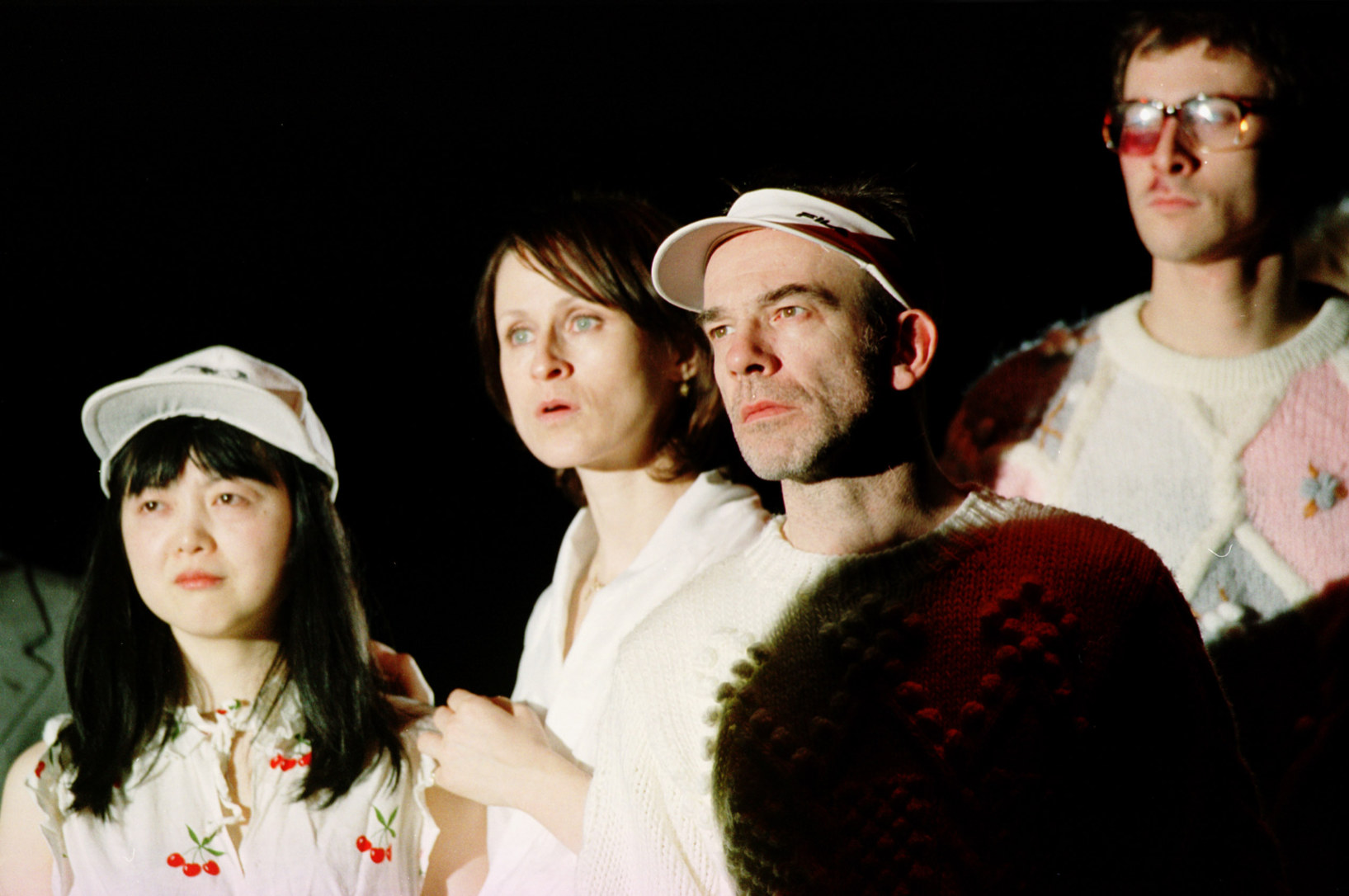
Sophie Rois, Martin Wuttke et al. in “Rosebud” Premiere at Volksbühne am Rosa-Luxemburg-Platz 2001 Photo: © David Baltzer
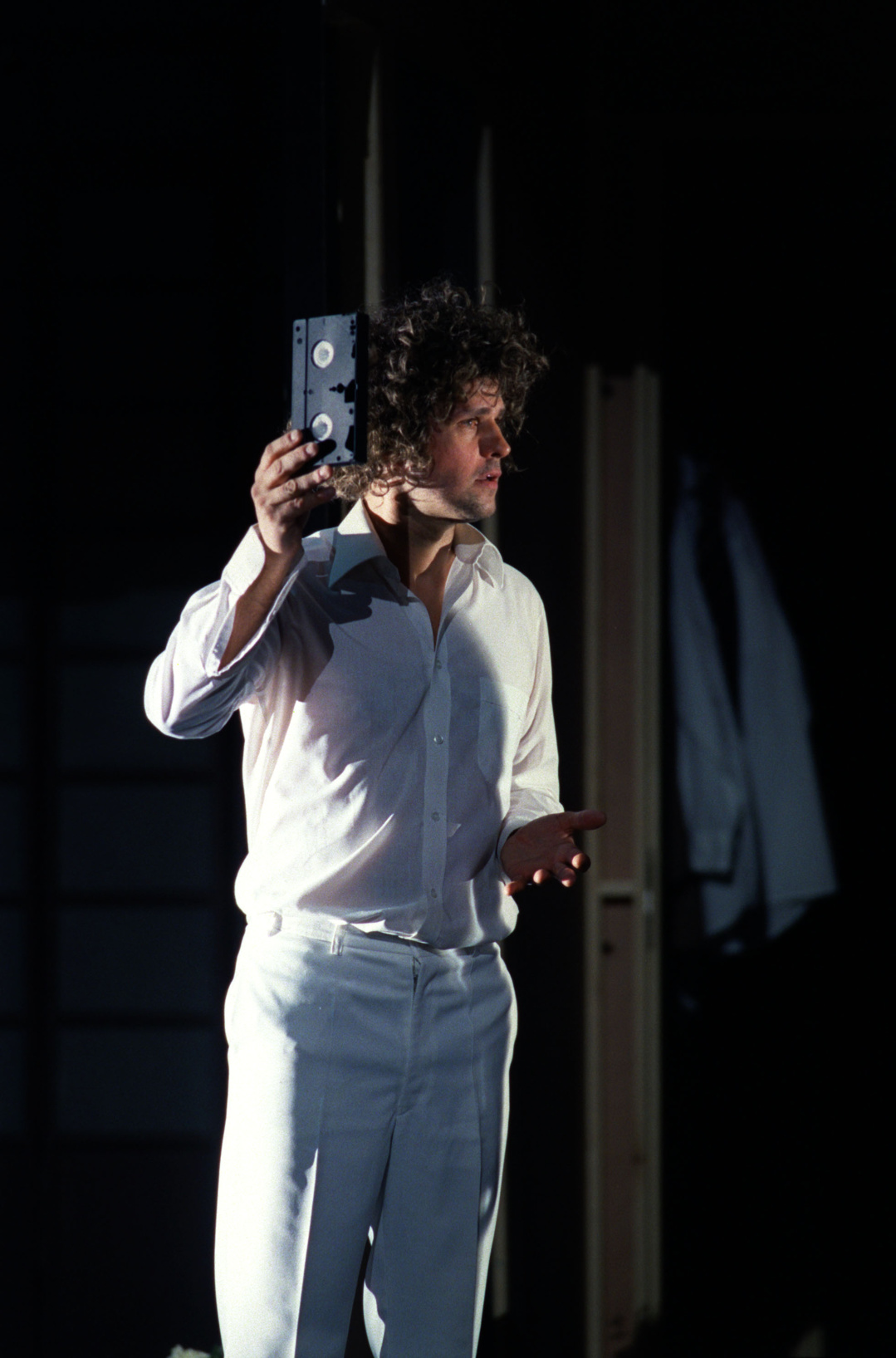
Christoph Schlingensief in “Rosebud” Premiere at Volksbühne am Rosa-Luxemburg-Platz 2001 Photo: © David Baltzer
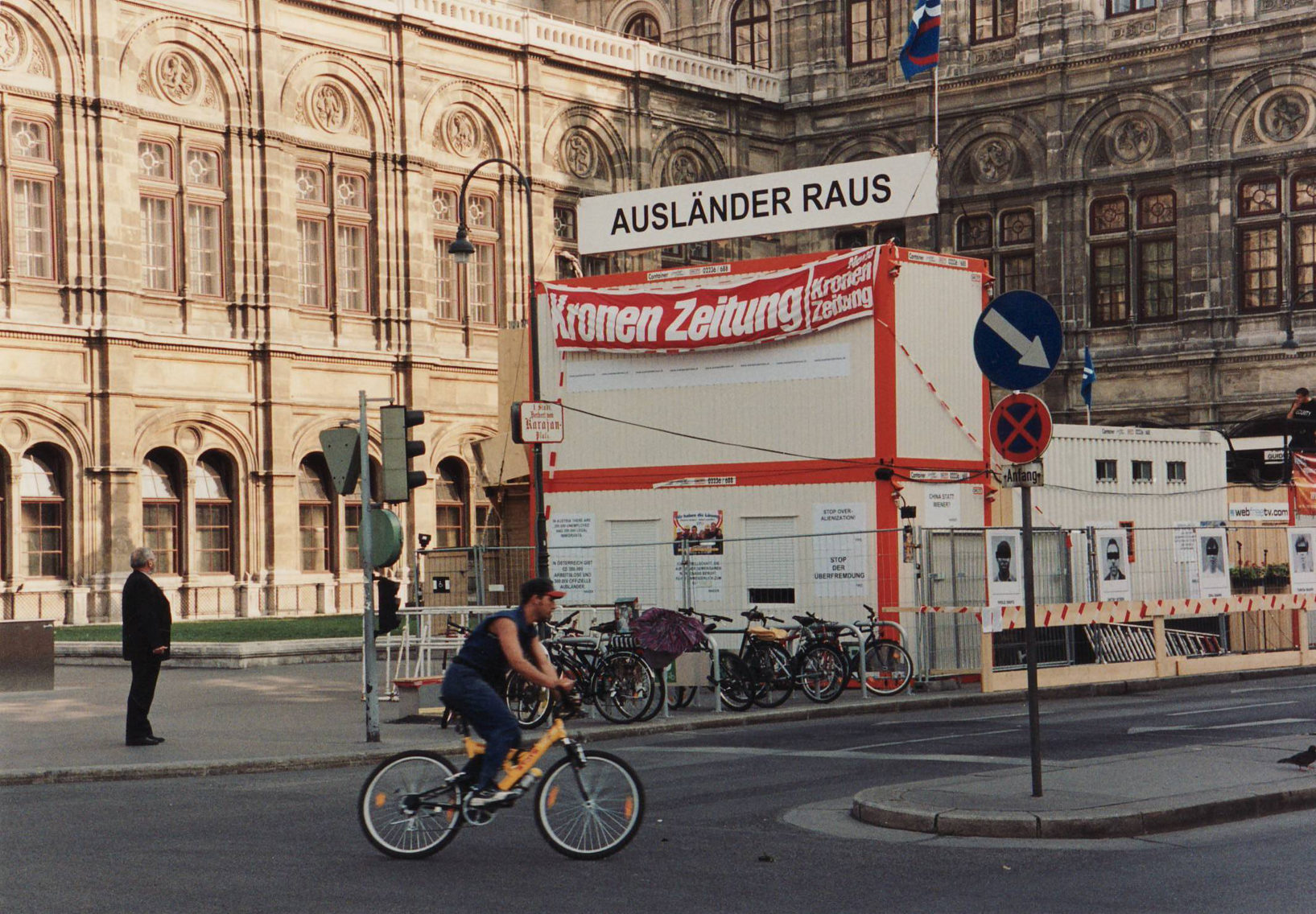
Bitte liebt Österreich Performance at the Vienna State Opera, Wiener Festwochen 2000 Photo: Didi Sattmann © APA-Images / brandstaetter images
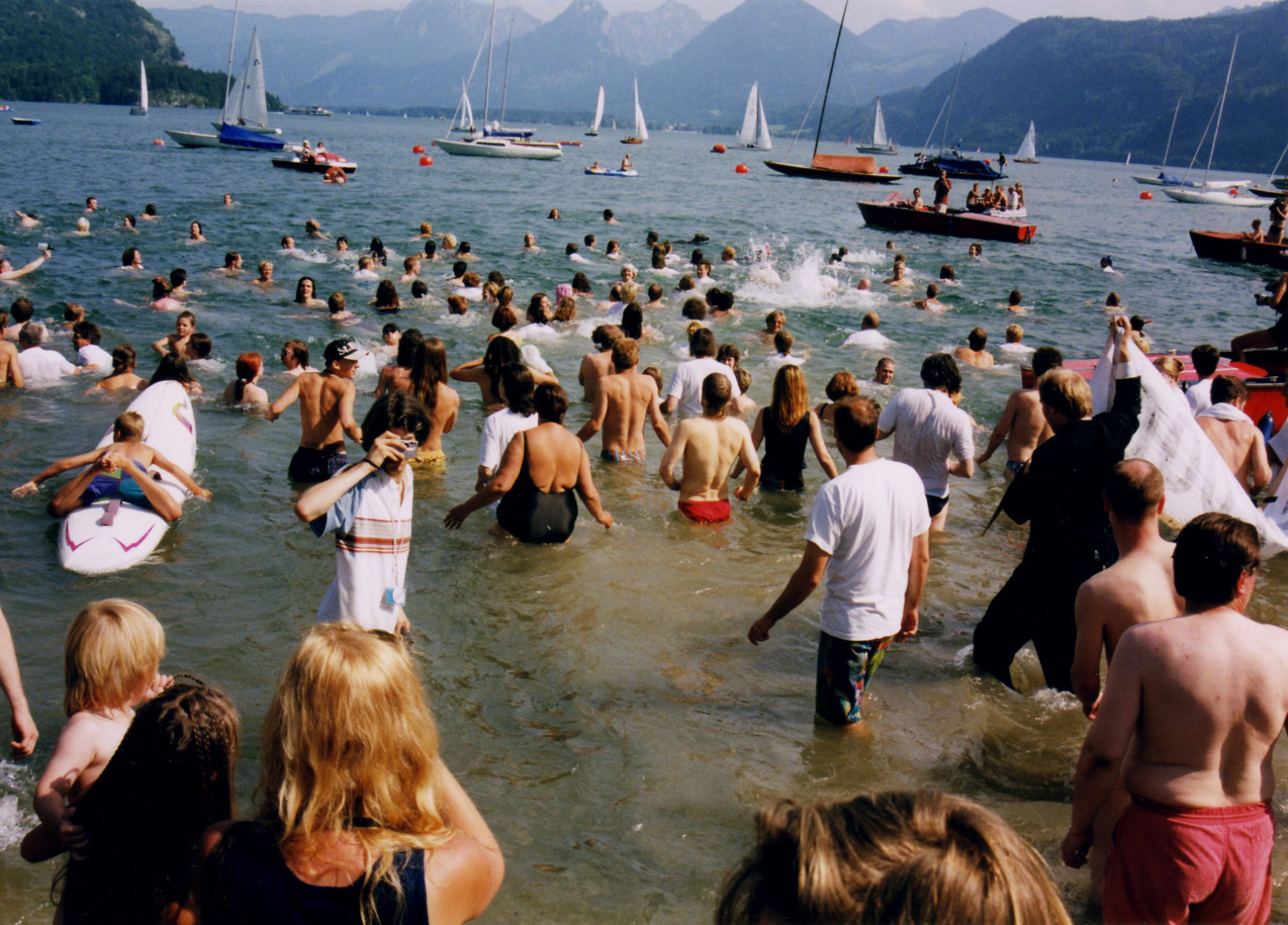
Baden im Wolfgangsee Performance of the political party “Chance 2000” 1998 Photo: © Tobias Mosig
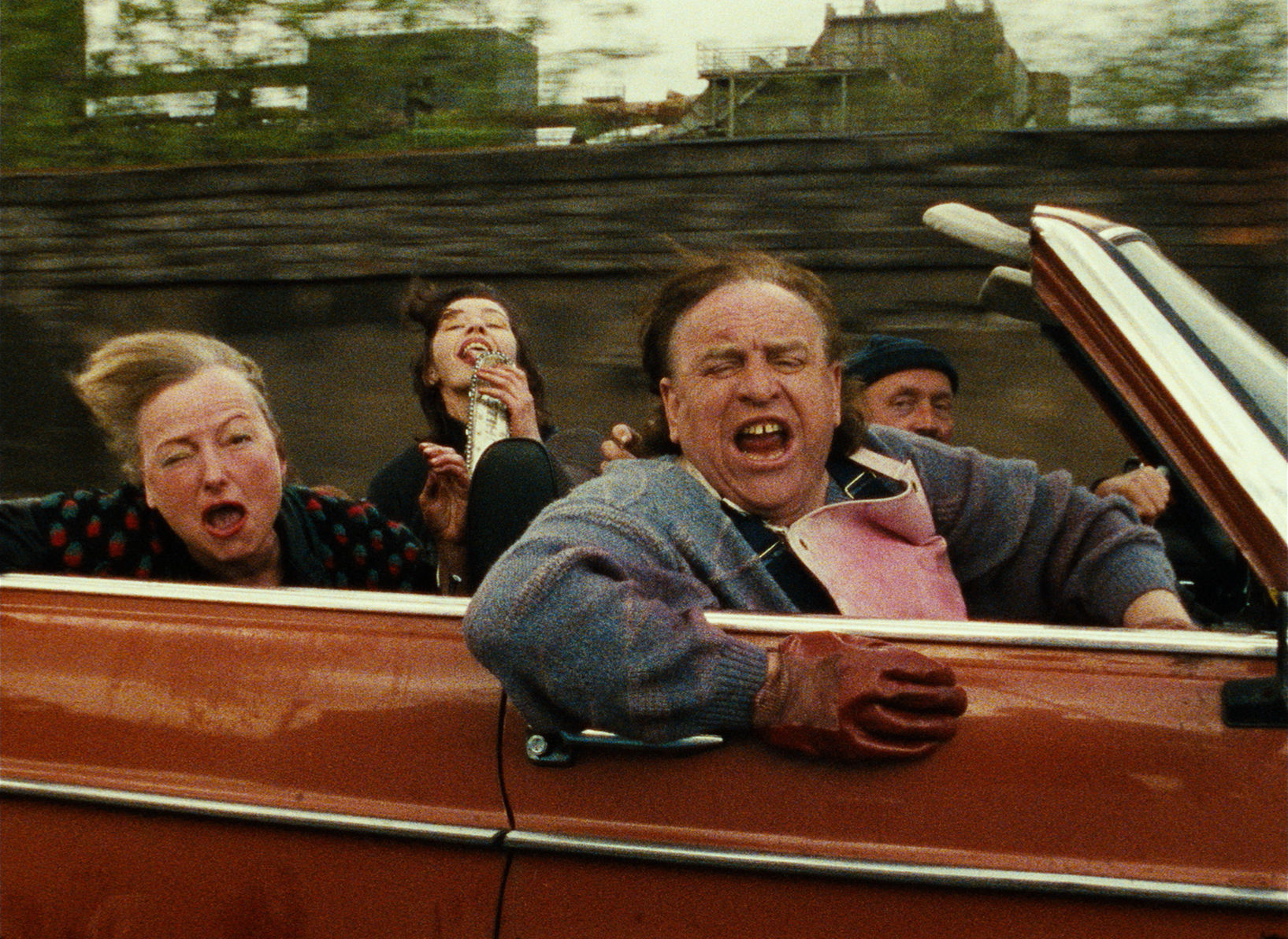
Brigitte Kausch, Susanne Bredehöft, Alfed Edel, Dietrich Kuhlbrodt in “Das Deutsche Kettensägenmassaker” Movie, 60 min. 1990 Photo: © Filmgalerie 451
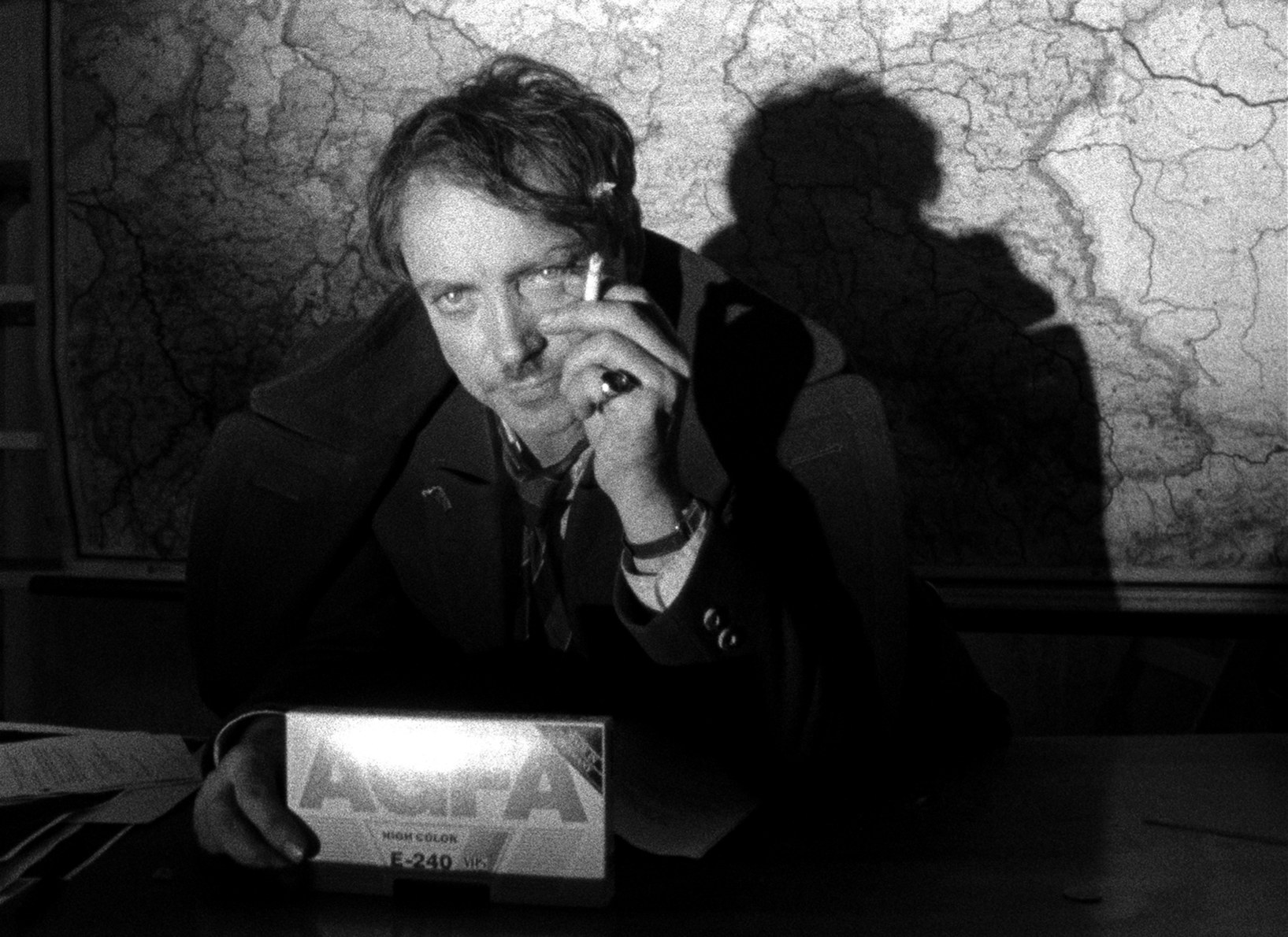
Udo Kier in “100 Jahre Adolf Hitler” Movie, 55 min. 1989 Photo: © Filmgalerie 451
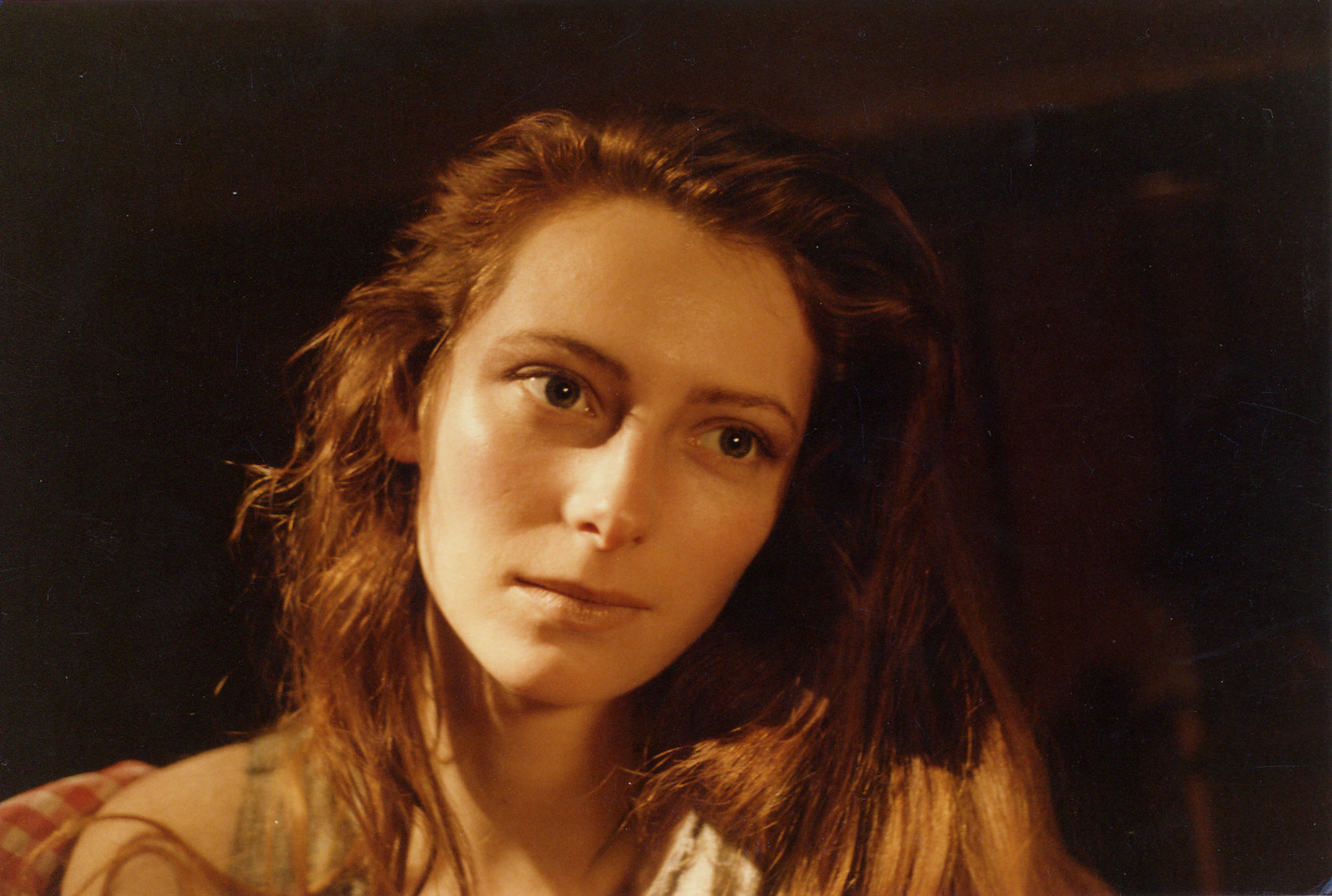
Tilda Swinton in “Egomania – Insel ohne Hoffnung” Movie, 84 min. 1986 Photo: © Filmgalerie 451
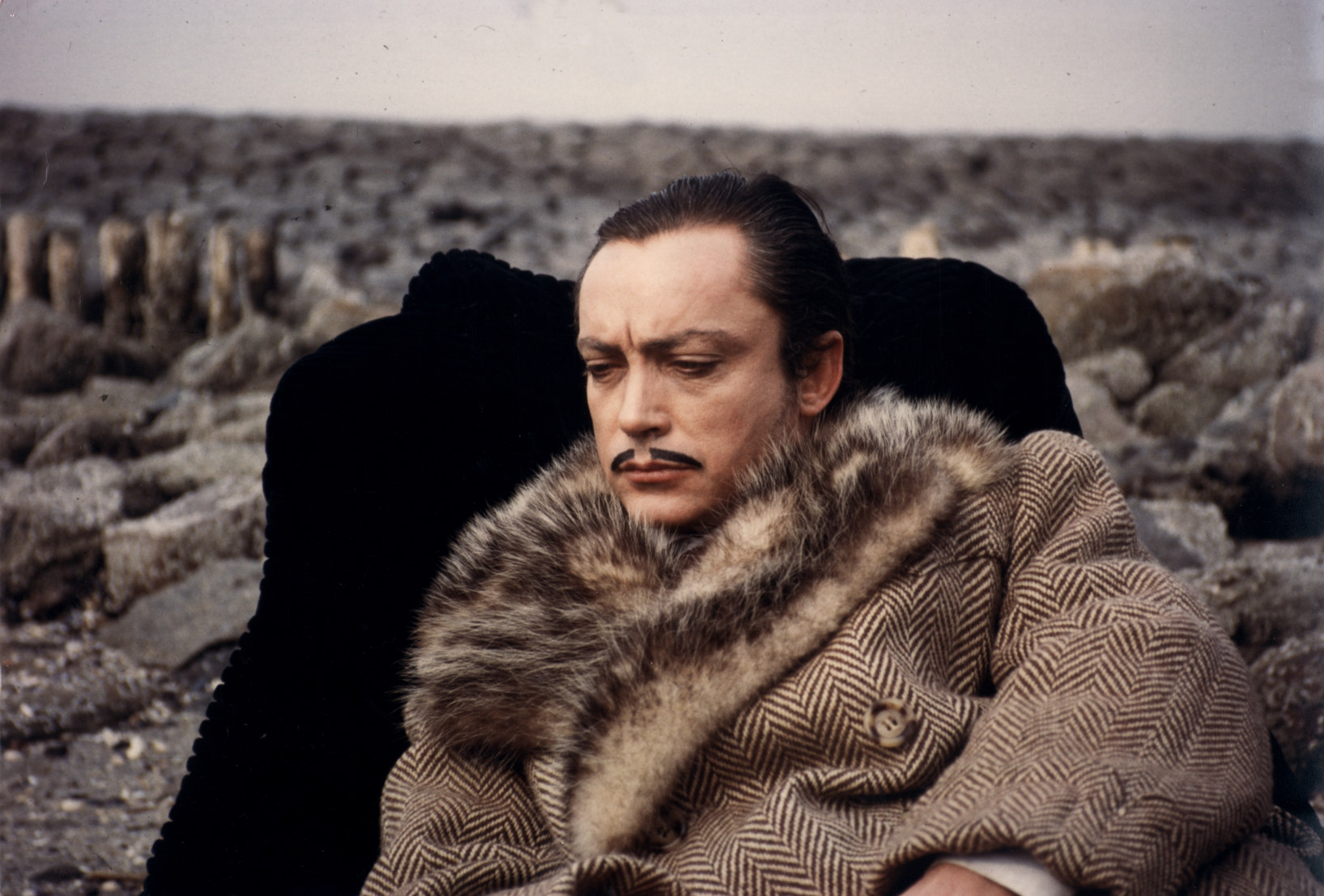
Udo Kier in “Egomania – Insel ohne Hoffnung” Movie, 84 min. 1986 Photo: © Filmgalerie 451


Text
In hindsight, it is unmistakably clear that Christoph Schlingensief, born in 1960 in Oberhausen, was one of the defining artistic voices of his generation. Particularly during the 1990s and 2000s, he exposed the fault lines of social, political, and cultural processes of negotiation—processes whose consequences, and Schlingensief’s own growing relevance, would only become evident to many years or even decades later.
Schlingensief’s practice was never confined to a single medium or clearly defined audience. His hallmark was an attitude—shaped by an uncompromising zest for experimentation. His projects often retained an unfinished, open, and playful quality. He described them as “experimental setups”, remarking: “I have always approached my projects with the openness that they might be wrong. How else should one engage with things?” Exaggeration frequently served as his method of generating insight. Schlingensief was radical—radically honest and radical in aesthetics—and thus also radically vulnerable. As a public figure, his provocations and polarizing presence cost him dearly.
Schlingensief began his career as a filmmaker. His collaborations with Tilda Swinton, Udo Kier, and others have since become legendary. Among his most momentous works are Egomania – Island Without Hope (1986) and the Germany Trilogy (1989–92). In the 1990s, he turned increasingly towards the stage, holding the position of director at Berlin’s Volksbühne as well as working at other venues. He was drawn to immediacy and to the feedback loops generated through direct engagement with audiences. In 1997 he participated in documenta X, after which he developed action-based projects that gradually expanded into the realm of contemporary art.
In the years that followed, reality, theatre, and action merged into a genre of its own, exposing the inhumanity of contemporary political discourse. One example is the action in which six million unemployed Germans were invited to enter Austria’s Wolfgangsee simultaneously, raising the water level in a symbolic attempt to flood the summer residence of Chancellor Helmut Kohl. The container installation Bitte liebt Österreich (2000) denounced the country’s right-wing tendencies by adopting the format of the then-popular Big Brother: callers could vote asylum seekers “out,” while the supposed “winner” was promised Austrian citizenship. Ahead of the 1998 German federal elections, Schlingensief founded the party Chance 2000, anticipating the future fragmentation of the political landscape.
Continue reading
In 2004, Schlingensief staged his first opera, Richard Wagner’s Parsifal, at the Bayreuth Festival. Despite—or perhaps because of—his confrontation with the composer’s family, the reception was met with an enthusiastic response. The revolving stage in Bayreuth inspired his long-term project, the Animatograph, a constellation of display screens navigated by viewers at their own pace. This, once again, served as a means of activating the audiences and liberating them from a passive role. From the early 2000s onward, Schlingensief became increasingly active in the visual arts; Hauser & Wirth began representing him internationally. In 2003, invited by Hans Ulrich Obrist, he participated in the 50th Venice Biennale with the Church of Fear.
Today, we may attempt to frame the many facets of Schlingensief’s oeuvre with terms such as institutional critique, artistic research, postcolonialism, or artistic activism—concepts that, in their current form, barely existed during his lifetime and which he anticipated or helped to shape. Over the years, his often misunderstood humanism emerged as the driving force behind his entire oeuvre. Shaped by the legacy of the 1968 movement, Schlingensief was convinced that art carries a social responsibility. He resisted both detached, analytical stance and the cynical post-irony that prevailed in his time.
In 2008, Schlingensief was diagnosed with cancer. He addressed his illness with the same radical courage and emotional candor that defined his artistic practice. His cancer diary, So schön wie hier kanns im Himmel gar nicht sein, was published in 2009.
Schlingensief died in 2010 at the age of 49. He was unable to complete his concept for the German Pavilion at the 54th Venice Biennale; Susanne Gaensheimer and Aino Laberenz realized the project, which was awarded the Golden Lion in 2011. It remains a cornerstone of his legacy, as does his ambitious vision of an “opera village” in Burkina Faso. Following his first trip to Africa in 1993, African countries, cultures, and collaborators became central to his practice. Shortly before his death, the foundation stone for the Operndorf was laid—conceived as a space for intercultural exchange and as local infrastructure with a school and medical station. Today, the Operndorf, along with the artist’s estate, is overseen by his long-time partner Aino Laberenz.
Chronology
Biography
1960
Born in Oberhausen
1983–1986
Teaching appointments at the University of Art and Design Offenbach am Main and the Düsseldorf Art Academy
1998
Founded the political party CHANCE 2000
2009
Professor of Fine Arts, Düsseldorf Art Academy and Braunschweig University of Art
2009
Jury member, Berlin International Film Festival (Berlinale)
2010
Founded Festspielhaus Afrika
Died in Berlin on August 21
Selected Solo Exhibitions
2026
Christoph Schlingensief: Es ist nicht mein Problem, macht eure Scheiße alleine (AT), Gropius Bau, Berlin
Christoph Schlingensief: Es ist nicht mehr mein Problem!, Museum für
angewandte Kunst, Vienna
2025
Christoph Schlingensief: Nach Christoph Schlingensief, 47m Contemporary, Leipzig
2024
Christoph Schlingensief: Deutschlandsuche (Searching for Germany), Galerie Crone, Berlin
2008
Christoph Schlingensief: Mozartballs. My first homosexual production, Galerie Thiele, Linz
Christoph Schlingensief: Der König wohnt in Mir, Autocenter, Berlin; Kunstraum, Innsbruck
Christoph Schlingensief, Charim Galerie, Vienna
Christoph Schlingensief: The African Twintowers, Steirischer Herbst, Neue Galerie, Graz
2007
Christoph Schlingensief: Querverstümmelung, Migros Museum für Gegenwartskunst, Zurich
Christoph Schlingensief: Tagebuchtapes, Dany Keller Galerie, Munich
Christoph Schlingensief: 18 Bilder pro Sekunde, Haus der Kunst, Munich
2006
Kaprow City: Ein Environment von Christoph Schlingensief, Volksbühne am Rosa-Luxemburg-Platz, Berlin
Christoph Schlingensief: Animatograph. Edition Parsipark, Museum der Bildenden Künste, Leipzig
Christoph Schlingensief, Hochschule für Bildende Kunst, Braunschweig
Christoph Schlingensief: Chicken Balls. Der Hodenpark, Museum der Moderne, Salzburg
2005
Christoph Schlingensief: Der Animatograph. Odins Parsipark, Schloss Neuhardenberg, Neuhardenberg
Christoph Schlingensief: Project AC. Church of Fear, Museum Ludwig, Cologne
Christoph Schlingensief: Animatograph. House of Obsession, Klink og Bang Galerie, Reykjavik
Selected Group Exhibitions
2025
Zerreißprobe: Kunst zwischen Politik und Gesellschaft. Sammlung der Nationalgalerie 1945 – 2000, Neue Nationalgalerie, Berlin
2009
Bilderschlachten: 2000 Jahre Nachrichten aus dem Krieg, Museum Industriekultur/Kunsthalle Dominikanerkirche/Erich Maria Remarque Friedenszentrum, Osnabrueck
Nitsch: Role models, contemporaries, doctrine, Künstlerhaus, Vienna
2008
Traces du Sacré, Centre Georges Pompidou, Paris; Haus der Kunst, Munich
Double Agent, Institute of Contemporary Art, London; Mead Gallery, Warwick Arts Centre, Warwick; BALTIC Centre for Contemporary Art, Gateshead
To Burn Oneself with Oneself: The Romantic Damage Show, de Appel, Amsterdam
Summer. Special. Part I: Accrochage, Galerie Thiele, Linz
Forgotten Bar Project, Galerie im Regierungsviertel, Berli
Medium Religion, ZKM Museum für Neue Kunst, Karlsruhe
2007
Hugo Ball: Fuga Saeculi, Cabaret Voltaire, Zurich
Tandem: 50 Jahre Mülheimer Kunstverein, Kunstmuseum Mülheim, Mülheim an der Ruhr
2006
The Three Cities, The Warehouse, London
Into Me: Out of Me, KW Institute for Contemporary Art, Berlin; MARCO, Rome
Das Öffnen und Schliessen des Mundes, Galerie Julius Hummel, Vienna
Die Kunst auf der Bühne: Les Grands Spectacles II, Museum der Moderne Salzburg, Salzburg
Wiener Aktionismus, Museum Moderner Kunst Stiftung Ludwig Wien, Vienna
Goetz meets Falckenberg, Sammlung Falckenberg, Hamburg
2005
36 x 72 x 10, Volkspalast, Berlin
Reykjavik Arts Festival, Reykjavik
Puppets & Heavenly Creatures, Thyssen-Bornemisza Art Contemporary, Vienna
2004
wenn PANIK dann JETZT, Galerie Loyal, Kassel
Utopia Station, Haus der Kunst, Munich
Sommerfrische: Künstlervideos mit Esprit, Hamburger Kunsthalle Hamburg
Experience. Memory. Reenactment, TENT, Rotterdam
2003
Church of Fear, La Biennale di Venezia, Venice
2001
Televisions: Kunst sieht fern, Kunsthalle Wien, Vienna
1999
Digitale’99, Kunsthochschule für Medien, Cologne
1998
Chance 2000, Berlin Biennale, Berlin
7 Tage Entsorgung für Graz, Steirischer Herbst, Graz
Plays, Operas, Performances, Installations, Film Festivals
2010
Metanoia, Staatsoper, Berlin (posth.)
2009
Mea Culpa: Eine ReadyMadeOper, Burgtheater, Vienna
Eine Kirche der Angst vor dem Fremden in mir: Fluxus Oratorium, Theatertreffen, Berlin
Eine Kirche der Angst vor dem Fremden in mir: Fluxus Oratorium, Holland Festival, Amsterdam
Mea Culpa: Eine ReadyMadeOper, Bayerische Staatsoper, Munich
2008
The African Twintowers, 58. Internationale Filmfestspiele, Berlin
Jeanne d’Arc: Szenen aus dem Leben der heiligen Johanna, Deutsche Oper, Berlin
Eine Kirche der Angst vor dem Fremden in mir: Fluxus Oratorium von Christoph Schlingensief, Ruhrtriennale, Duisburg
The African Twintowers: Stairlift to Heaven, Theater Hebbel am Ufer / HAU2, Berlin
The African Twintowers, Theaterakademie, Ludwigsburg
Der Zwischenstand der Dinge, Gorki Studio, Berlin
2007
Der fliegende Holländer, Teatro Amazonas, Manaus
Die Piloten: 10 Jahre Talk 2000, Akademie der Künste, Berlin
Trem Fantasma: Erster Prototyp einer Operngeisterbahn, SESC, Sao Paulo
2006
Kaprow City, Volksbühne am Rosa-Luxemburg-Platz, Berlin
Area 7: Eine Matthäusexpedition, Burgtheater, Vienna
2005
Animatograph: Iceland Edition, Klink & Bank Galerie, Reykjavik
Animatograph: The African Twintowers, Luederitz
Church of Fear, Weltjugendtag, Cologne
2004
Wagner-Rallye 2004, Ruhrfestspiele, Recklinghausen
Parsifal, Richard-Wagner-Festspiele, Bayreuth
Attabambi-Pornoland, Schauspielhaus, Zurich
2003
Church of Fear, 3. Internationaler Pfahlsitz-Wettbewerb, Frankfurt
Church of Fear: Abendmahl, Frankfurt
Church of Fear: Schreitender Leib, Cologne/ Frankfurt
Church of Fear, 2. Internationaler Pfahlsitz-Wettbewerb, Kathmandu
Church of Fear, 1. Internationaler Pfahlsitz-Wettbewerb, La Biennale di Venezia, Venice
Bambiland, Burgtheater, Vienna
2002
Aktion 18: Tötet Politik!, Festival Theater der Welt, Düsseldorf/ Duisburg
2000
Bitte liebt Österreich, Wiener Festwochen, Vienna
1999
Deutschlandsuche ’99, Volksbühne am Rosa-Luxemburg-Platz, Berlin; Hamburg; Graz; across various cities in Namibia
1998
7 Tage Entsorgung für Graz: Künstler gegen Menschenrechte, Steirischer Herbst, Graz
Chance 2000: Wahldebakel ’98, Volksbühne am Rosa-Luxemburg-Platz, Berlin
Tour des Verbrechens, Wahlkampftournee von Chance 2000, throughout Germany
Chance 2000: Baden im Wolfgangsee, St. Gilgen
Chance 2000: Wahlkampf in Deutschland, Theaterhaus, Stuttgart/ Voderhaus, Freiburg
CHANCE 2000: Wahlkampfzirkus ’98, Volksbühne am Rosa-Luxemburg-Platz, Berlin
1997
Passion Impossible, Bahnhofsmission/Deutsches Schauspielhaus, Hamburg
Mein Filz: Mein Fett. Mein Hase, documenta X, Kassel
Films
1995
United Trash
1993
Abschied von Agnes
Texas: Doc Snyder hält die Welt in Atem
1992
Tod eines Weltstars: Portrait Udo Kier
Terror 2000: Intensivstation Deutschland
1992-1993
Die Ausserirdischen, Short movies for WDR/ARD
Teddy Parker
Atze Hotzler: Pornofilm im Ruhrgebiet
Stasi-Hund Bello, Short movie for Kurzfilmtage Oberhausen
1991
Gossenkind: Sehnsucht der Kinderschänder
1990
Das deutsche Kettensägenmassaker
1988
100 Jahre Adolf Hitler: Die letzte Stunde im Führerbunker
Schafe in Wales
1987
Sukkubus Sukkubus: Den Teufel im Leib
Mutters Maske
Wild auf Kino: Eine Reise durch den allerjüngsten deutschen Film
Der Werwolf von W.
1986
Die Schlacht der Idioten
Egomania: Insel der Hoffnung
Johnny Flash
1985
Menu Total/ Meat, Your Parents
Was geschah wirklich zwischen den Bildern?
My Wife in 5
Bye, Bye
1984
Ringsherum
Der Kontrabaß im Leichenwagen
Bemerkungen
1983
Tunguska: Die Kisten sind da
What happened to Magdalena Jung? Die Macht der Unschuld
Phantasus muss anders werden / Phantasus go home
1982
Wie würden Sie entscheiden?
Für Elise
Nekes
Abfall: Ein kostbarer Rohstoff
1981
Doktor Faustus
Strommberg: Die letzte Nacht
Eggtime
1978
Der seltsame Gedanke des Ortes B.
Punkt
1977
Mensch, Mami, wir drehn´nen Film
1976
Das Geheimnis des Grafen von Kraunitz
1975
Columbo
1974
Das Totenhaus der Lady Florence
1973
Rex, der unbekannte Mörder von London
1972
Wer tötet, kommt ins Kittchen
1970
Erdkundefilm
1969
Die Schulklasse
1968
Eine kleine Kriminalgeschichte
Kurzer Dreh mit Christoph Schlingensief
Allerlei Sachen’
Mein 1. Film
Der Fahnenschwenkerfilm
TV Works
2002
Freakstars 3000, 6 episodes on VIVA
Durch die Nacht mit …, 3 episodes on ZDF/ARTE
2000
U – 3000, 6 episodes on MTV
1997
Talk 2000, 6 episodes on VOX
Audio books
2006
18 Hörspiele in einer Sekunde, WDR, Cologne
2003
Freakstars 3000. Mutter sucht Schrauben, Hörverlag, Munich
2002
Rosebud, WDR, Cologne
1999
Lager ohne Grenzen, WDR/DLR, Berlin
Radio P.S.1 Radioshow, P.S.1, Contemporary Art Center, New York
1997
Rocky Dutschke ‘68, WDR, Cologne
Awards and Honors
2018
Karlheinz-Böhm–Prize, for the Operndorf Afrika in Burkina Faso, Munich
2015
Konrad-Wolf-Prize, Berlin
2012
Renaming of the Rheinische Förderschule Oberhausen to Christoph-Schlingensief-Schule, Oberhausen
Renaming of Pacellistraße in Oberhausen to Christoph-Schlingensief-Straße, Oberhausen
2011
Golden Lion (Leone d’Oro), at the Venice Biennale for Best National Participation (German Pavilion), Venice
Hein-Heckroth-Stage Design Prize, Gießen
3sat-Prize (for the staging of the play Via Intolleranza II), Berlin
2010
Bambi Award, Potsdam
Helmut-Käutner-Prize, Dusseldorf
2009
Nestroy Theatre Prize, nomination as best Director for Mea Culpa. Eine ReadyMadeOper at the Wiener Burgtheater, Vienna
Berliner Bär, B.Z.-Culture-Prize, Berlin
2007
Ruhr Prize for Art and Science, Ruhr Region
2005
Hof Film Prize (City of Hof Film Award), Hof
2003
Hörspielpreis der Kriegsblinden, Cologne
1987
Sponsorship Prize of the Ruhr Prize for Art and Science of the City of Mülheim an der Ruhr, Mülheim an der Ruhr
1986
Funding Prize of the State of North Rhine-Westphalia, North Rhine-Westphalia
1985
North Rhine-Westphalian Producers’ Prize, North Rhine-Westphalia