Hugo Wilson
The Unclean Slate
Die Tankstelle
21 November 2026 – 23 January 2027
21 November 2026 – 23 January 2027
Works
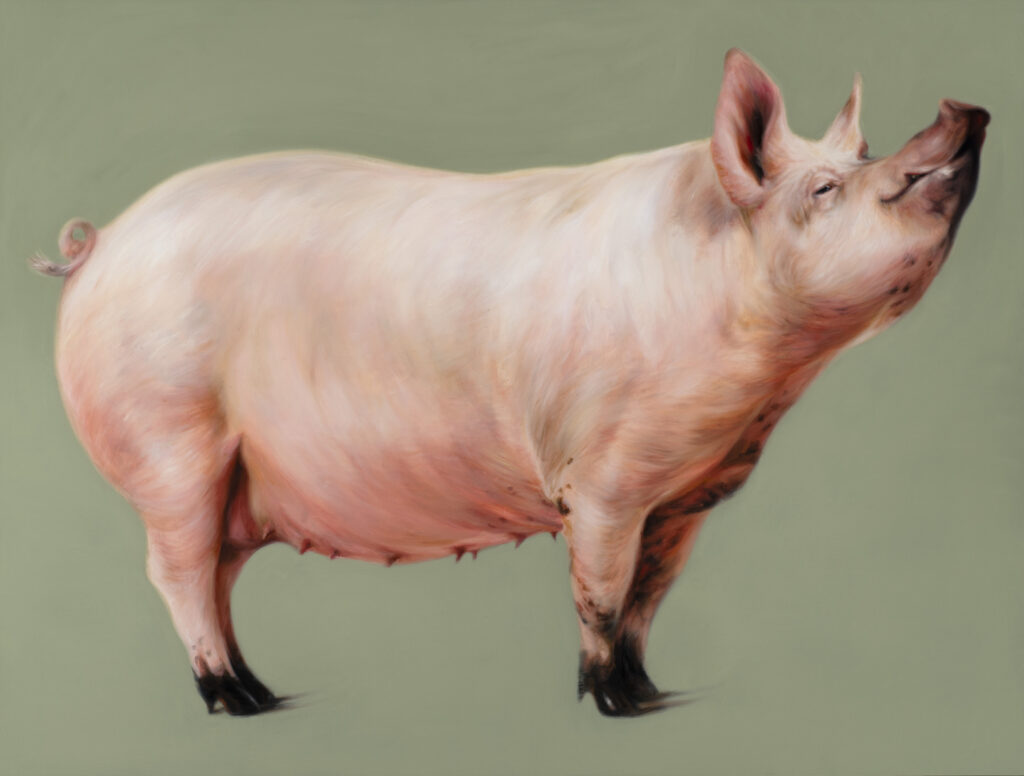
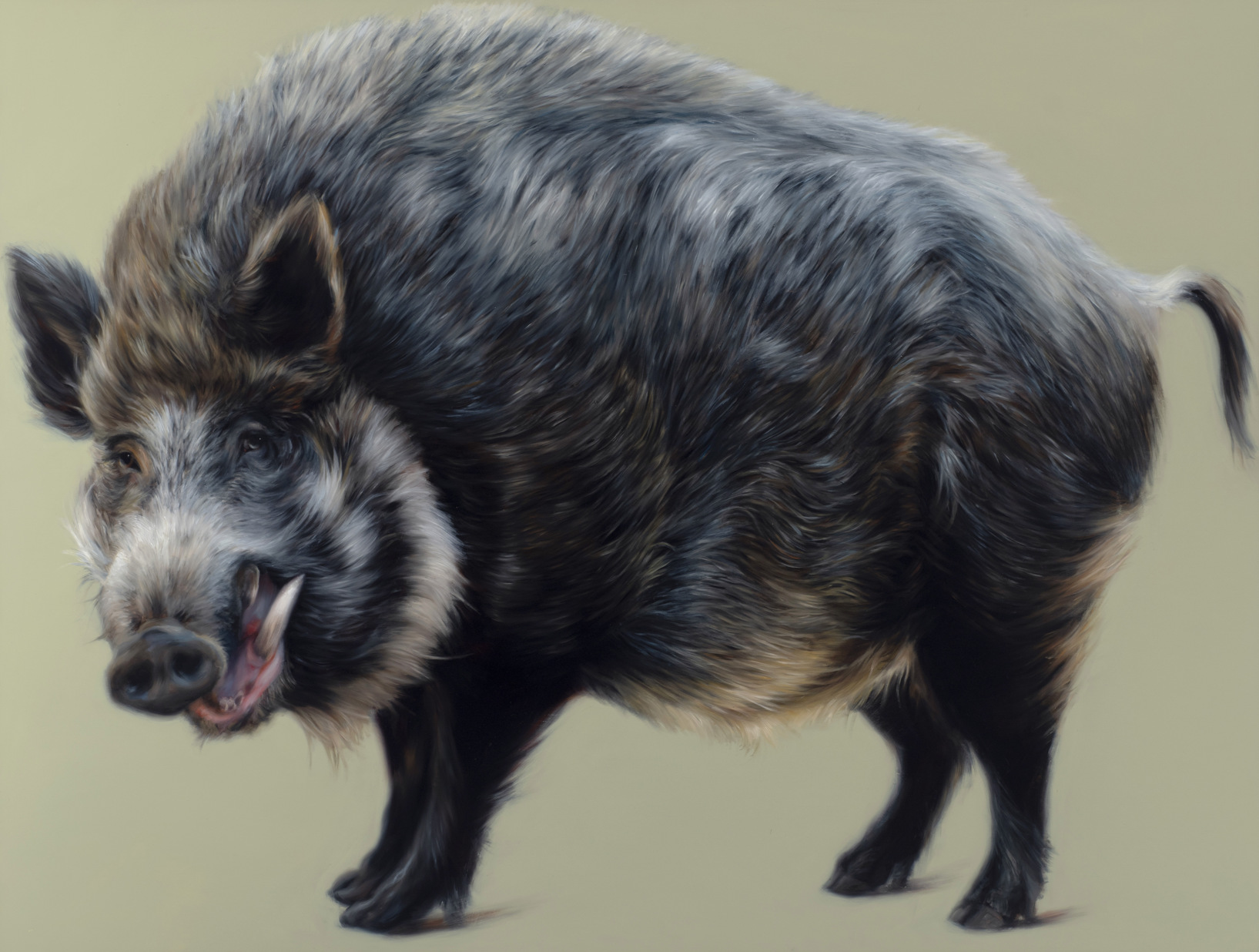
Glücksschwein
2026
Oil on panel
133 × 163 cm
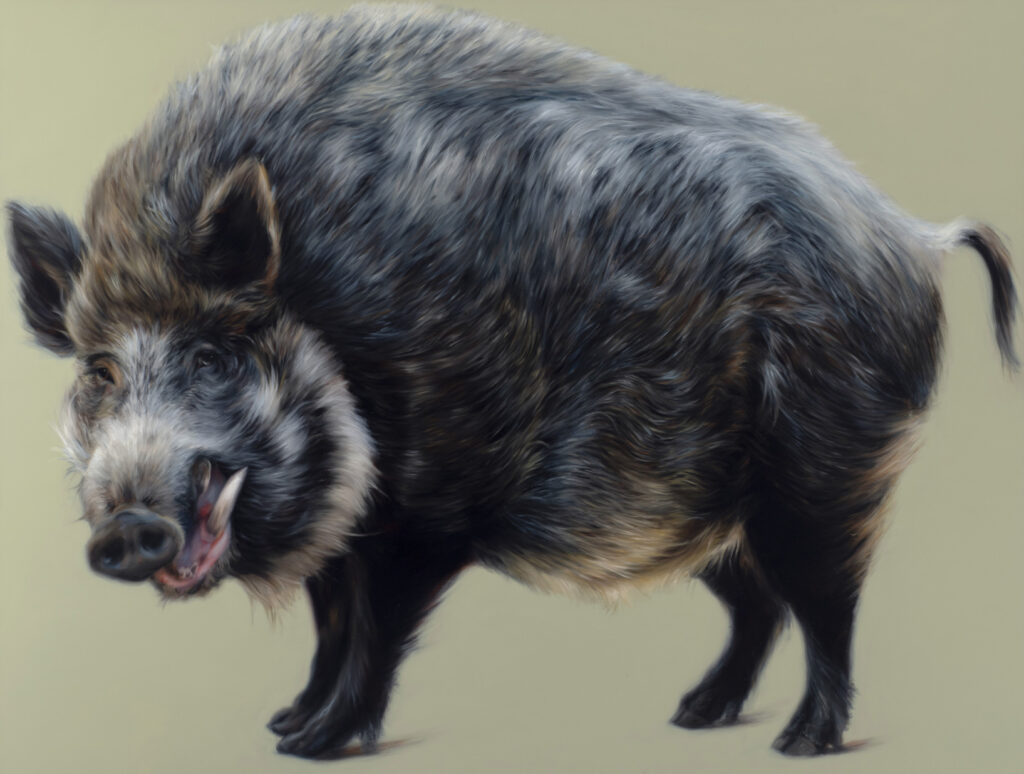
Fief
2026
Oil on panel
133 × 163 cm
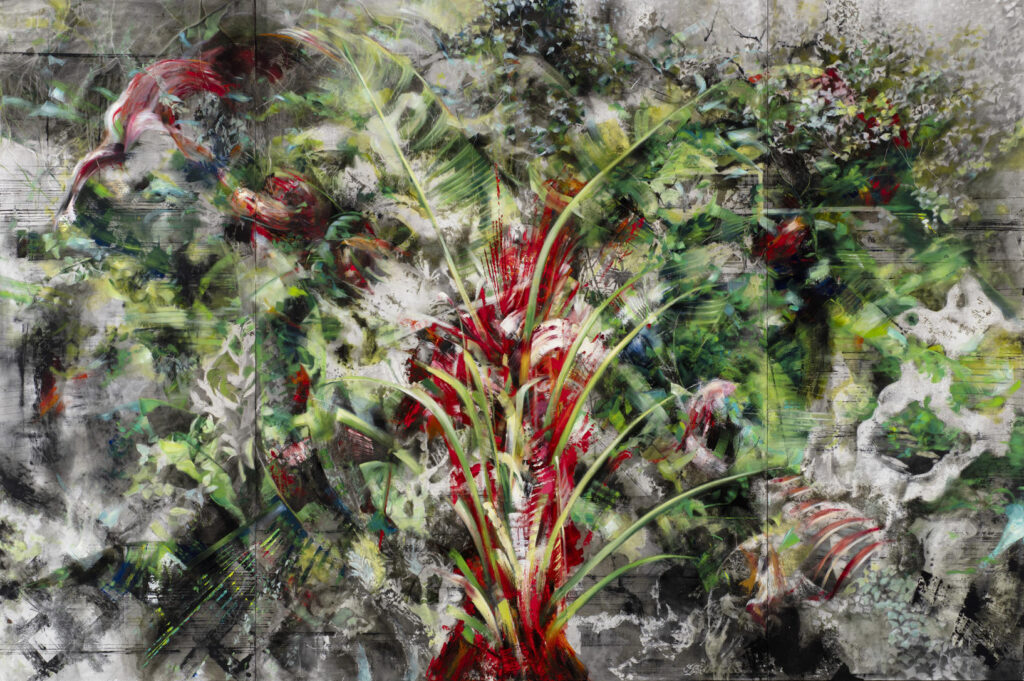
Registration
2026
pastel, India ink, printing ink and oil paint on paper laid on aluminum
204 × 304 cm
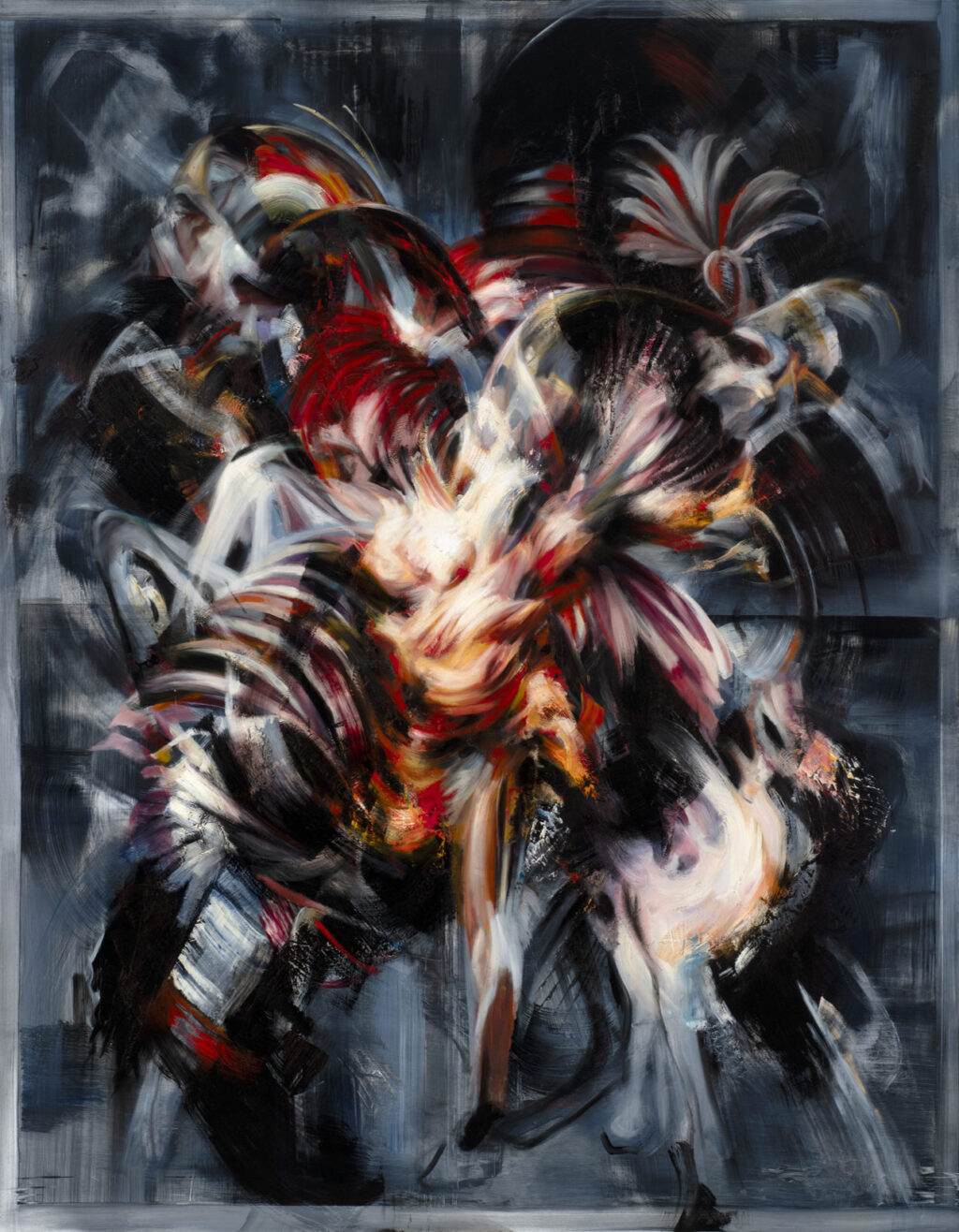
Hack
2026
Oil on panel
183 × 143 cm
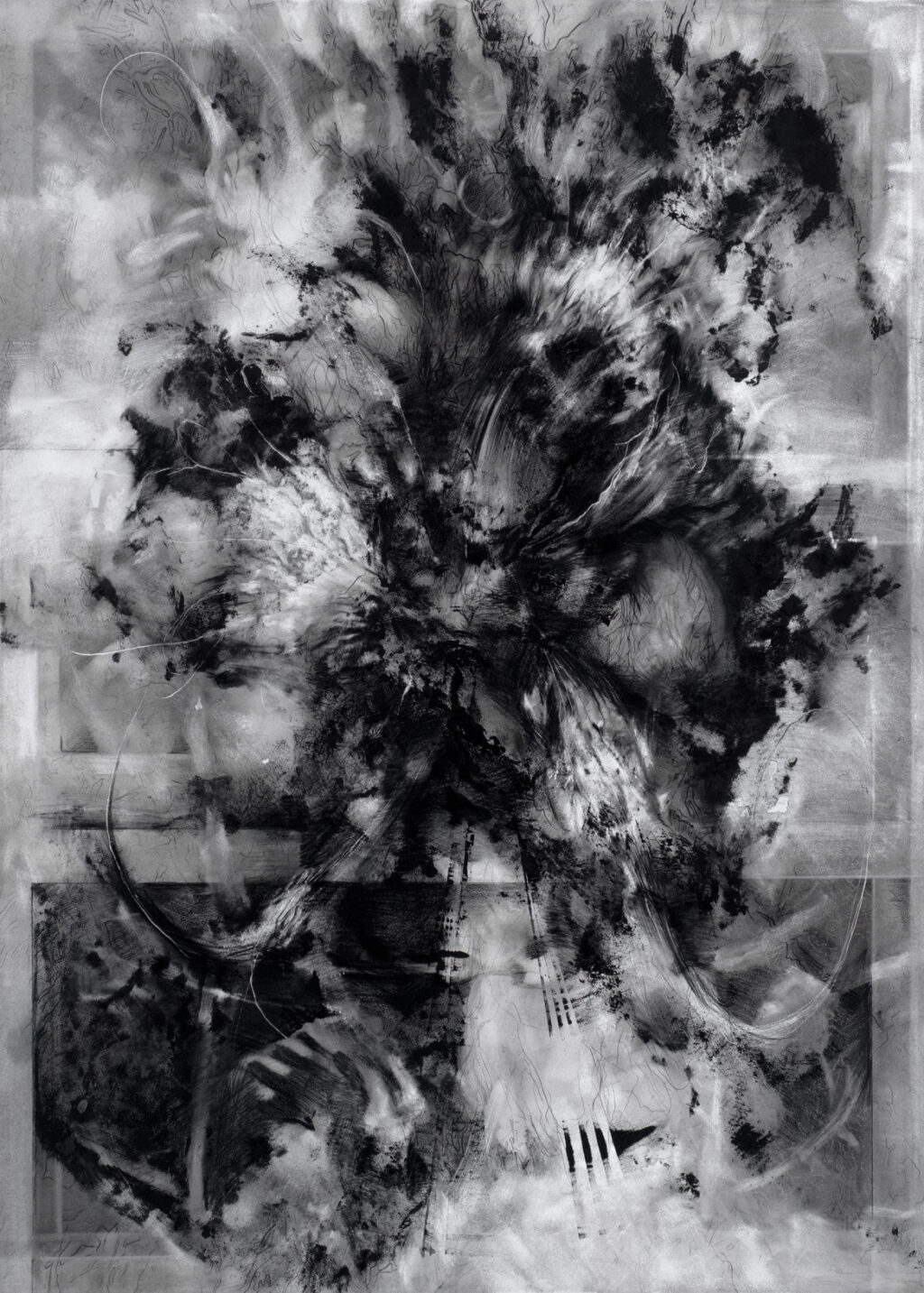
Getafix
2026
India ink, printing ink, pastel and power tools on paper laid on aluminum
193 × 141 cm
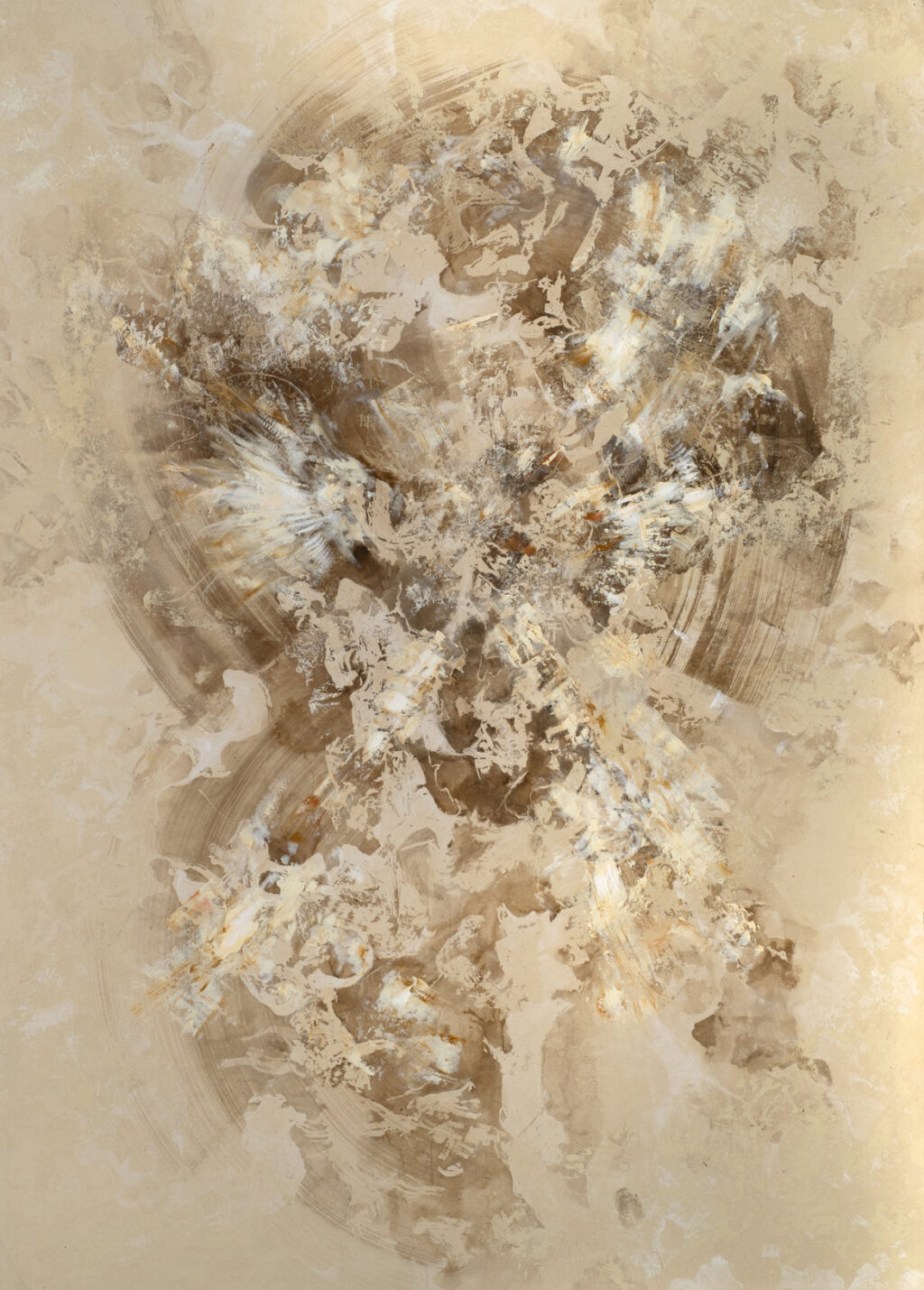
Confluence
2026
India ink, printing ink, oil paint and power tools on paper laid on aluminum
193 × 141 cm
 Show more works
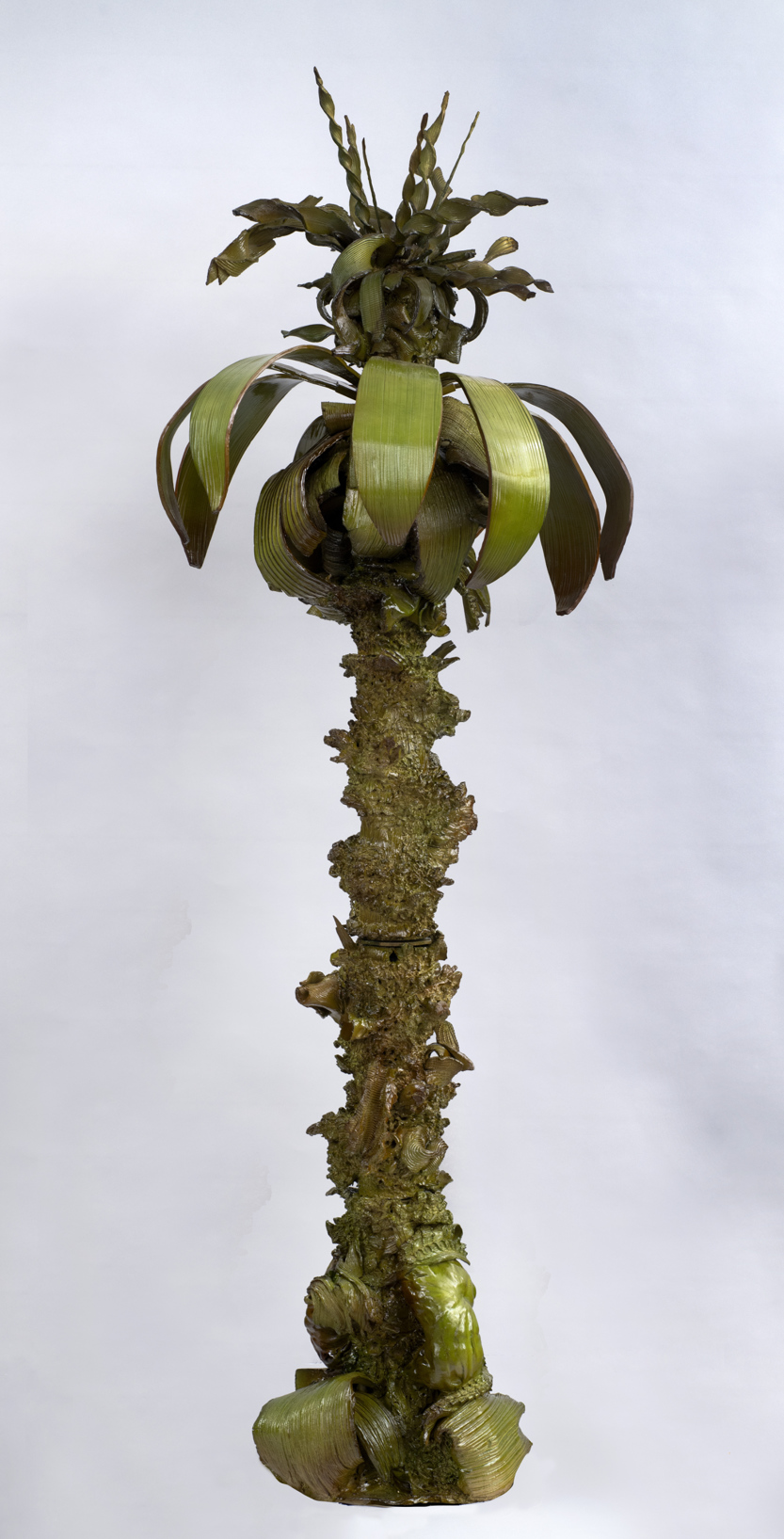
Votive
2026
Ceramic
210 × 70 × 70 cm
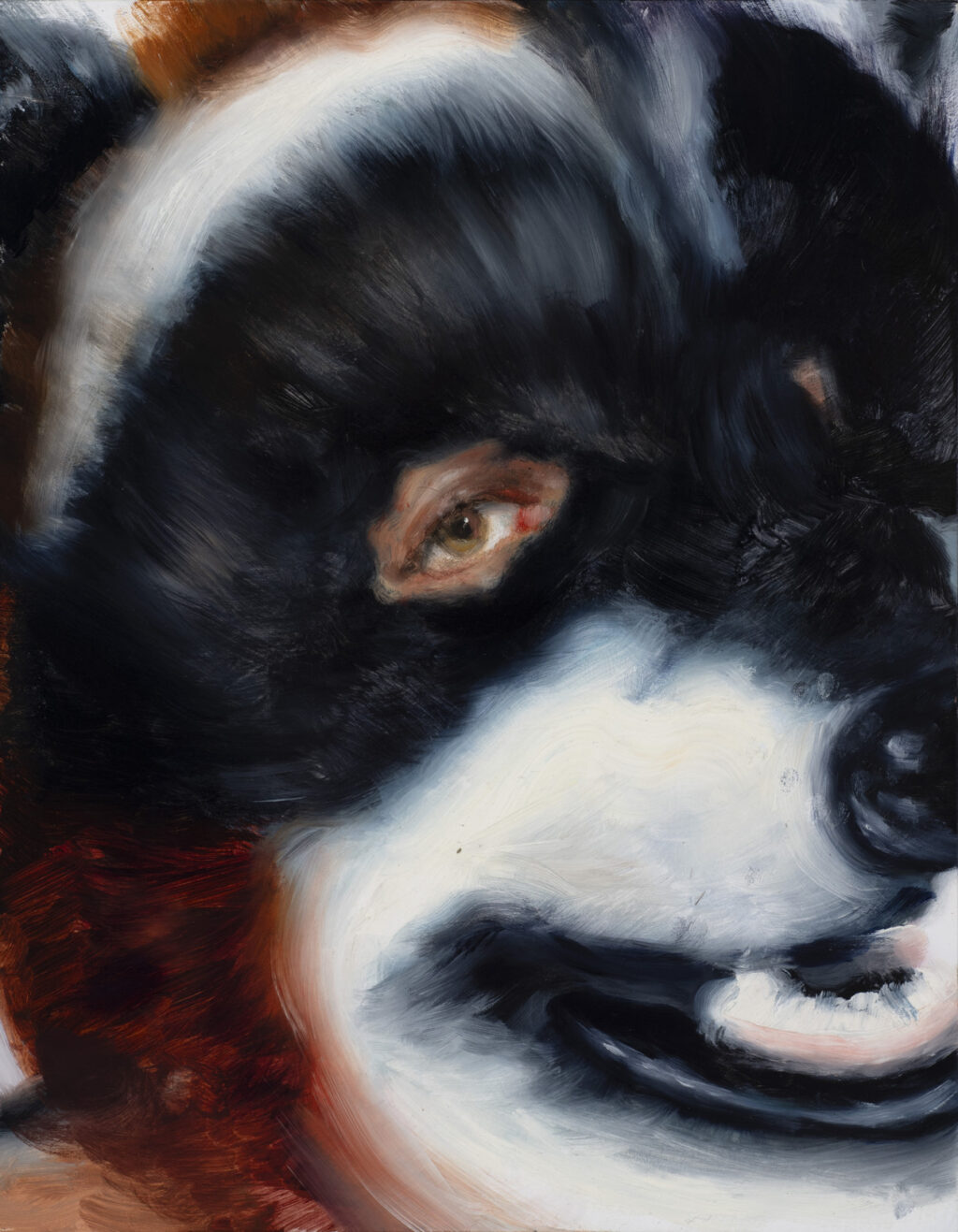
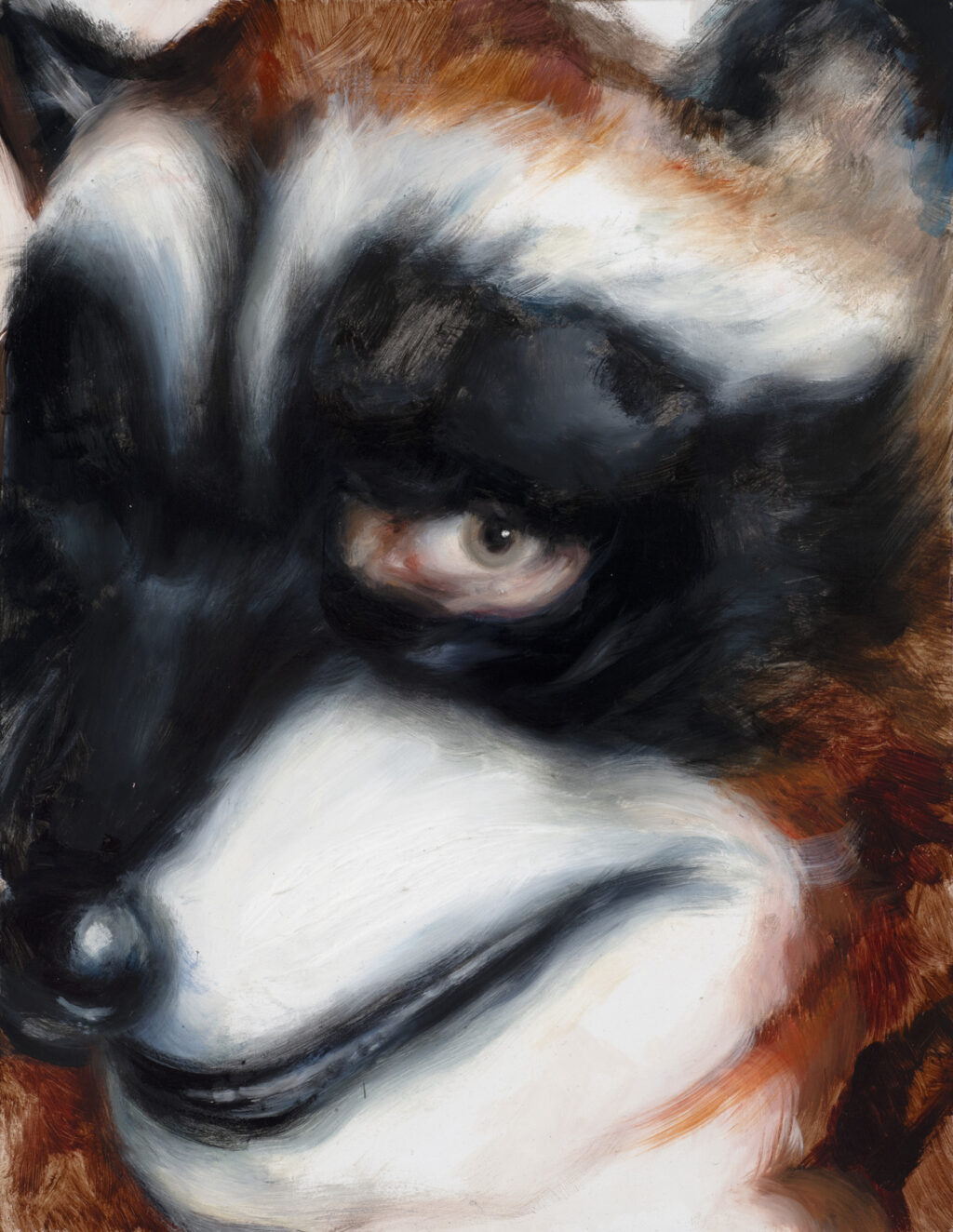
Furry 1 (Suggested for You)
2026
Oil on panel
29 × 23 cm
Furry 2 (Suggested for You)
2026
Oil on panel
29 × 23 cm
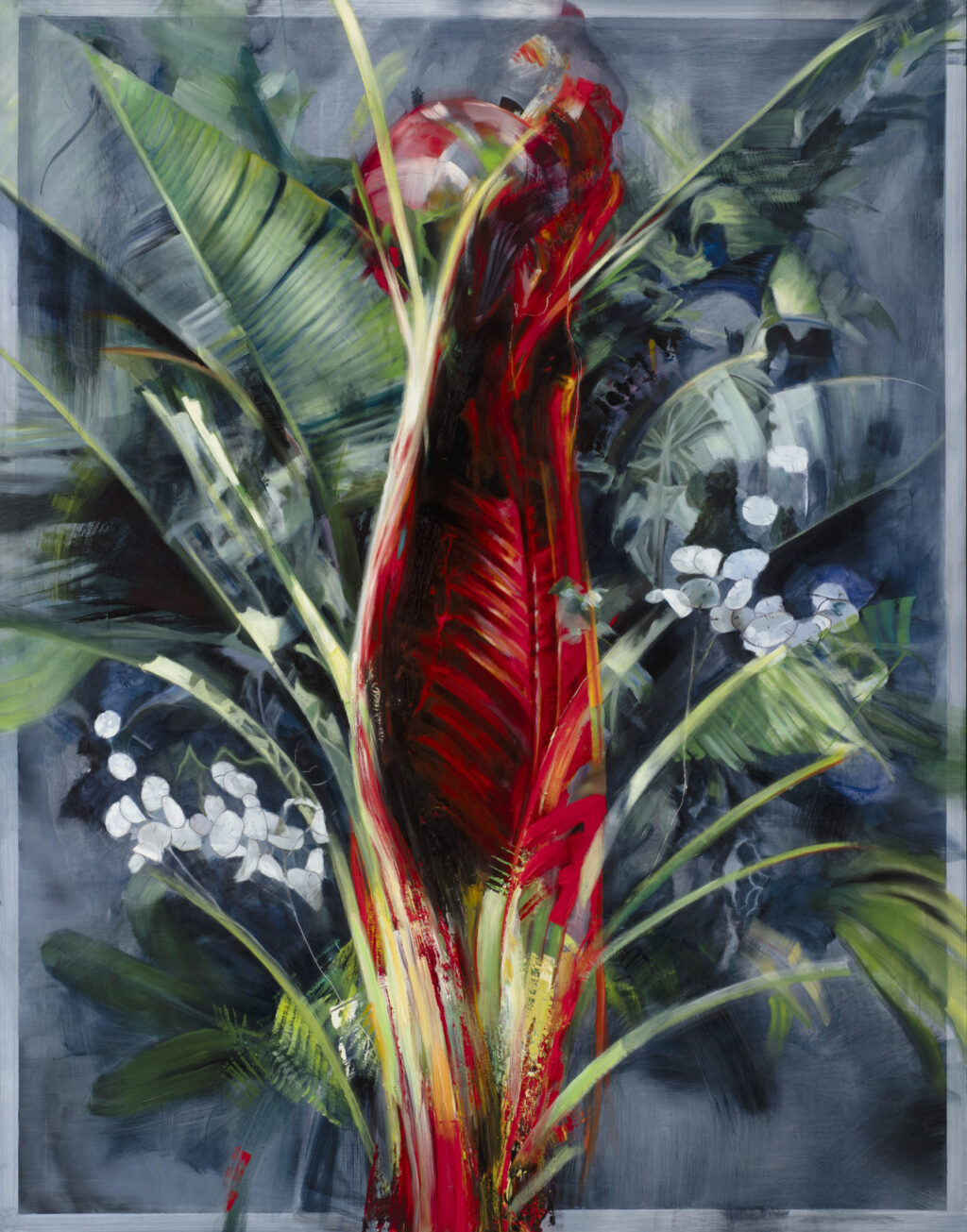
Brick
2026
Oil on panel
183 × 143 cm
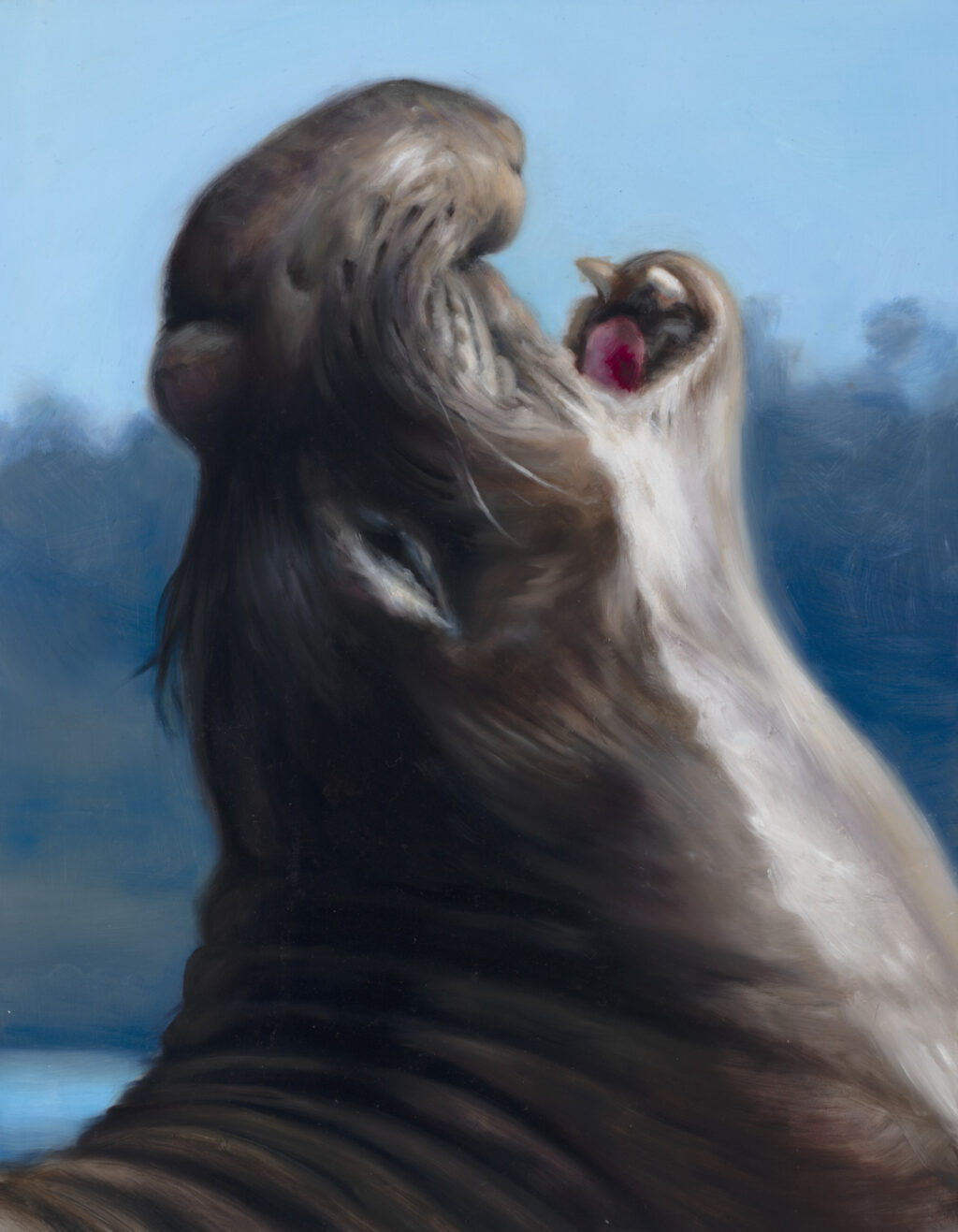
Niel (Suggested for You)
2026
Oil on panel
55 × 43 cm
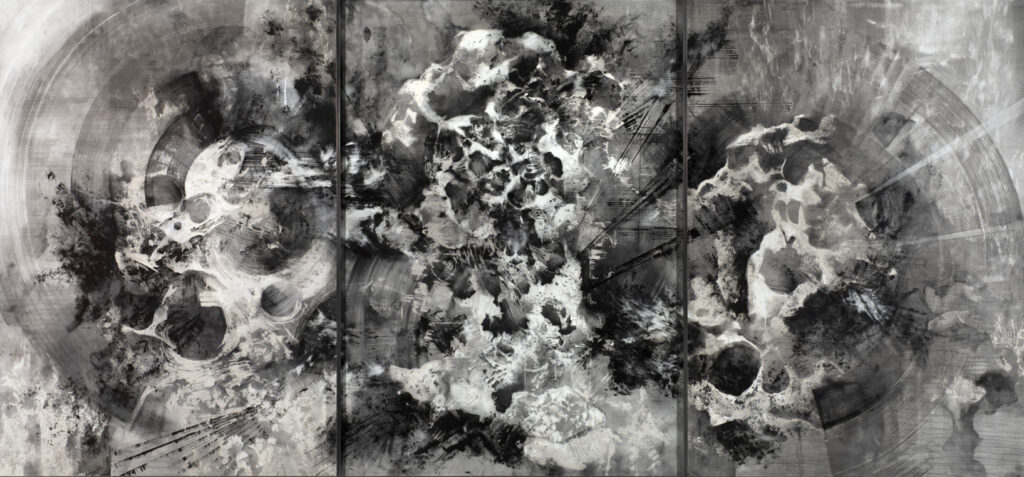
Dogmatix (three panels)
2026
charcoal, India ink, printing ink, pastel and power tools on paper laid on aluminum
202 × 439 cm
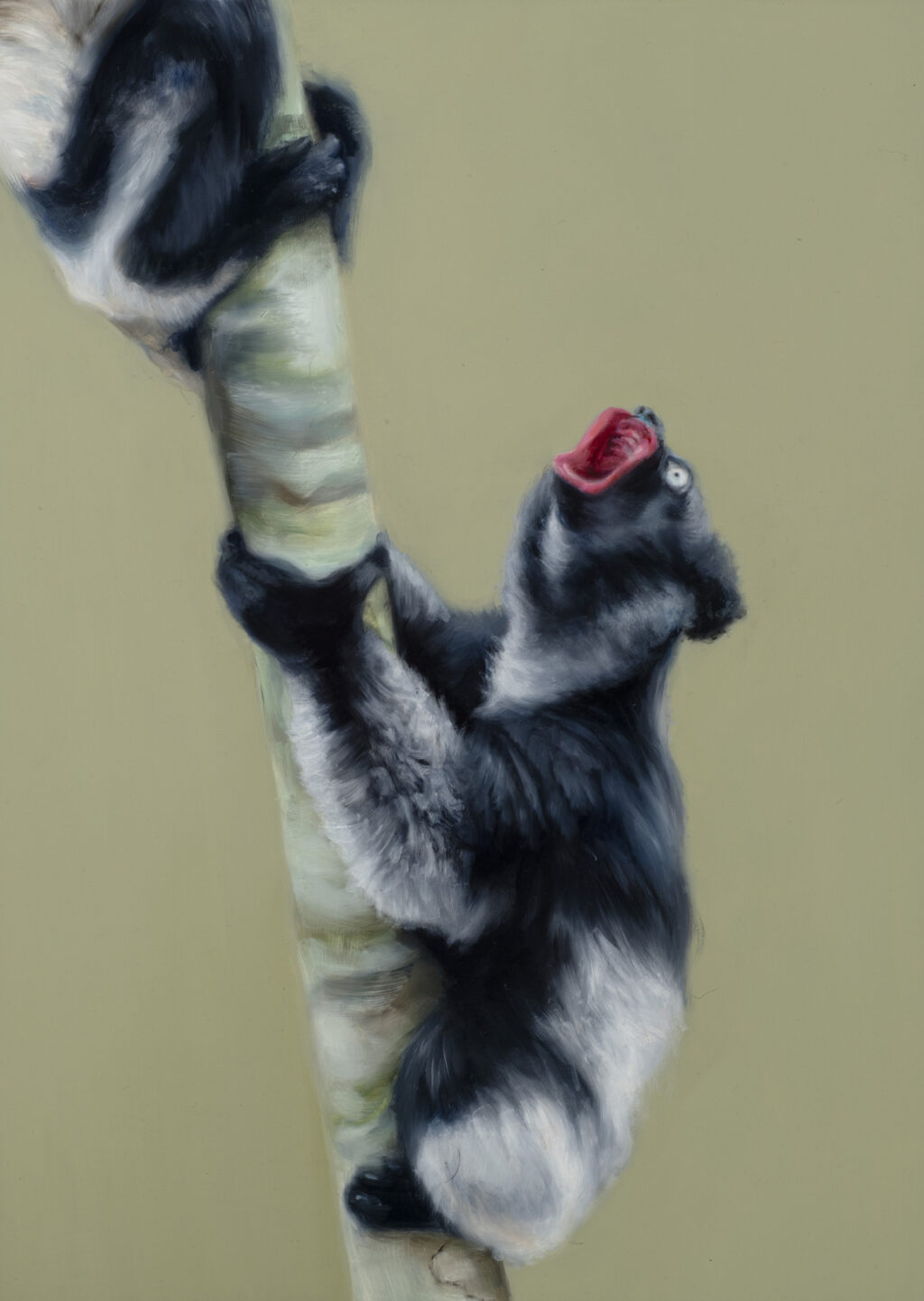
Doll (Suggested for You)
2026
Oil on panel
72 × 52 cm
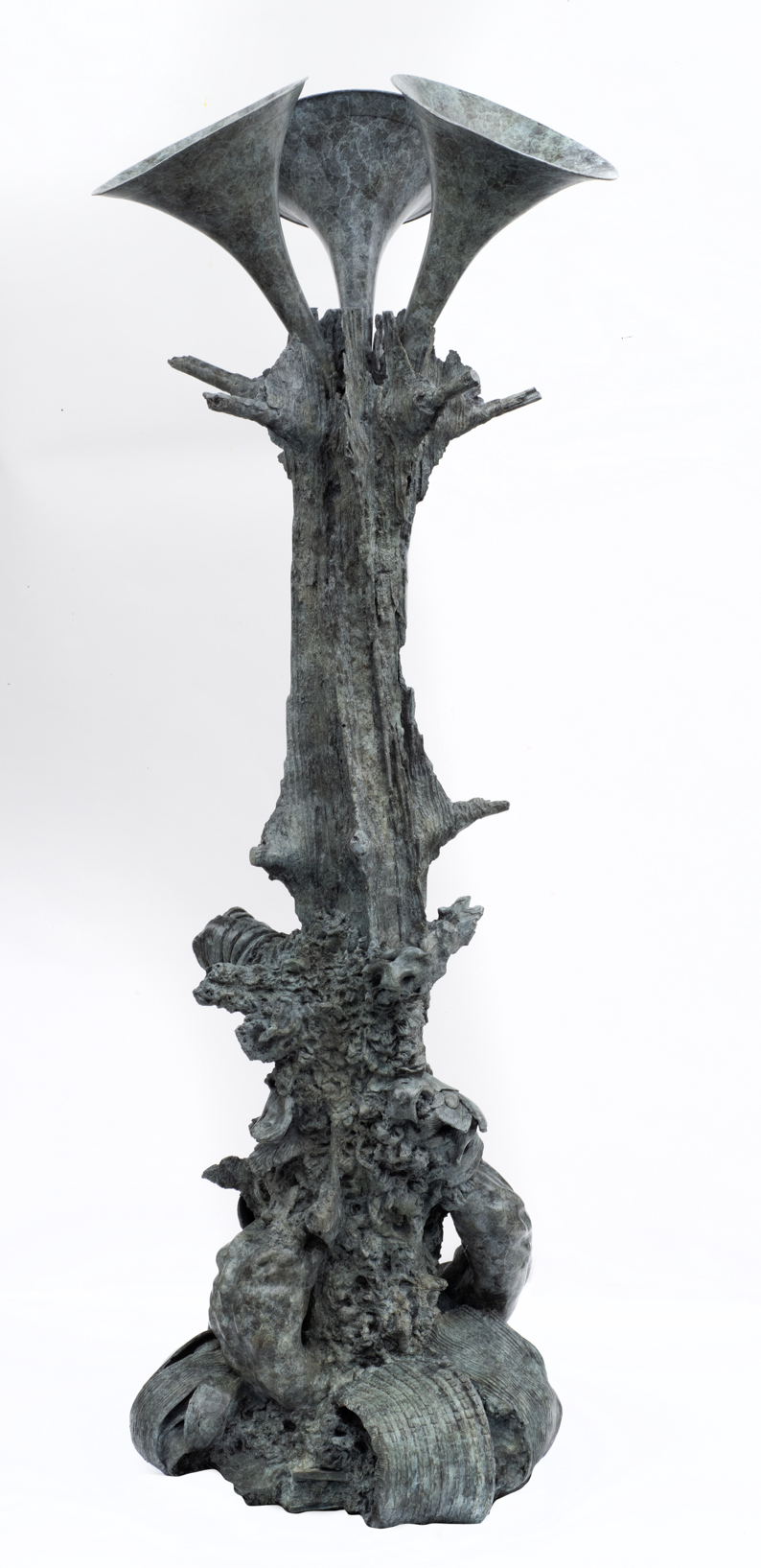
Spinoza
2026
Bronze cast
150 × 50 × 50 cm
Edition of 3 (1/3) + 1 AP
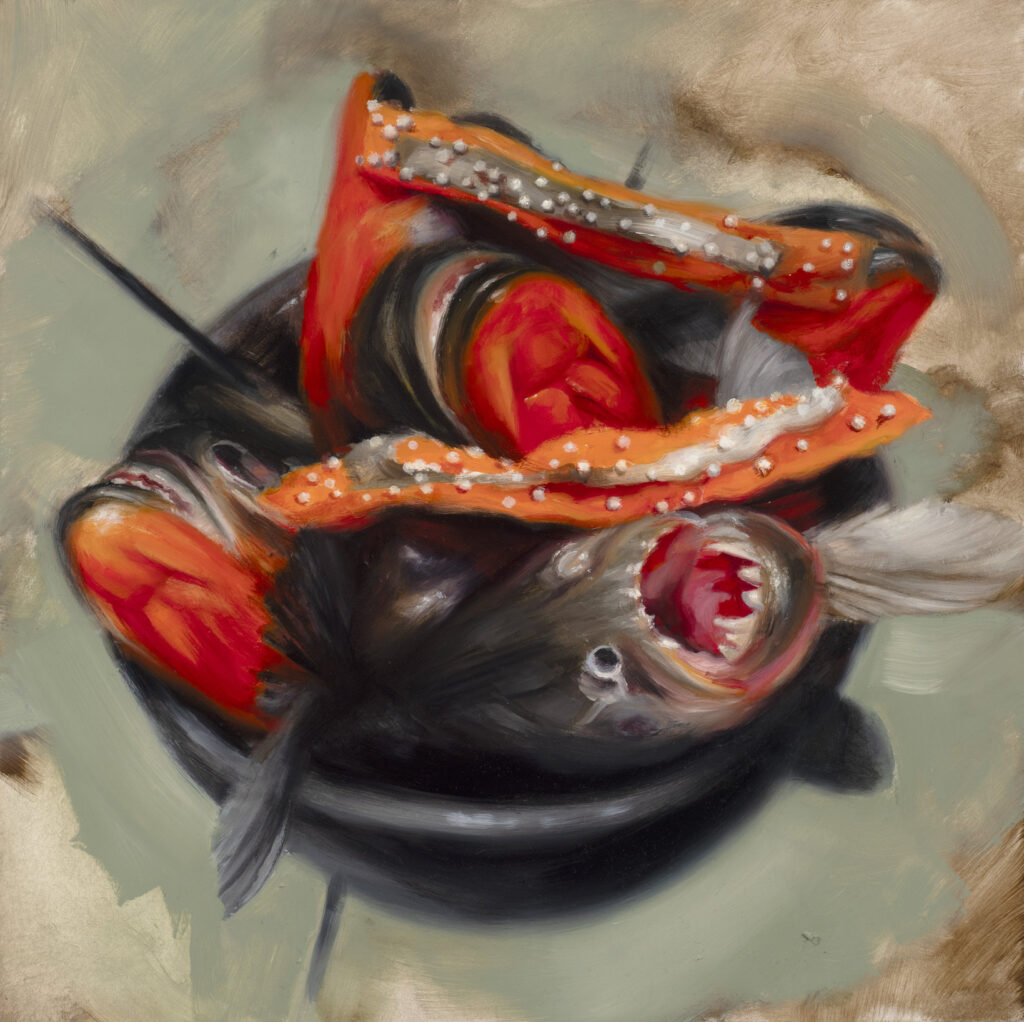
Fishbowl (Suggested for You)
2026
Oil on panel
42 × 42 cm
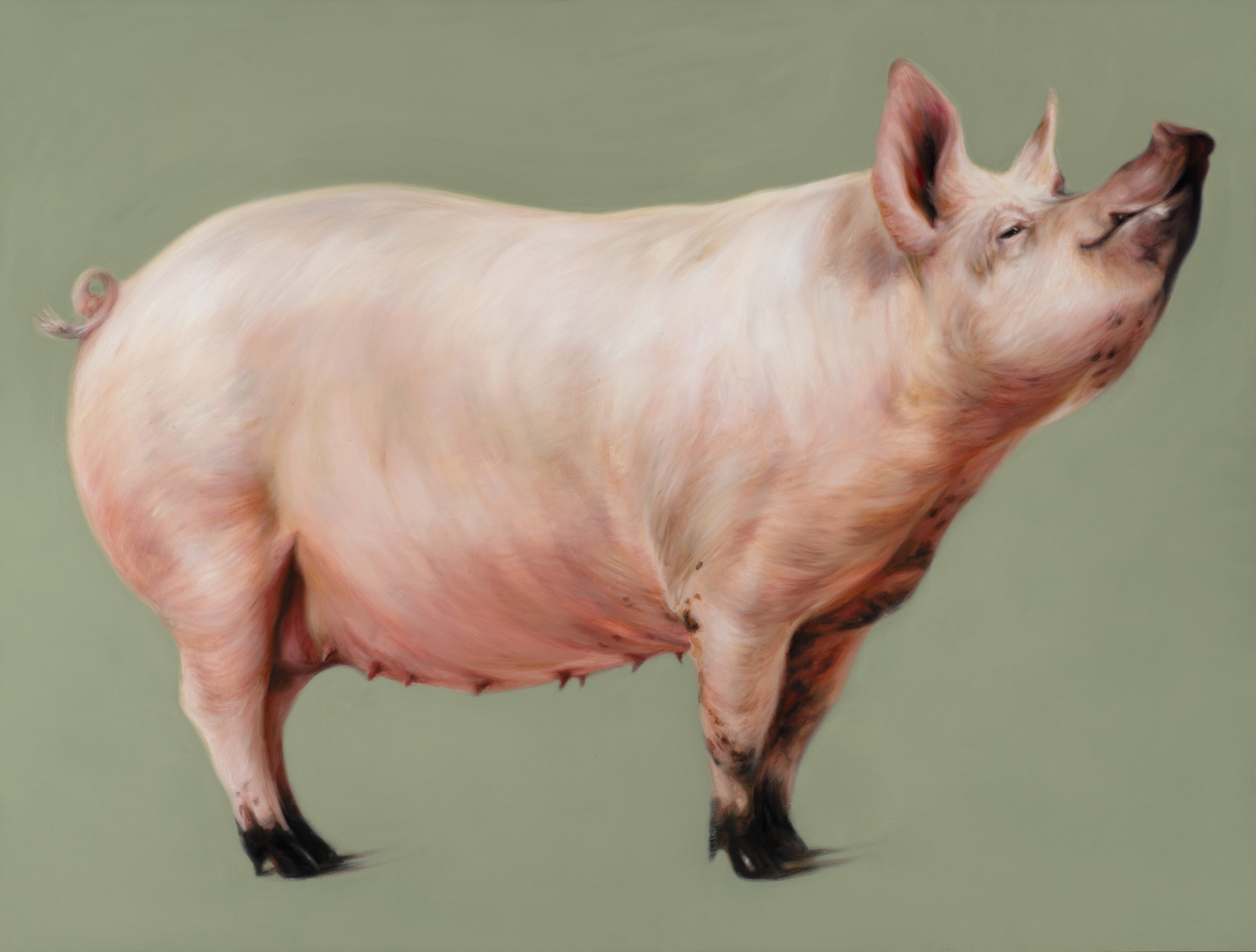
Glücksschwein 2026 Oil on panel 133 × 163 cm
Fief 2026 Oil on panel 133 × 163 cm
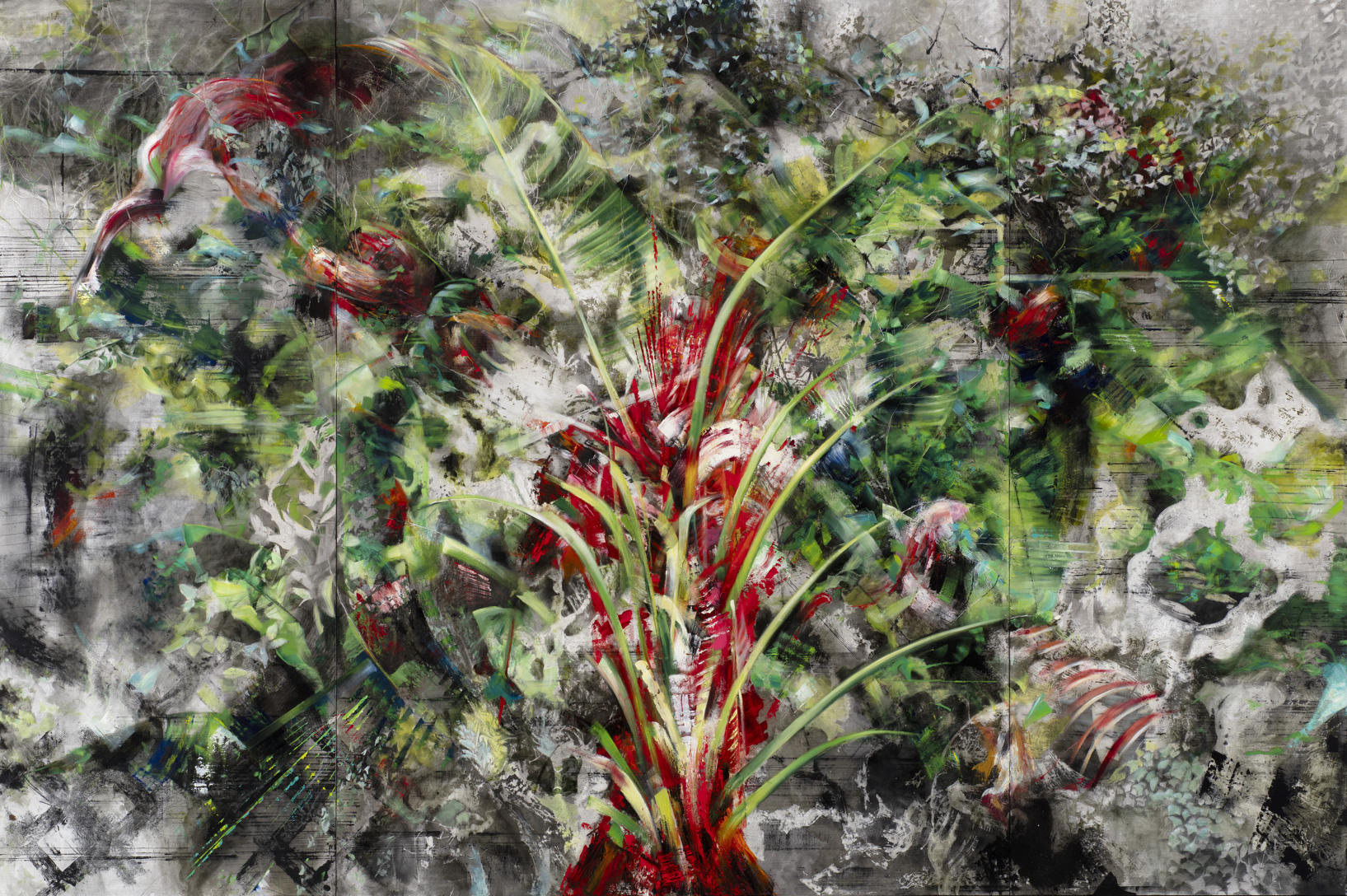
Registration 2026 pastel, India ink, printing ink and oil paint on paper laid on aluminum 204 × 304 cm
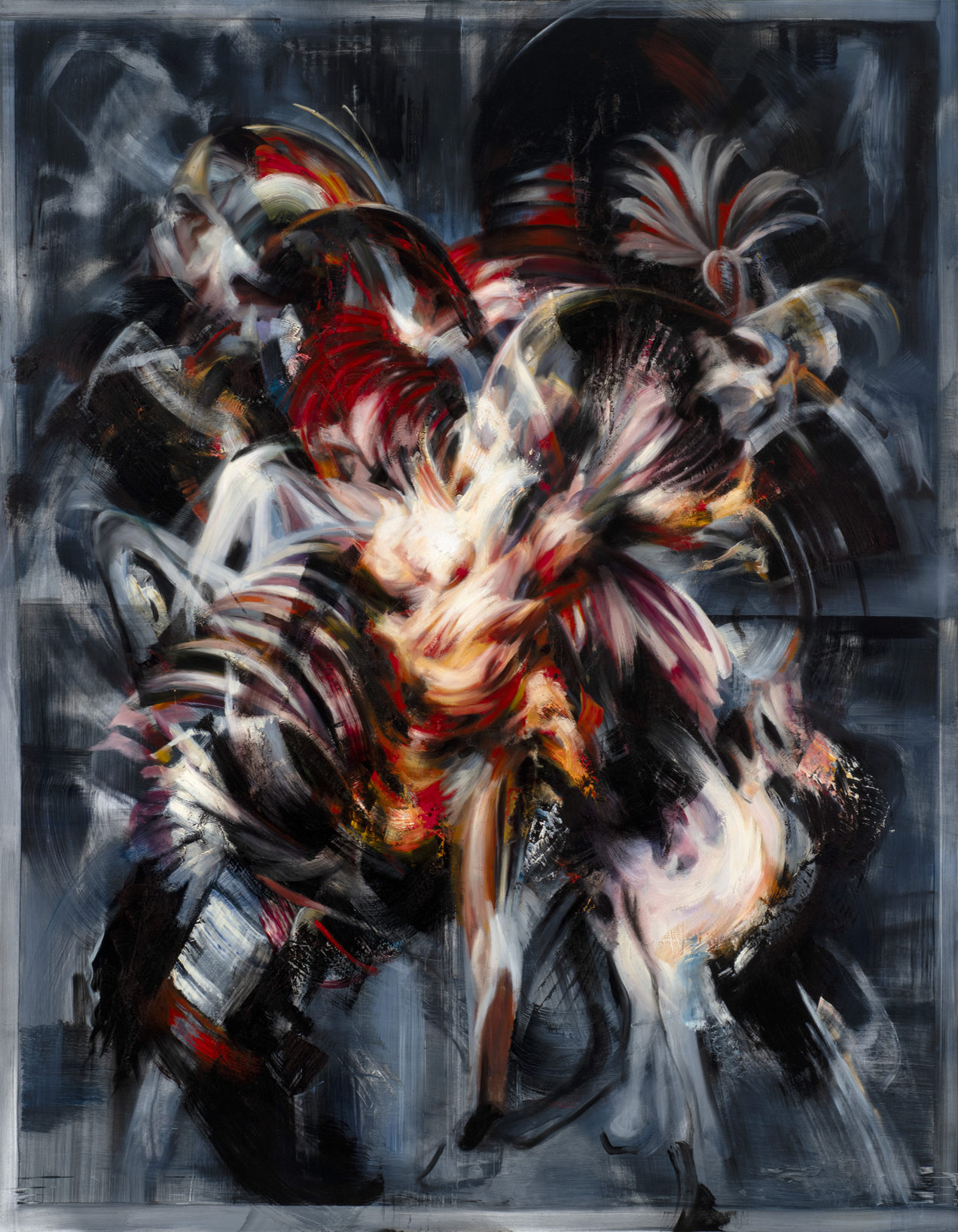
Hack 2026 Oil on panel 183 × 143 cm
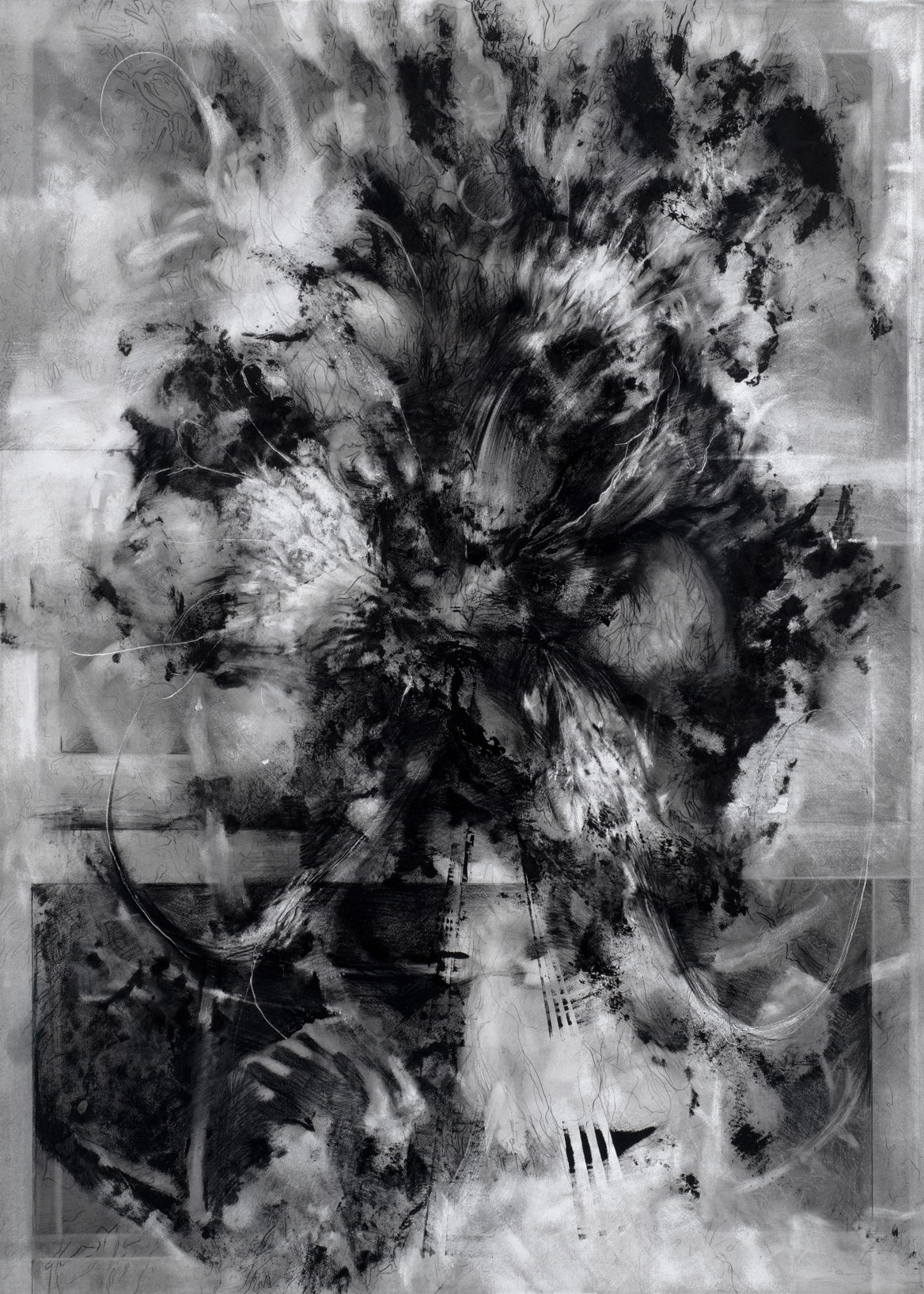
Getafix 2026 India ink, printing ink, pastel and power tools on paper laid on aluminum 193 × 141 cm
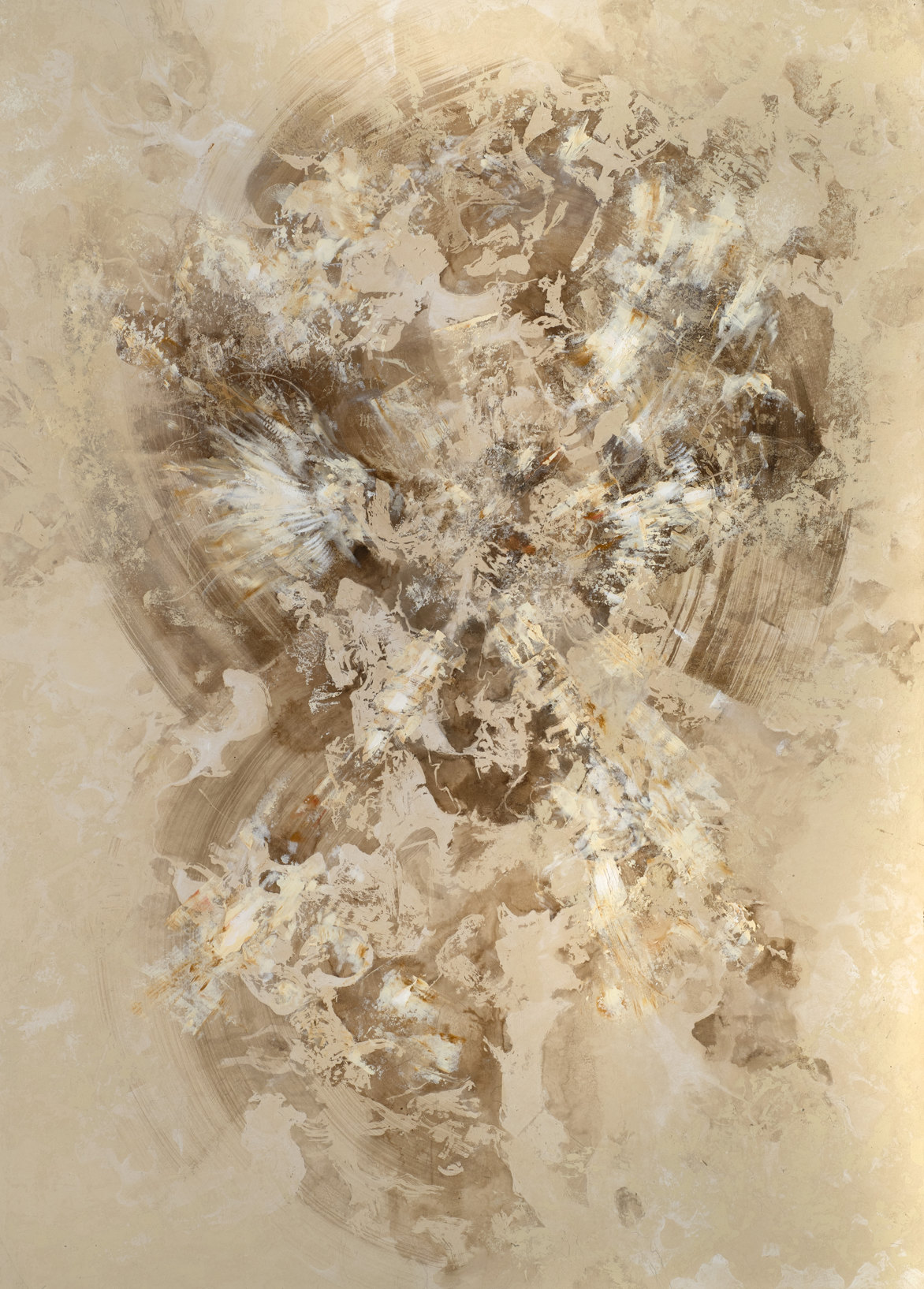
Confluence 2026 India ink, printing ink, oil paint and power tools on paper laid on aluminum 193 × 141 cm
Votive 2026 Ceramic 210 × 70 × 70 cm
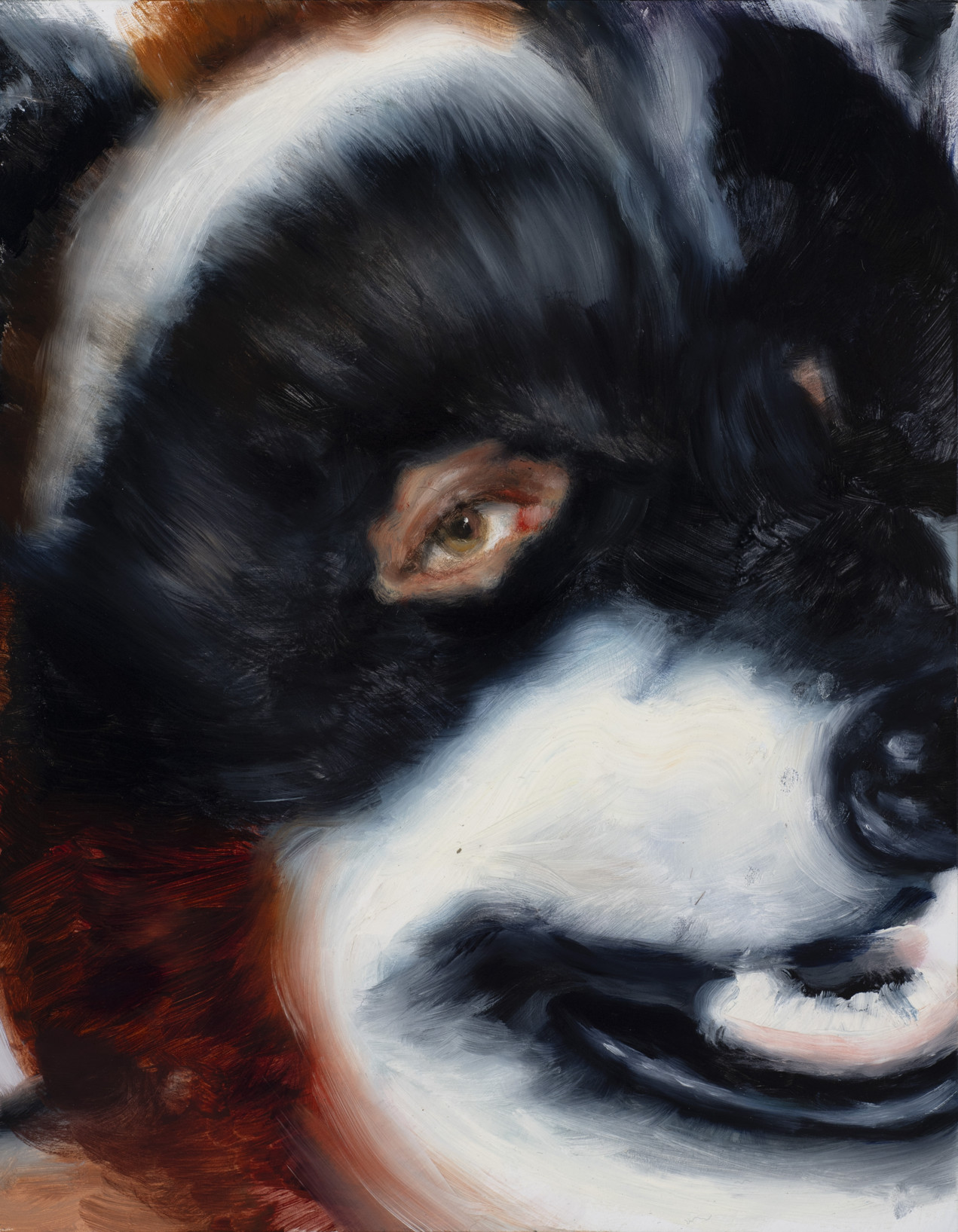
Furry 1 (Suggested for You) 2026 Oil on panel 29 × 23 cm
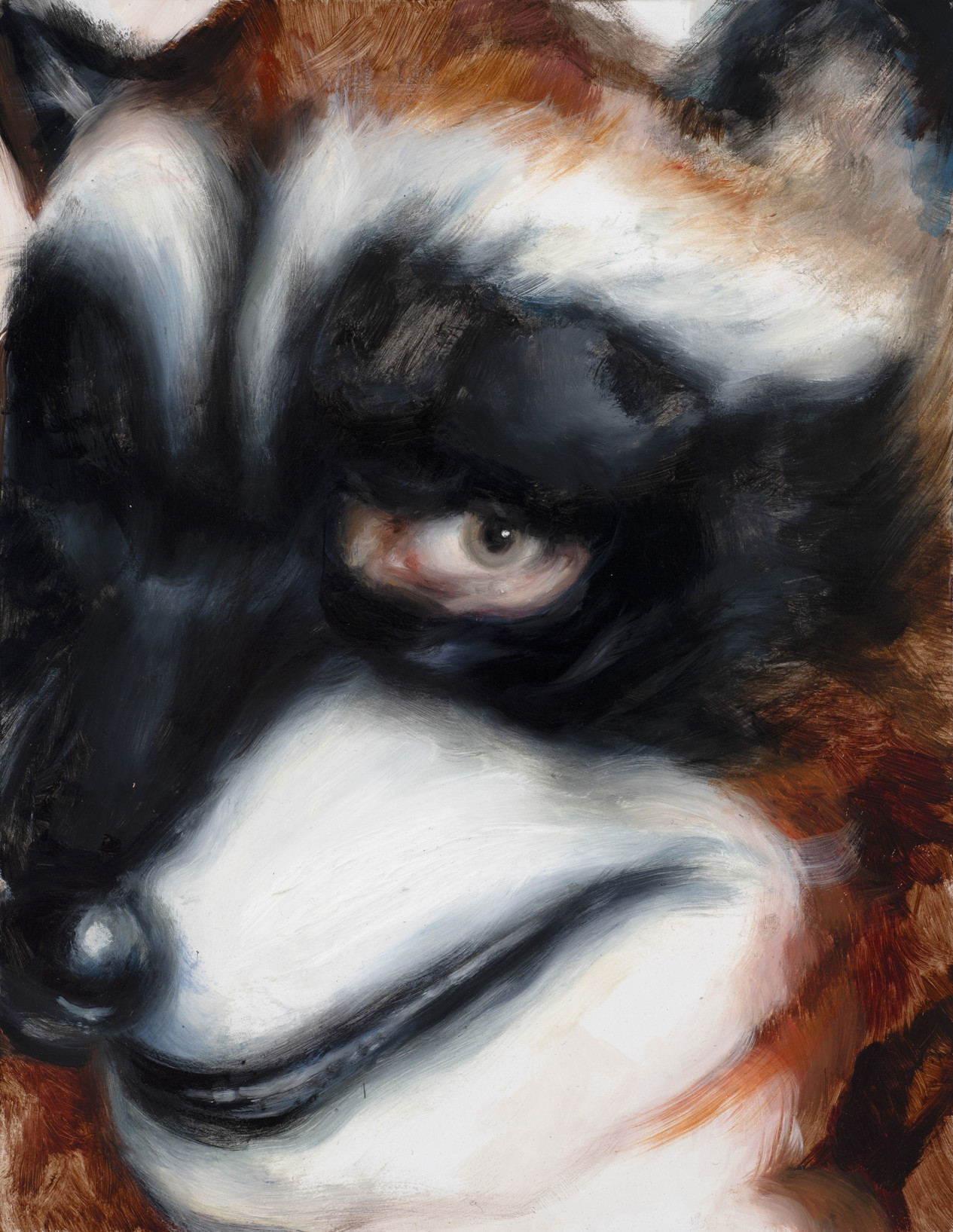
Furry 2 (Suggested for You) 2026 Oil on panel 29 × 23 cm
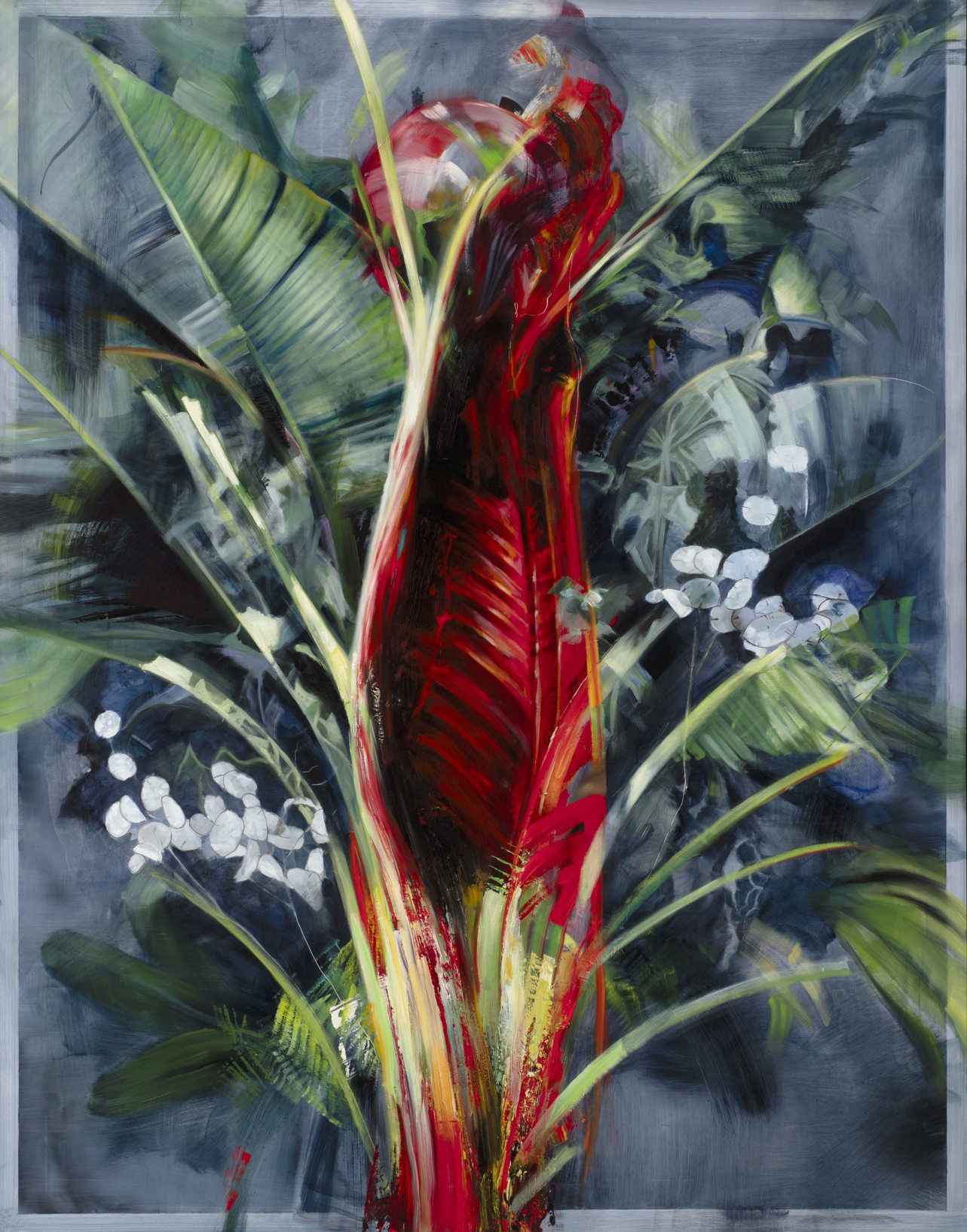
Brick 2026 Oil on panel 183 × 143 cm
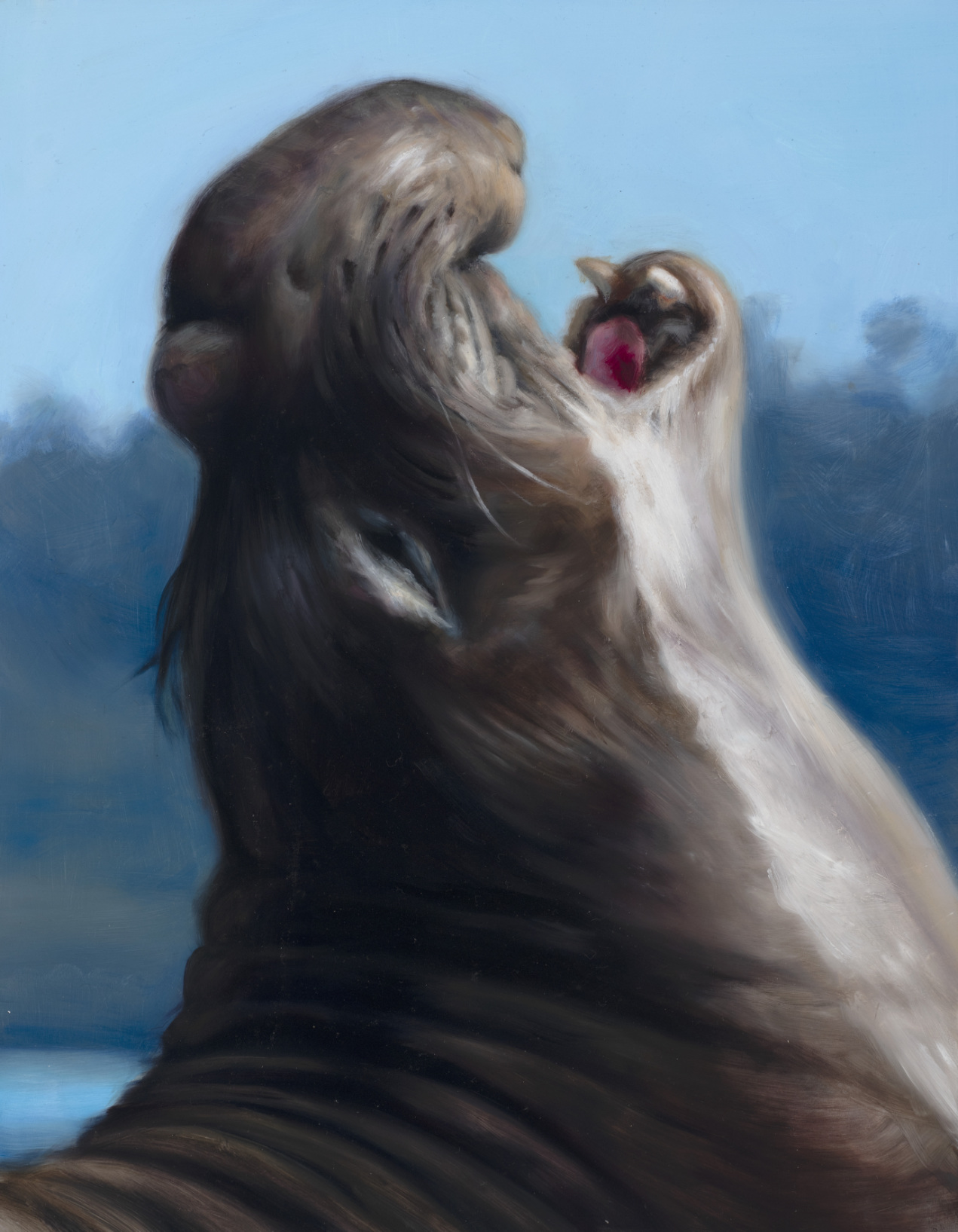
Niel (Suggested for You) 2026 Oil on panel 55 × 43 cm
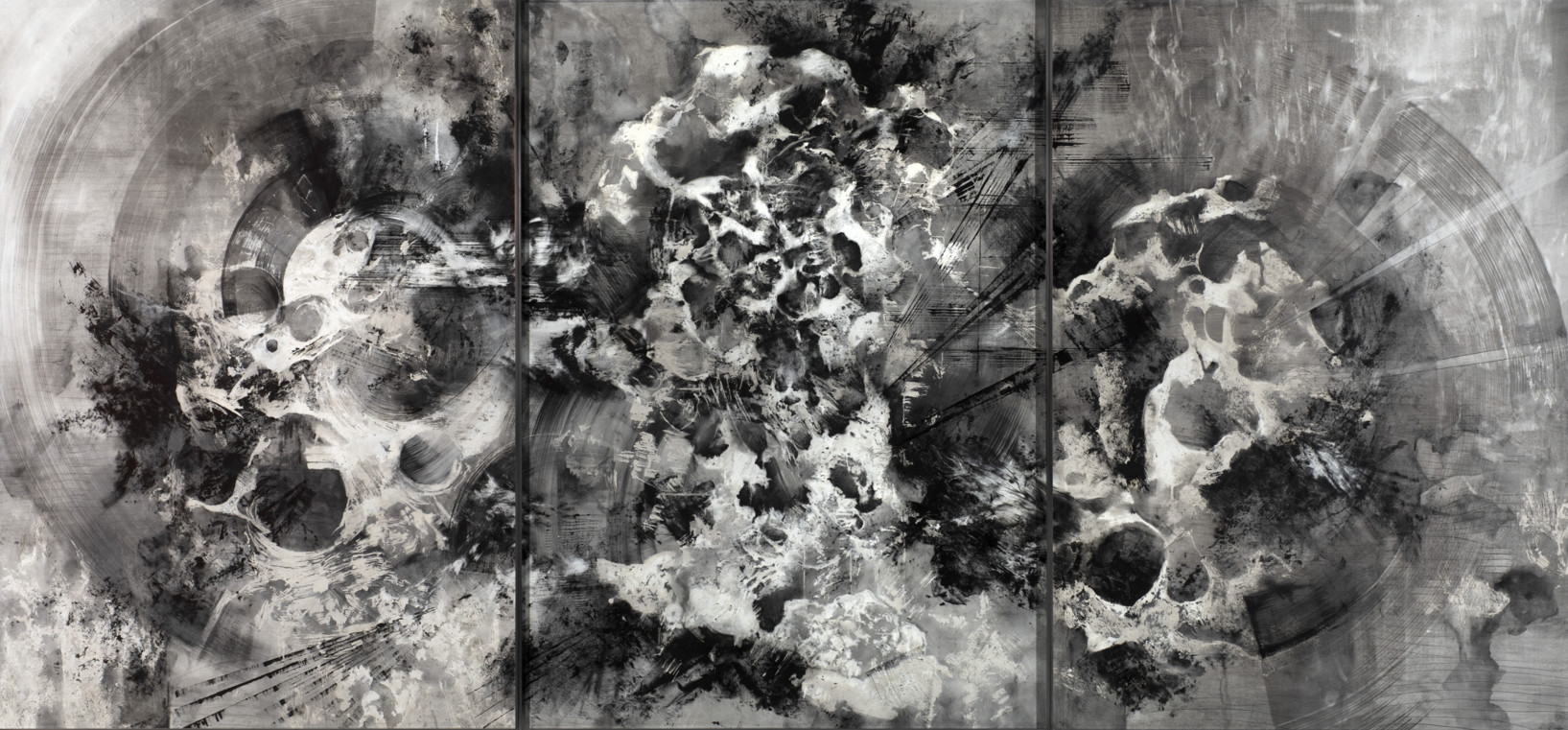
Dogmatix (three panels) 2026 charcoal, India ink, printing ink, pastel and power tools on paper laid on aluminum 202 × 439 cm
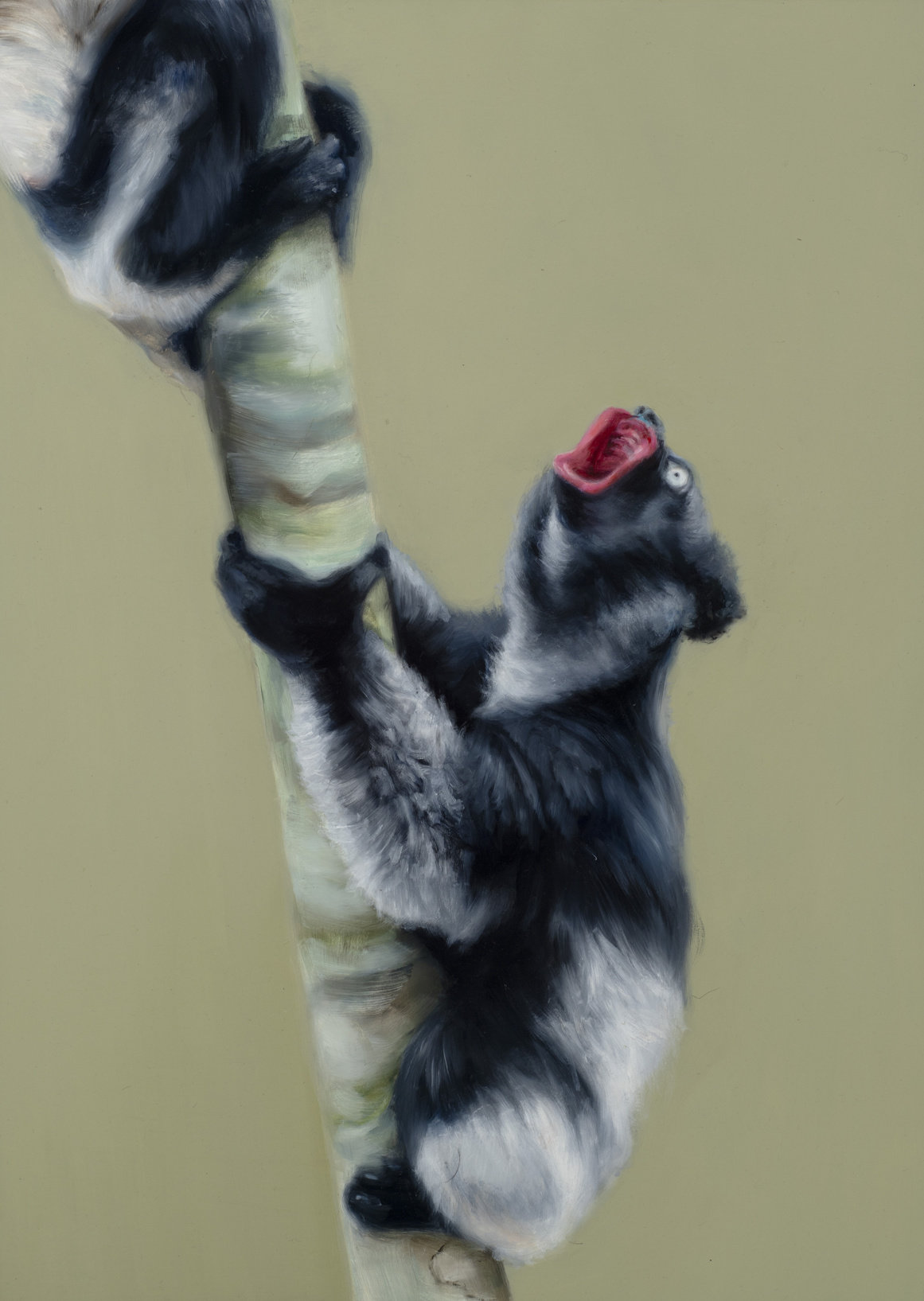
Doll (Suggested for You) 2026 Oil on panel 72 × 52 cm
Spinoza 2026 Bronze cast 150 × 50 × 50 cm Edition of 3 (1/3) + 1 AP
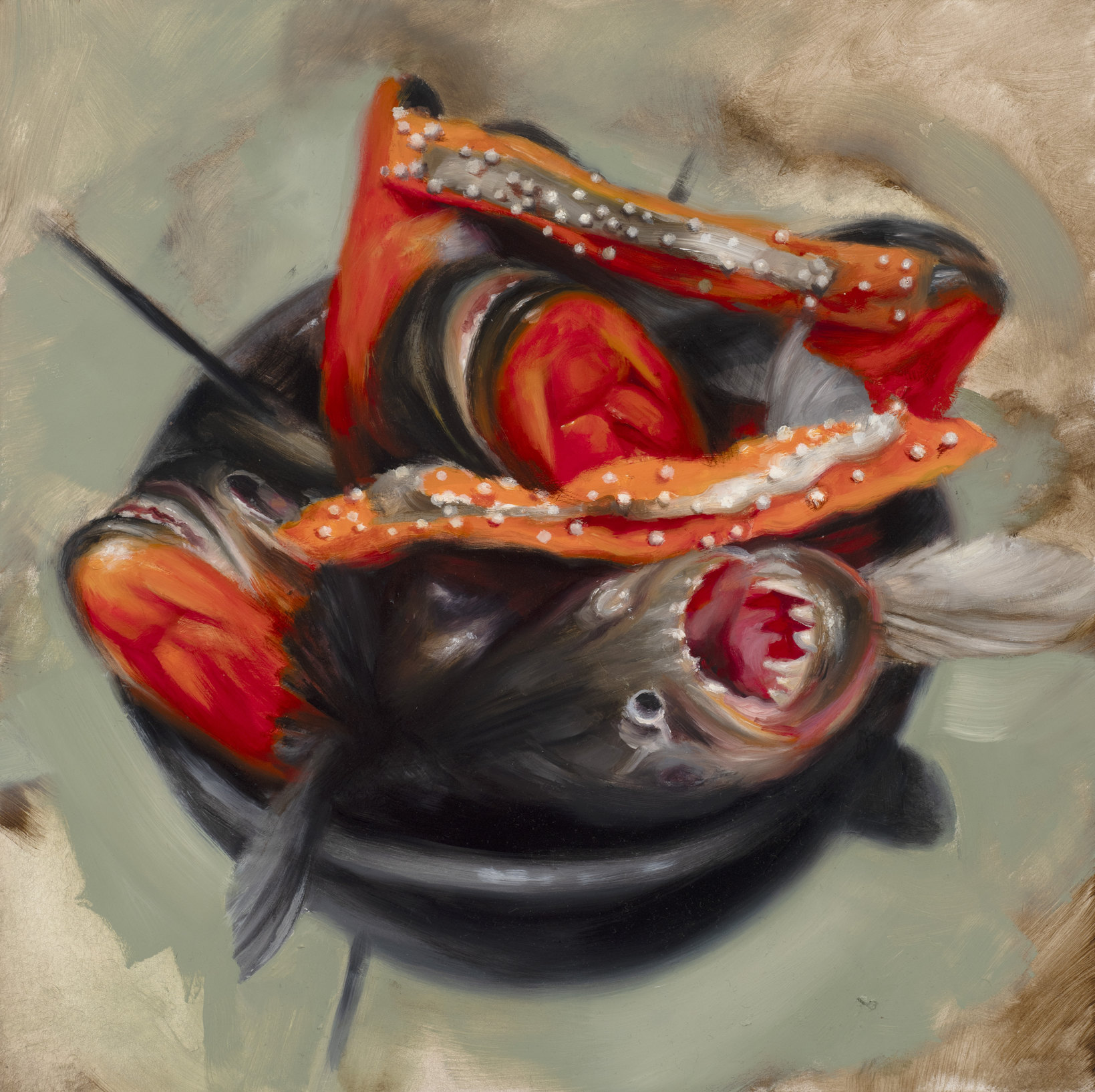
Fishbowl (Suggested for You) 2026 Oil on panel 42 × 42 cm


Text
Galerie Judin is pleased to present The Unclean Slate, its fourth exhibition with British artist Hugo Wilson and his first at the gallery’s converted mid-century gas station.
At first glance, the works brought together here appear to resist a common denominator. Vast, amorphous formations surge across Wilson’s abstract paintings and drawings, accumulating in clouds, eruptions, and dense fields of graphite and ink. Elsewhere, animals emerge in meticulous, almost Old Masterly detail: a pig gazes contentedly into the distance; a wild boar confronts us with a disquietingly perky stare; two monkeys are caught in rambunctious play; piranhas are served up as an exotic delicacy. Stranger still are two furry, vaguely vulpine creatures whose distinctly human eyes reveal them as acts of masquerade.
What connects these seemingly disparate bodies of work is a concern that has preoccupied Wilson for much of his career: our desire for clarity and stable meaning in a world that persistently resists both. Rather than resolving such ambiguities, Wilson’s work asks what it might mean to tolerate them. Closely connected to this is the question of how images acquire meaning in the first place – and who, or what, determines it.
This question is perhaps most apparent in Wilson’s expansive abstract works on paper. Despite their ostensible abstraction, they retain something of the scale and compositional ambition of history painting. Forms gather, collide, and disperse across the pictorial field like protagonists in a narrative the plot of which remains tantalizingly beyond reach. In recent years, these works have become increasingly gestural and materially assertive. Graphite and ink are applied, erased, abraded, smeared, and reworked; the process of constructing the image remains legibly inscribed in its surface. For the first time, Wilson has also created a hybrid in which drawing and oil painting converge – bringing together two media historically associated with conception and execution respectively. Here, too, the work refuses to settle between opposing positions. If these works appear to propose a narrative, they simultaneously expose its construction – and, with it, its inherent instability.
Continue reading
Yet their abstraction is deceptive. Wilson constructs these compositions from an archive of existing images: fragments of Old Master paintings encounter his own photographs and images drawn from contemporary visual culture. Sources are layered, displaced, enlarged, obscured, and collapsed into one another until their original contexts become difficult, if not impossible, to retrieve. Art history is present less as a repertoire of quotations than as sediment.
The exhibition’s figurative works approach the same question from the opposite direction. The small paintings grouped under the title Suggested for You derive from images proposed to Wilson by Instagram’s algorithm. Wilson describes his amazement at “a digital footprint of behavior that is then mirrored with images back to you,” asking whether this constitutes “an image ideology in itself—or the death of such.”
For centuries, institutions and patrons helped establish a hierarchy of subjects and genres: which bodies merited representation, which animals could signify nobility or savagery, which objects might embody wealth, knowledge, faith, or power. Wilson’s creatures knowingly inhabit this history. The wild boar and the domestic pig may be taxonomically close, yet Western visual culture has burdened them with markedly different associations. Today, such inherited codes coexist with a radically different apparatus of selection: the algorithm, which does not so much prescribe an iconography as continuously infer one from us.
Wilson’s sculptures are animated by a related instability. In one of them, Chinese scholar’s rocks collide with the visual requisites of the hunting trophy, producing an unlikely hybrid that promises the trappings of status while refusing any stable symbolic reading. Another sculpture transforms a palm tree into an oddly familiar yet ostentatious domestic object. Natural specimen, cultural artefact, ornament, trophy, status symbol: categories accumulate without ever settling into a single position. For Wilson, this ambiguity also has a political dimension: “Our desire to hold a single position is so tempting, but ultimately impossible without damage.”
This proposition lies at the heart of The Unclean Slate. The title rejects one of modernity’s most persistent fantasies: the possibility of beginning again, uncontaminated by what came before. Art history itself abounds in claims of caesurae, with the new repeatedly announcing itself through the rejection of the old. Wilson serves up something considerably messier. Images never begin from zero. They arrive already inhabited – by other images, conventions, institutions, the history of looking, and increasingly by the technological systems through which they circulate.